Go Back
spring cake designs

Spring Cake Design Recipe

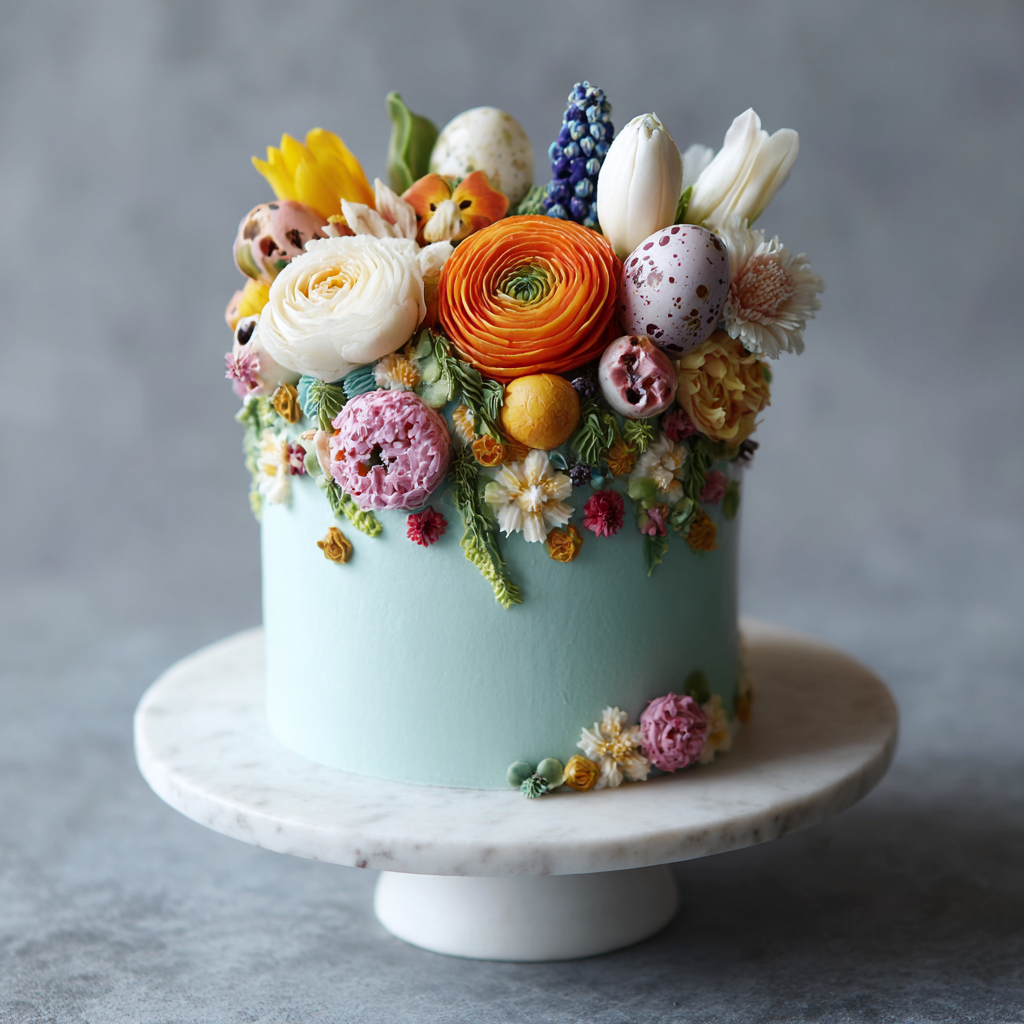
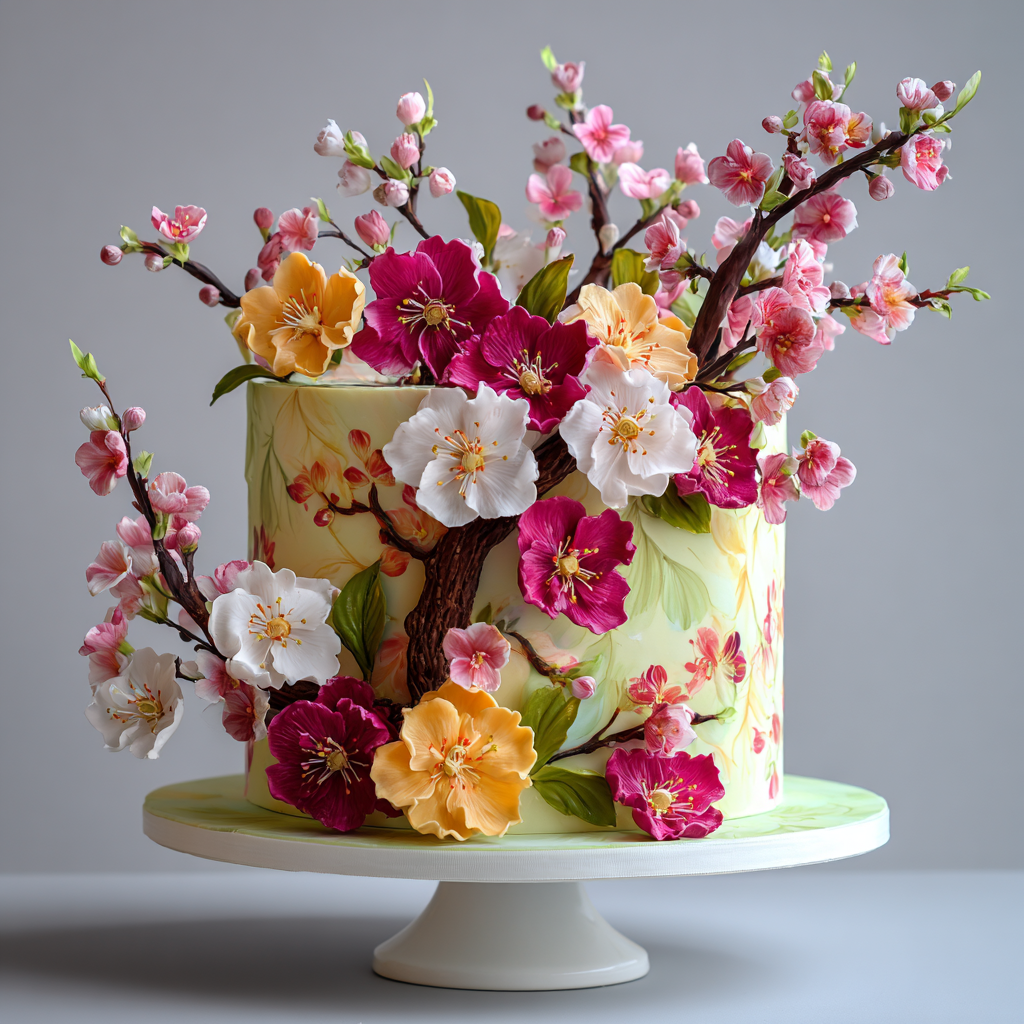
This spring cake design captures the essence of the season with soft pastel colors, delicate floral decorations, and light, refreshing flavors. Perfect for any springtime celebration, this cake features an elegant design that combines nature-inspired elements like edible flowers, buttercream, and subtle pastel tones to create a show-stopping centerpiece for your event.
Prep Time 40 minutes
Cook Time 30 minutes
Total Time 1 hour 10 minutes
Servings: 12
Course: Dessert
Cuisine: American
Calories: 350

Ingredients
  

  • For the Cake:
  • 2 ½ cups all-purpose flour
  • 1 ½ cups granulated sugar
  • 1 tablespoon baking powder
  • ½ teaspoon salt
  • ½ cup unsalted butter softened
  • 1 cup whole milk
  • 4 large eggs
  • 1 tablespoon vanilla extract
  • 1 tablespoon lemon zest for a fresh spring flavor
  • For the Buttercream Frosting:
  • 2 cups unsalted butter softened
  • 4 cups powdered sugar
  • 1 tablespoon vanilla extract
  • 2 tablespoons milk adjust for desired consistency
  • A pinch of salt
  • Gel food coloring pastel pink, lavender, mint green, or yellow
  • For Decorations:
  • Edible flowers roses, daisies, lavender, or pansies
  • Fresh greenery optional, such as mint leaves
  • Gold leaf optional for a luxe finish
  • Fondant optional for floral accents

Equipment

  • 2 round cake pans (8-inch or 9-inch)
  • Hand mixer or stand mixer
  • Spatula
  • Piping bags with tips (e.g., petal tip, round tip)
  • Cake board or stand
  • Smoothing tool or bench scraper
  • Flower cutters or floral silicone molds (optional)
  • Cake leveler (optional)
  • Offset spatula
  • Rolling pin (for fondant)
  • Parchment Paper or Silicone Mats
  • Edible flower petals (e.g., roses, daisies, violets)

Method
 

  1. Preheat the Oven: Preheat your oven to 350°F (175°C). Grease and line your cake pans with parchment paper.
  2. Prepare the Cake: In a medium bowl, whisk together the flour, baking powder, and salt. Set aside. In a large mixing bowl, cream the softened butter and sugar together until light and fluffy. Add the eggs one at a time, beating well after each addition. Mix in the vanilla extract and lemon zest.
  3. Combine Wet and Dry Ingredients: Gradually add the dry ingredients to the wet mixture, alternating with the milk. Mix until just combined, being careful not to over-mix.
  4. Bake the Cake: Divide the batter evenly between the prepared cake pans. Bake for 25-30 minutes, or until a toothpick inserted into the center comes out clean. Let the cakes cool in the pans for 10 minutes, then transfer to wire racks to cool completely.
  5. Make the Buttercream Frosting: Beat the softened butter in a large bowl until smooth. Gradually add the powdered sugar, one cup at a time, mixing well after each addition. Add the vanilla extract and milk, and beat until fluffy. Divide the buttercream into separate bowls and color each with a few drops of gel food coloring to create pastel shades (pink, lavender, mint, and yellow).
  6. Assemble the Cake: Once the cakes have cooled completely, level the cakes with a cake leveler or knife if necessary. Place the first cake layer on a cake board or stand and frost with a thin layer of buttercream. Add the second layer of cake and cover the entire cake with a smooth layer of buttercream.
  7. Decorate the Cake: Use a piping bag with a petal tip to create flower designs around the cake’s edges. You can pipe rosettes, swirls, or ruffles depending on your preference. Decorate the top of the cake with edible flowers like roses, daisies, or lavender. Add fresh greenery for a natural, garden-inspired look. Optionally, add gold leaf accents for a touch of elegance.
  8. Chill and Serve: Chill the cake in the fridge for 30 minutes to set the decorations. Once ready, slice and serve!
Notes

  • Edible Flowers: Always use organic, food-safe edible flowers from a trusted source. Avoid using flowers that may have been treated with pesticides or chemicals.
  • Flavor Variations: For a twist, you can add fruit purées like strawberry or raspberry to the cake batter for a natural flavor. You can also use a cream cheese frosting for a tangy contrast to the sweetness of the cake.
  • Cake Storage: Store any leftover cake in an airtight container at room temperature for up to 3 days, or refrigerate it for longer freshness.
  • Fondant Flowers: If you want to create more intricate flower designs, consider using fondant. You can use floral molds or freehand cut petals and assemble them into beautiful blooms.
spring cake designs