
It is more robust and healthier to eat Bison Sausage Recipe as an alternative to traditional sausages. Whether a whiz in the kitchen or just starting out on your own, making the bison sausage yourself at home is an experience for the memory book. The rich, gamey taste of bison meat brings depth to any dish. And when combined with proper spices, your taste buds will cheer! In this article, let’s look at a simple but yummy bison sausage recipe that is bound to be popular with the public both at home and abroad.
By making bison sausage at home, you not only save money but can also add your own unique taste twists to the flavor. The secret of a perfect bison sausage recipe is in achieving a balance between spices and the natural flavor of meat. By using fresh ingredients and good quality spices, you can make your bison sausage as mild or spicy as you like or give it a herby touch. With a few simple-to-find ingredients, bison meat can be transformed into a delicious, juicy sausage.
So, if you’re ready for a little adventure and want to experience something new, go ahead and try this bison sausage recipe to prepare a treat at home yourself. Whether you’re a grill expert or sautee, use it in an early cuisine like swaddled meat! This recipe will bring out the best in bison meat, no matter how you get it hot. It is ideal for anyone who wants to be adventurous with their food but still seeks a satisfying serving of lean protein that is crammed full of taste.
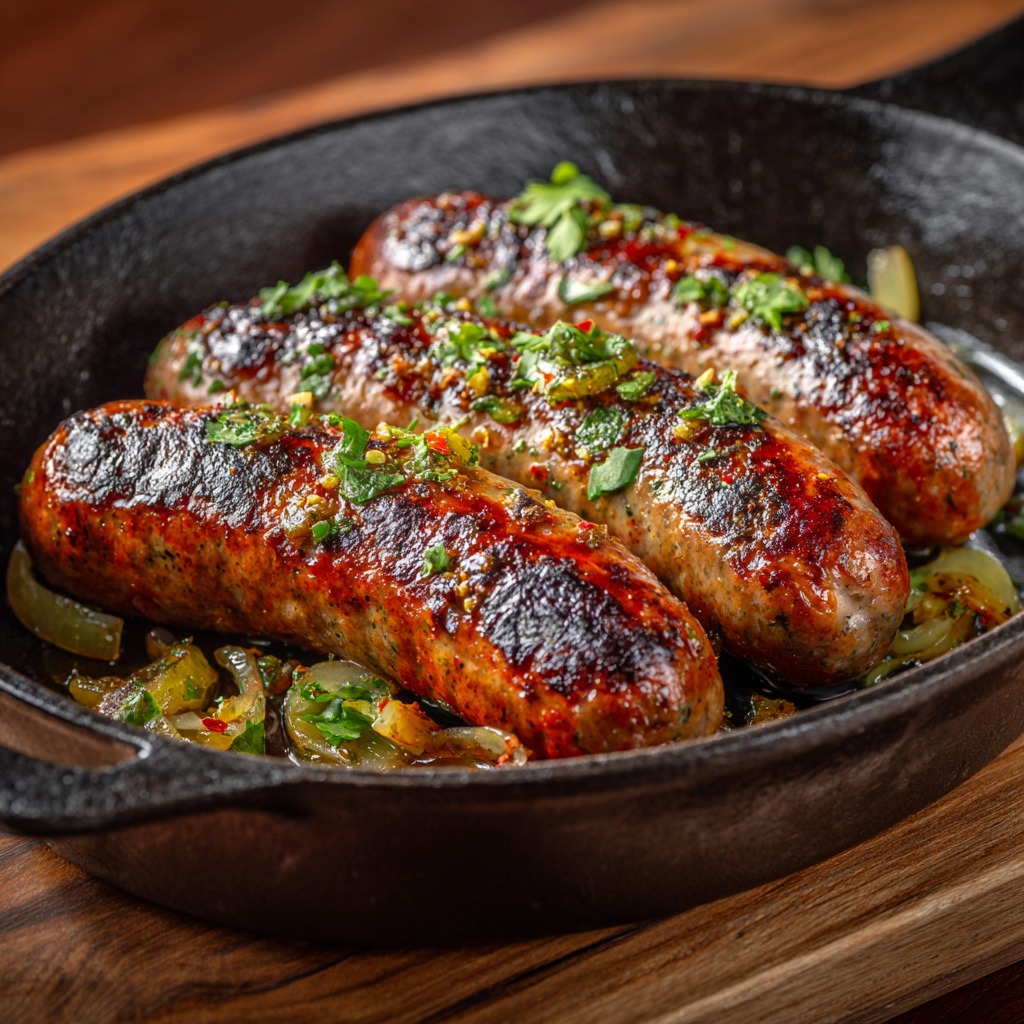
- Why Choose Bison Meat for Your Sausage?
- Essential Ingredients for a Perfect Bison Sausage Recipe
- Step-by-Step Guide to Making Bison Sausage
- Tips for Perfect Bison Sausage Every Time
- How to Serve and Enjoy Your Bison Sausage Recipe
- Storing Leftover Bison Sausage
- How to Customize Your Bison Sausage Recipe
- Best Tools for Making Bison Sausage at Home
- How to Choose the Right Sausage Casings
- Cooking Techniques for Bison Sausage Recipe
- Serving Ideas for Your Homemade Bison Sausage
- Share Your Twist!
Why Choose Bison Meat for Your Sausage?
Unlike beef or pork sausage, bison is a perfect choice because it is less fatty than red meat and has a flavorful taste of its own. Bison is also high in protein and low in fat, making it a healthier option for meat lovers looking to reduce their fat intake. Moving away from the beef or pork varieties, bison has a slightly sweet and much more flavorful taste that helps in enhancing the taste of their sausage products. Choosing bison not only adds variety to your cooking but also opens up a whole new world of sausage preparation.
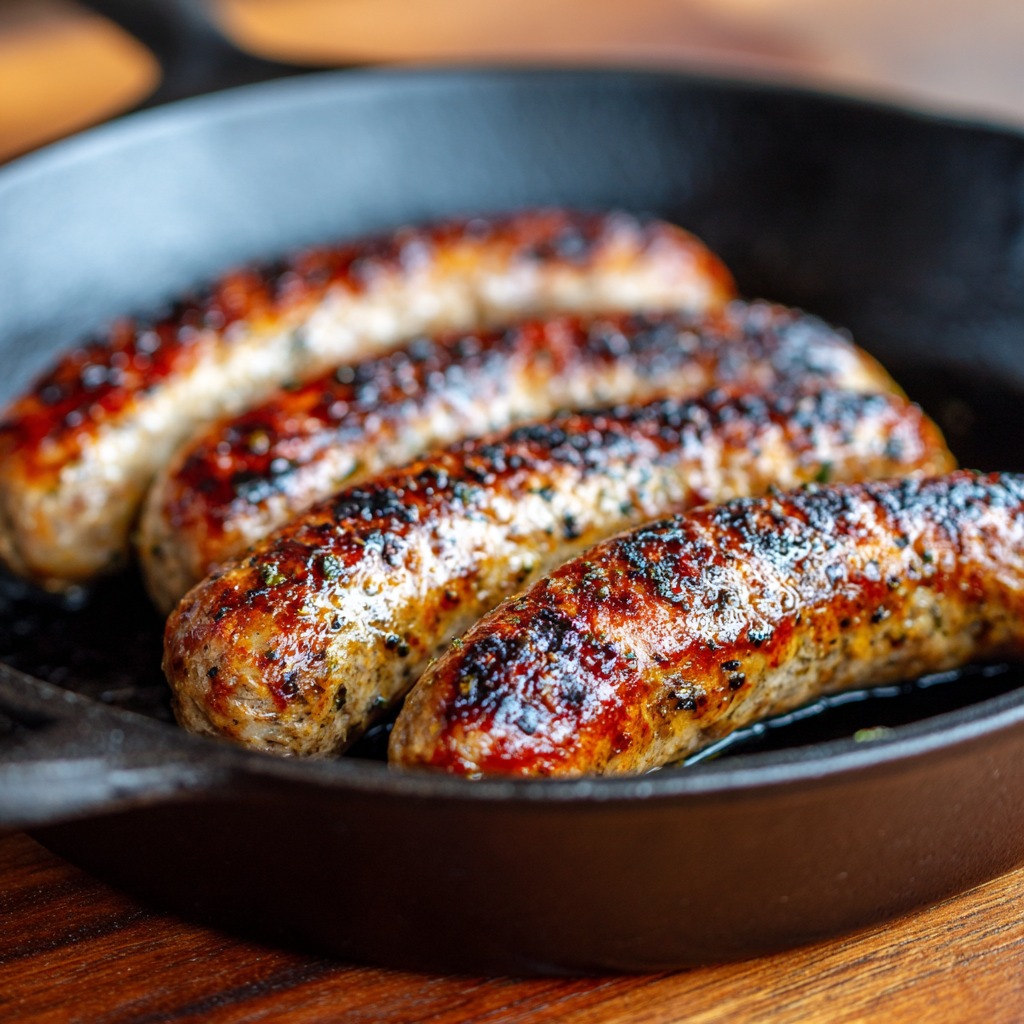
Benefits of Making Your Own Bison Sausage Recipe
By making bison sausage from scratch, you are not only eating healthier but can also control what goes into the sausage, avoiding various preservatives, fillers, and artificial flavorings found in store-bought sausages. A second bonus of bison sausage made entirely by hand is that you have the chance to adjust the seasoning in line with your own tastes, whether preferring a mild flavor or something with more kick. Also, sausages made at home in large quantities keep well and can be stored for future convenience or for a quick and economical meal prep sorta option.
Essential Ingredients for a Perfect Bison Sausage Recipe
With a few simple ingredients, you can make your own bison sausage Recipe: bison meat, fat beef, or both will do, and seasonings. Garlic, onion powder, paprika, black pepper, thyme, and cayenne pepper are all common seasonings. Fresh herbs such as sage or rosemary can also be added for extra flavor. The fat is essential to keep the sausage juices in. Without it, your sausage will be dry and tasteless. Depending on your taste, you can vary how much fat to mix in with your meat in order to make a leaner or fatter sausage.
Preparing the Bison Meat for Sausage Making
In the process of making bison sausage Recipe, the first thing to be done is to grind the meat. While some people may suggest using a meat grinder for a fine texture, those whose consumption is limited may also desire having their butcher grind it to get the job done. Generally speaking, planting flour is preferable for making sausages, giving them a good texture when cooked up. After grinding your meat, add fat and seasonings evenly. You can also add zest to your product by adding other ingredients like apple cider vinegar or honey for a slight touch of sweetness.
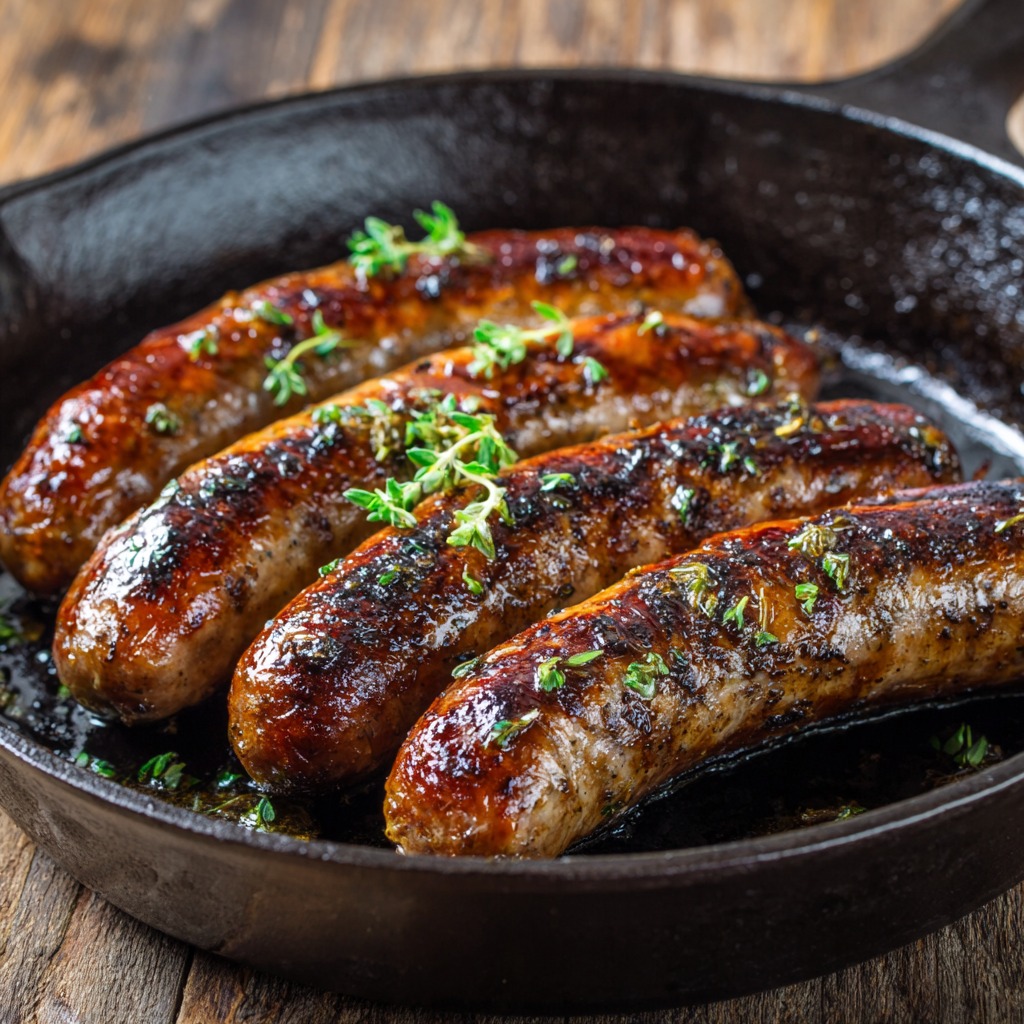
Step-by-Step Guide to Making Bison Sausage
Now that you have all the ingredients ready, let’s dive into the step-by-step process of making bison sausage.
Cook the Sausage: Grill, pan-fry, or roast your bison sausage to perfection. Ensure the sausage is cooked through by checking its internal temperature.
Grind the Meat and Fat: Begin by grinding your bison meat and fat. If you want a finer texture, grind the mixture a second time.
Mix in Spices: Add your spices to the ground meat and fat. This is where you can get creative and adjust the seasoning to suit your taste.
Stuff the Sausage Casings: If you’re using natural casings, soak them in warm water before stuffing them with the sausage mixture. Tie off the ends and twist the sausages to form individual links.
Rest the Sausage: Let the sausage rest for at least an hour in the refrigerator to allow the flavors to meld.
Tips for Perfect Bison Sausage Every Time
To ensure your bison sausage turns out perfectly every time, consider the following tips:
Cook Gently: Bison sausages cook faster than traditional pork or beef sausages. Be mindful not to overcook them, or they may dry out.
Fat Ratio: For a leaner sausage, use less fat, but remember that fat helps to keep the sausage moist and tender.
Seasoning Balance: Don’t be afraid to experiment with different spice blends to find your ideal flavor combination.
How to Serve and Enjoy Your Bison Sausage Recipe
The bison sausage that has been cooked is ready to go. It’s time to enjoy it. As part of a breakfast spread shared with eggs, it is ideal for breakfast sandwiches, add it to pastas, or stews, and you can serve it or lettuce wrap bison sausage is also good on their own. Sautéed vegetables go extremely well with bison sausage, as does even something as simple as mashed potatoes. Any salad will set off the bison sausage. You can showcase its unique flavor in yet a third way when it becomes the hero of your meal, be it for a casual weeknight dinner with friends or a barbecue on the horizon.
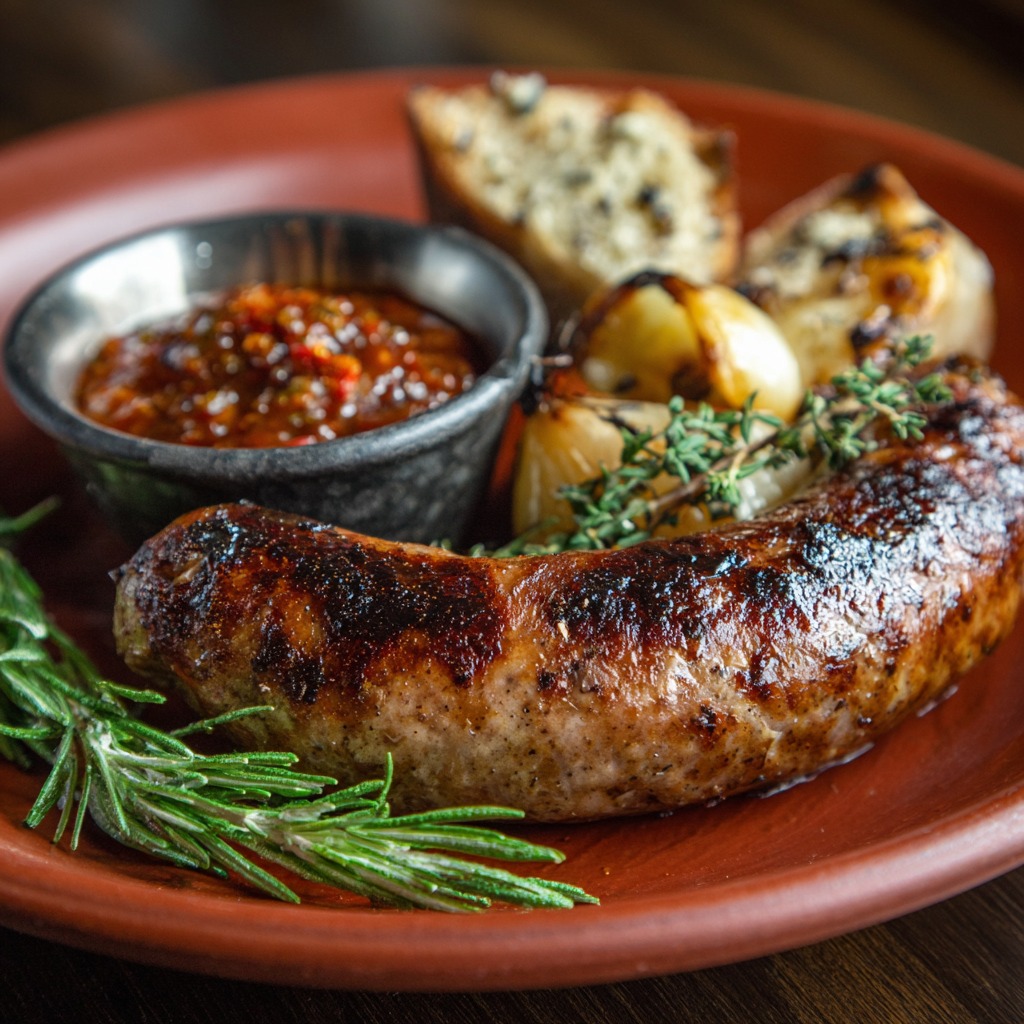
Storing Leftover Bison Sausage
6 If you have any bison sausages left over, they can be stored in the fridge for a week. For longer storage, keep it in a cool place – such as your icebox. Ensure that the sausage is tightly wrapped or put into an airtight container, however. Otherwise, with time (i.e., during the freeze-thaw cycle), burning from carbon dioxide gas will destroy its quality. Just when it’s time to eat, reheating is easy – grill, fry, or even microwave.
How to Customize Your Bison Sausage Recipe
The classic bison sausage recipe is tasty as it stands, but there are plenty of ways you can make it your own. Depending on whether you like your sausages spicy, sweet, or herby-flavored, you can adjust the taste as you like. Why not use different seasonings? Fennel seeds can add a hint of sweetness, and smoked paprika will give your sausages the characteristic taste and aroma that we all love. Or, you may also put ingredients like diced apples and cranberries in it for a little fruity flair. When you experiment with spices and other flavorings, you’ll find yourself well on the way to composing a sausage that is tailor-made for your taste.
Using Different Meat Blends for Bison Sausage Recipe
Most people use buffalo meat as an ingredient because it’s leaner than other meats. They find that the beef from grass can make bison suitable for sausage. By using more lean types of animal products and connecting them with less fatty ones, like pork fat or beef suet, you can produce a richer sausage. With the addition of pork or beef fat, the sausage will stay moist and tender under any kind of high-heat treatment.
On the other hand, you could start with a higher-fat cut of bison in order to make it lean while keeping its taste. Because you can mix and match meats when customizing different sausage combinations, you get the just-right texture and flavor for your bison link.
Best Tools for Making Bison Sausage at Home
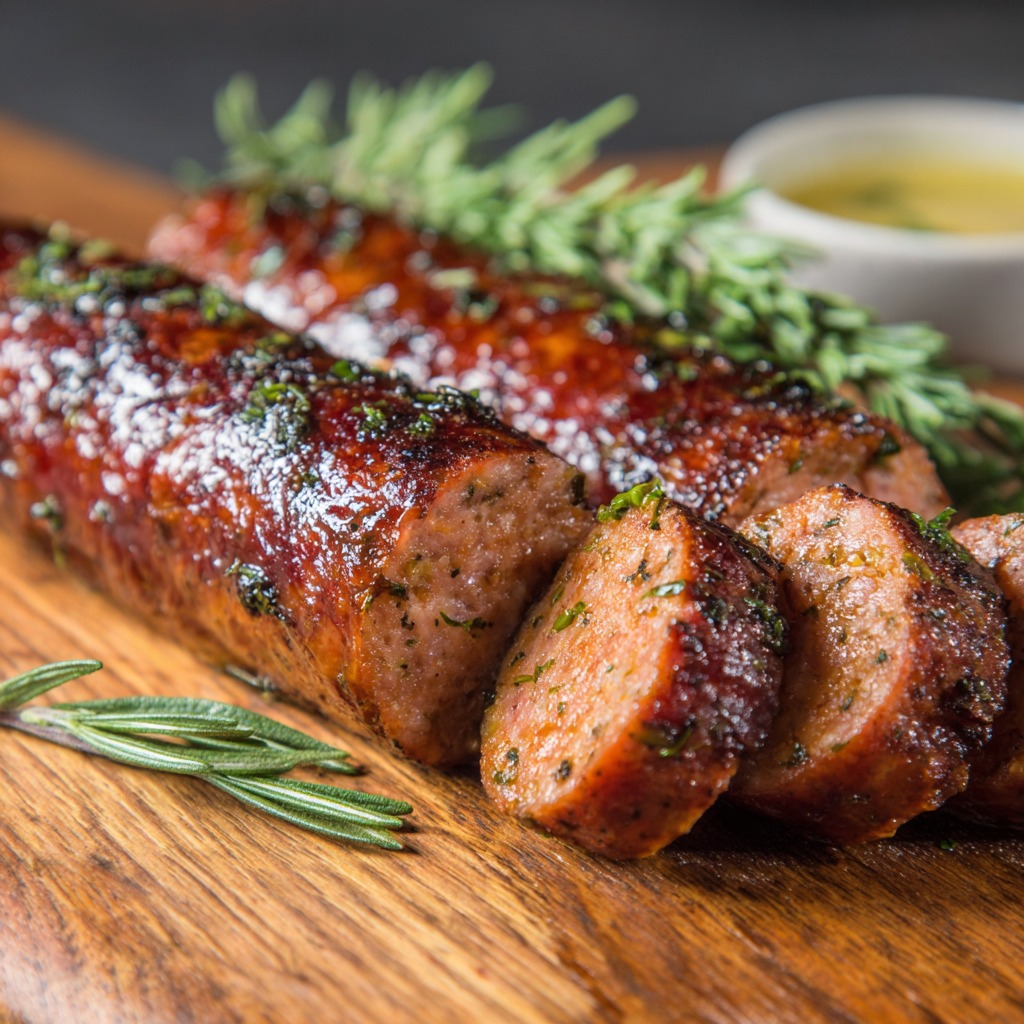
To get the best result requires a few things, however. The most important tool is a meat grinder. It allows you to grind the meat, other ingredients, and fat into fine particles exactly how your recipe calls for. If you don’t have a grinder, many butchers offer grinding services as well. Also, sausage casings are a necessity in every sausage-making project. Natural casings can be used for those who wish to go the traditional route and sweat blood, while synthetic casings are easier to work with. A sausage stuffer can make your stuffing work faster and more evenly, which is sure to mean a better result.
How to Choose the Right Sausage Casings
When it comes to casings, you have two primary options. You could choose natural casings or synthetic casings. Natural casings, usually made from hog intestines, offer, at the same time, both a more traditional texture and that satisfying snap when you bite into the sausage. Moreover, they are more breathable, allowing air to pass through and so make them last longer than old ones if stored properly, of course. Synthetic casings, made from collagen or cellulose, are a lot easier to work with. They don’t require soaking for use. Either way can produce fine sausages, so it depends on your personal habits and experience category.
Cooking Techniques for Bison Sausage Recipe
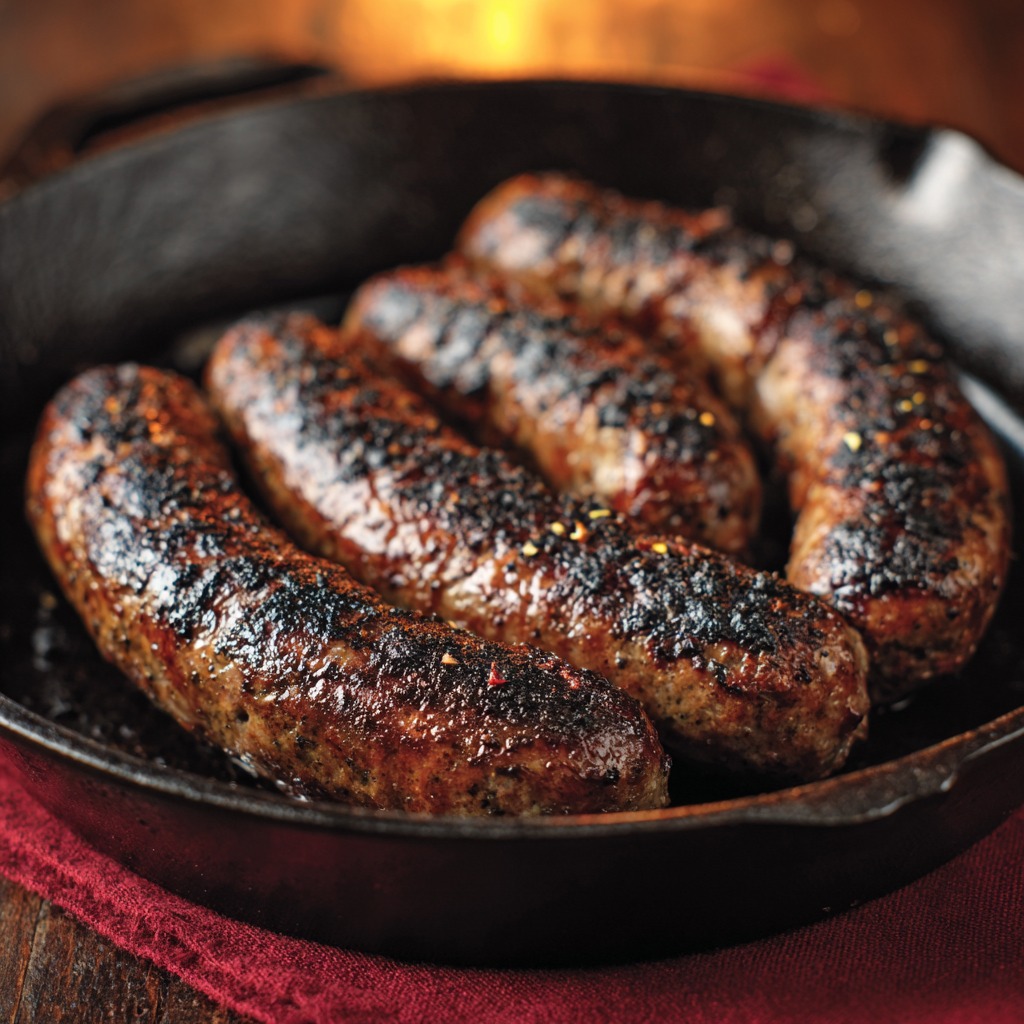
Whilst you are cooking bison sausages, you must be very careful not to let them lose their moisture and flavor. Grilling over an open flame or hot coals can add smoky tastes as well as crisp skins. The best way to do this is to pan-fry in a skillet because that lets the sausage hang on to its juice. Oven-roasting at a moderate temperature is the best solution for lazy cooks, especially if you are cooking en masse, that is. No matter which method you choose, make sure to keep a close eye on the internal temperature. The safe minimum for eating meat is 160°F (71 °C).
How to Grill Bison Sausage to Perfection
Barbecuing bison sausage is a short and simple method for bringing out its flavor to the maximum. Preheat your grill on medium heat and cook the sausages, turning often until they are browned through but have an internal temperature of at least 160°F (71°C) overall. For added flavor, the sausage can be ‘glazed’ or marinated before grilling, also. This has the additional advantage that, when done perfectly right, you will end up without ever having set fire to yourself. Additionally, some people like barbecued sausages cooked over an indirect flame, as this prevents flare-ups and ensures even cooking. The result is a crispy, moist, and juicy sausage with a delicious charred outer layer.
Serving Ideas for Your Homemade Bison Sausage
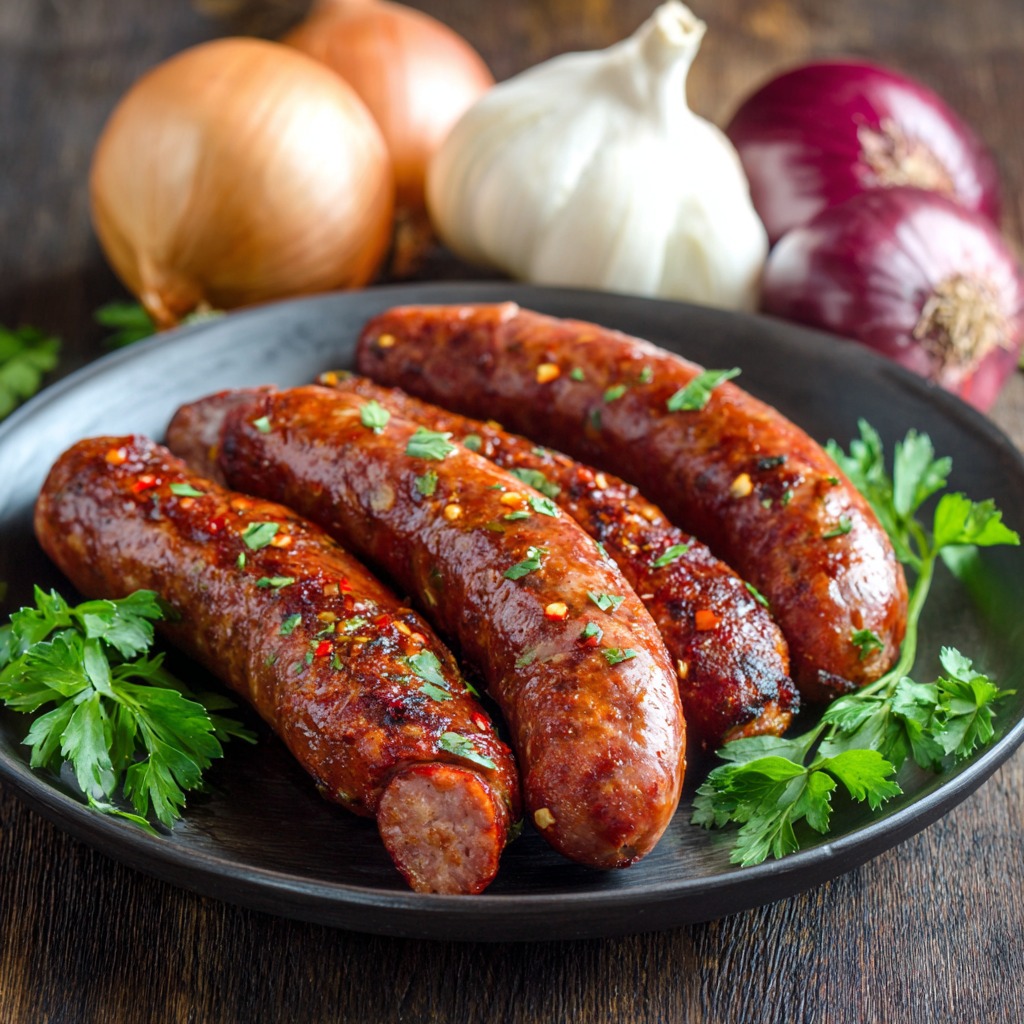
When your bison sausage is finished cooking, it’s time to eat! This sausage is very versatile–you can match it with a variety of sides. For breakfast, serve it with scrambled eggs and roasted potatoes on the side or as a hearty meal all by itself. Or for lunch and dinner, enjoy some bun-plied sautéed onions, sautéed peppers. On the side: add your choice of roasted vegetables, such as butternut squash roasted lightly crushed with coconut oil; a bowl full of brussels sprouts braised in soy sauce, or some mixed greens from the garden. Bison sausage also goes really well with grains like quinoa and couscous. It can be added to stews and casseroles for extra flavor.

Bison Sausage Recipe
Equipment
- Meat grinder
- Sausage stuffer (optional)
- Sausage casings (natural or synthetic)
- Mixing bowl
- Knife
- Cutting board
- Measuring spoons
- Cooking thermometer
Ingredients
- 2 pounds ground bison meat
- 1/2 pound pork fat or beef fat optional for added moisture
- 1 tablespoon garlic powder
- 1 tablespoon onion powder
- 1 teaspoon smoked paprika
- 1/2 teaspoon black pepper
- 1/2 teaspoon thyme
- 1/2 teaspoon cayenne pepper optional, for heat
- 1/4 cup water or broth to help bind the sausage mixture
- Sausage casings natural hog casings preferred
Instructions
- Prepare the Meat: Begin by grinding the bison meat and fat (if using) through a meat grinder. For a finer texture, grind a second time.
- Mix the Seasonings: In a large mixing bowl, combine the ground meat with garlic powder, onion powder, smoked paprika, black pepper, thyme, and cayenne pepper. Add water or broth to help bind the mixture.
- Stuff the Sausages: Soak your sausage casings in warm water for about 30 minutes. Then, stuff the seasoned meat mixture into the casings, making sure to pack it tightly to avoid air pockets. Tie off the ends of the casings and twist sausages into links.
- Rest the Sausages: Refrigerate the sausages for at least 1 hour to let the flavors meld.
- Cook the Sausage: Cook the sausages by grilling, pan-frying, or roasting them. Ensure they reach an internal temperature of 160°F (71°C) for safe consumption.
- Serve: Once cooked, serve the sausages hot with your preferred sides or store them for later use.
Notes
- Fat ratio: If you prefer leaner sausages, you can adjust the fat content. However, some fat is necessary to keep the sausages juicy.
- Flavor variations: Feel free to experiment with additional herbs, spices, or even fruits (like apples) to customize the sausage to your taste.
- Storage: Leftover sausages can be stored in the refrigerator for up to 5 days or frozen for up to 3 months. Be sure to wrap them tightly in plastic wrap or foil before freezing.
- Casings: Natural hog casings give the sausage a traditional snap, but synthetic casings can be used for easier handling.
Share Your Twist!
Have you put your own ingenuity into this recipe for bison sausage? Perhaps the spices are different, or the secret ingredient is something else. If you have a variation on this recipe that’s truly your flavor, please leave it in the comments section here or tag us @emeals_recipe on Instagram and let us know how this dish reflects your personality! We want to know your achievements in interpretation and the taste that suits you best.