
Dry chicken breast is the most common weeknight disappointment, and thick, uneven pieces are usually the reason. This chicken medallions recipe fixes that by cutting the breast into thick coins that sear quickly and stay juicy, then turning the pan drippings into a creamy Dijon and lemon sauce in under five minutes. Total time is about 30 minutes, and it needs one skillet.
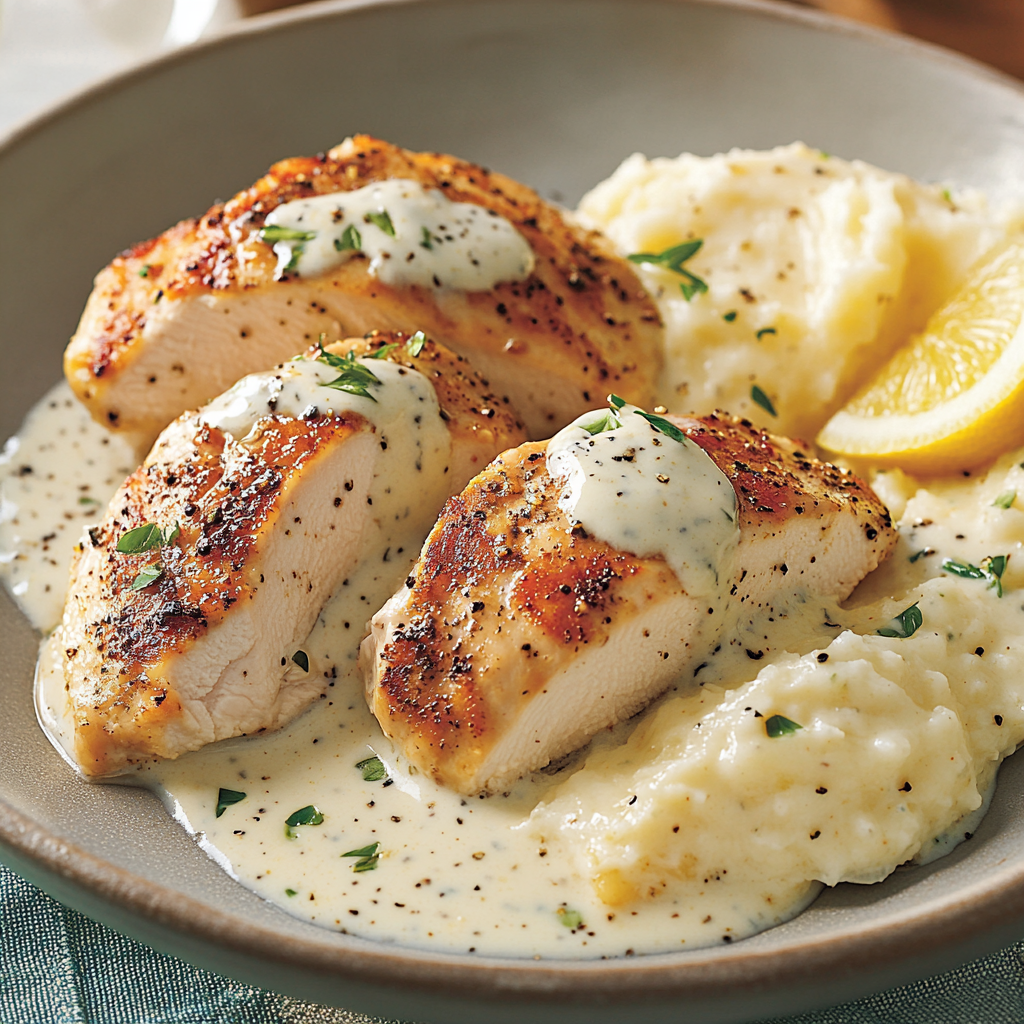
Why Cut Chicken Into Medallions?
A medallion is simply a round, coin-shaped piece of meat. The cut is classic for beef and pork tenderloin, and it works well for chicken breast because small, even pieces cook in a few minutes instead of the 20 to 25 a whole breast needs. More surface touches the pan, so you get more golden crust, and each piece is thin enough that the center is done before the outside dries out.
It also makes the dish look more special than a plain breast, which is why the same method turns up on restaurant menus and weeknight tables alike.
How to Cut Chicken Medallions That Cook Evenly
Chicken breasts are teardrop-shaped, thick at one end and thin at the other, and that uneven shape is what ruins most chicken dinners. Handle it in two steps:
- Cut the thick end of each breast in half horizontally, like opening a book, so the pieces are a similar thickness.
- Slice crosswise into pieces about 1 inch thick. If a few pieces are still thicker than the rest, press them lightly with the heel of your hand or a meat mallet.
Pat the pieces dry with paper towels before seasoning. Dry surfaces sear and brown, while wet ones steam and turn grey.
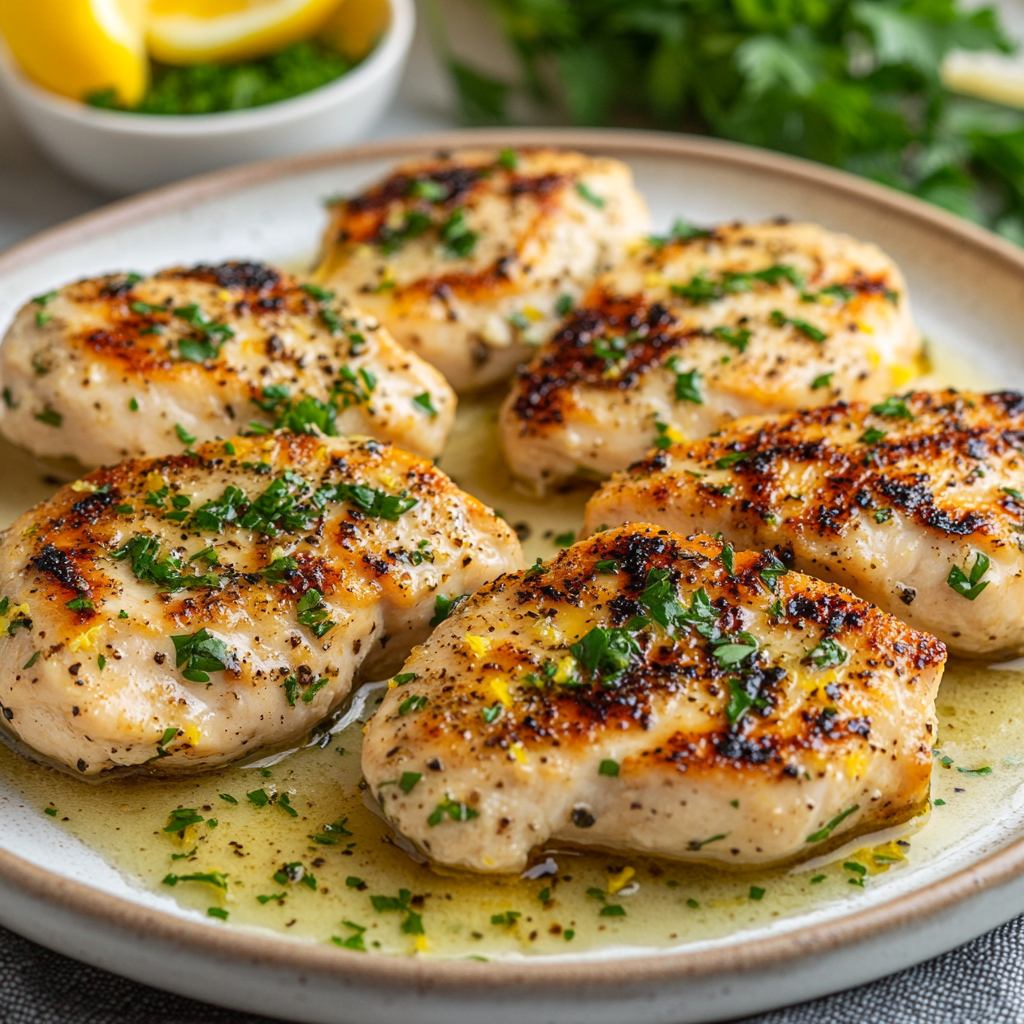
Chicken Medallions Recipe Ingredients
For the chicken: 2 boneless, skinless chicken breasts; 1 tablespoon olive oil; 1 teaspoon garlic powder; salt and pepper; 1 tablespoon fresh lemon juice; 1 tablespoon chopped parsley (optional).
For the sauce: ½ cup chicken broth; ¼ cup heavy cream (optional, for a creamier sauce); 1 teaspoon Dijon mustard; 1 teaspoon lemon zest.
That is the whole list. Dijon is the quiet star: it adds tang, helps the sauce emulsify, and means you do not need flour or cornstarch to thicken it.
How to Cook Chicken Medallions and the Pan Sauce
- Season. Sprinkle both sides of the medallions with salt, pepper and garlic powder.
- Sear. Heat the oil in a large skillet over medium-high heat. When it shimmers, add the medallions in a single layer, leaving space between them. Cook 3 to 4 minutes per side without moving them, until deep golden. Work in two batches if the pan is crowded. Move the chicken to a plate.
- Deglaze. Pour the broth into the hot pan and scrape up the browned bits with a spoon. Those bits are concentrated flavor.
- Build the sauce. Lower the heat to medium. Stir in the cream, Dijon and lemon zest, and simmer 2 to 3 minutes until the sauce coats the back of a spoon.
- Combine. Return the chicken and any juices from the plate to the skillet, spoon sauce over the pieces, and warm everything for 2 to 3 minutes.
- Finish. Take the pan off the heat, add the lemon juice and parsley, and serve at once.
Adding the lemon juice after the pan comes off the heat keeps the cream from splitting and gives you a fresher citrus flavor than if it simmers.
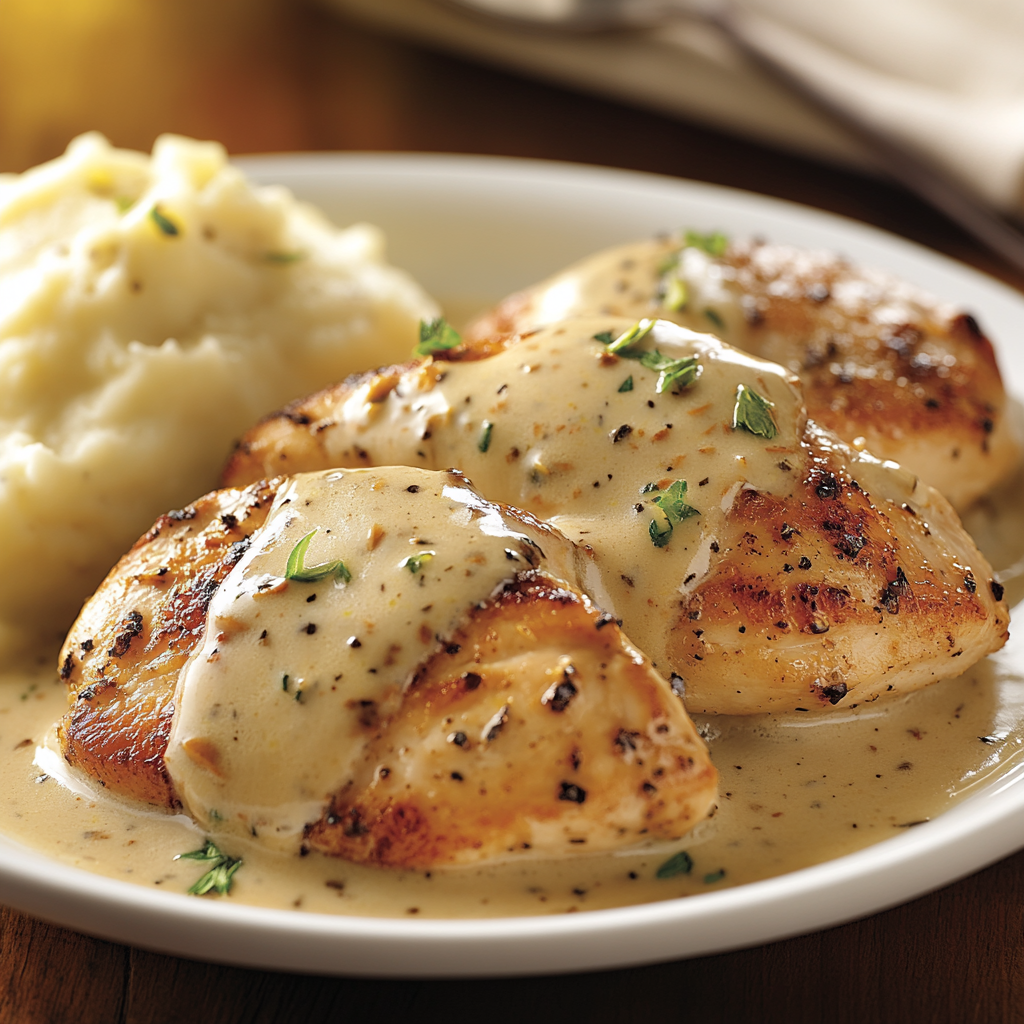
Chicken Medallions Recipe Card
Chicken Medallions Recipe
Equipment
- Sharp knife for slicing chicken
- Large skillet or frying pan
- Measuring spoons and cups
- Tongs or spatula for flipping chicken
- Cutting board
- Small bowl for mixing sauce (optional)
Ingredients
- 2 boneless skinless chicken breasts
- 1 tablespoon olive oil
- 1 teaspoon garlic powder
- Salt and pepper to taste
- 1 tablespoon fresh lemon juice
- 1 tablespoon chopped fresh parsley optional
- For the Sauce:
- 1/2 cup chicken broth
- 1/4 cup heavy cream optional for a creamier sauce
- 1 teaspoon Dijon mustard
- 1 teaspoon lemon zest
Instructions
- Prepare the Chicken: Slice the chicken breasts into medallions, about 1-inch thick. Season both sides of the chicken medallions with salt, pepper, and garlic powder.
- Sear the Chicken: Heat a large skillet over medium-high heat and add olive oil. Once the oil is hot, add the chicken medallions in a single layer. Sear them for 3-4 minutes on each side, or until golden brown and cooked through. Remove from the skillet and set aside.
- Make the Sauce: In the same skillet, add the chicken broth, scraping up any browned bits from the pan. Stir in the heavy cream, Dijon mustard, and lemon zest. Let the sauce simmer for 2-3 minutes until it thickens slightly.
- Combine Chicken and Sauce: Return the chicken medallions to the skillet and spoon some of the sauce over the top. Cook for another 2-3 minutes until the chicken is heated through.
- Garnish and Serve: Sprinkle with fresh lemon juice and chopped parsley for extra flavor. Serve immediately with your favorite side dishes, such as mashed potatoes, quinoa, or steamed vegetables.

Notes
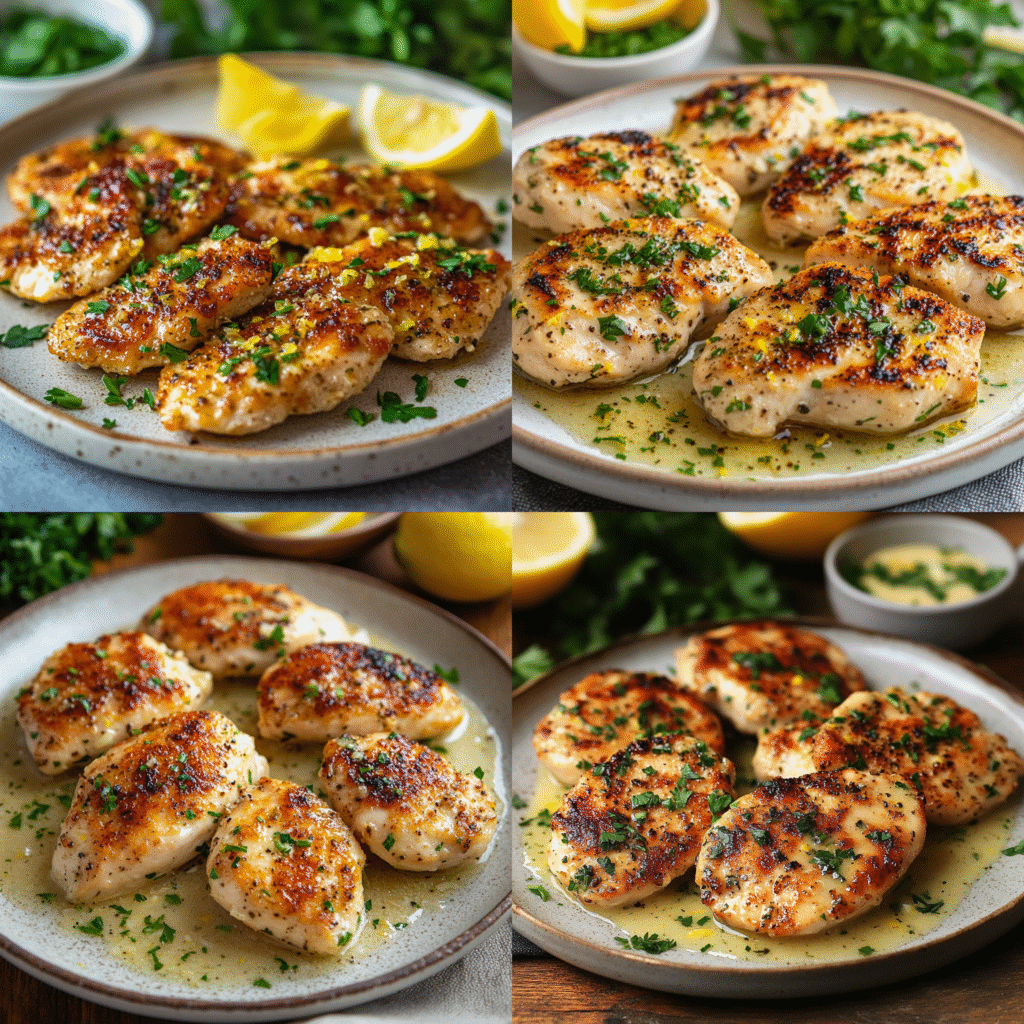
How to Tell When Chicken Medallions Are Done
Time is only a guide, because pan heat and piece thickness vary. The reliable test is temperature: the thickest piece should read 165°F (74°C) on an instant-read thermometer, which is the safe minimum for chicken. Without a thermometer, cut into the biggest piece. The juices should run clear and the center should be opaque white with no pink.
Because the pieces finish warming in the sauce, you can pull them slightly early, at around 160°F, and let the sauce bring them the rest of the way. That is the easiest way to avoid dryness. Check the FoodSafety.gov guidelines if you want the full temperature chart for other meats.
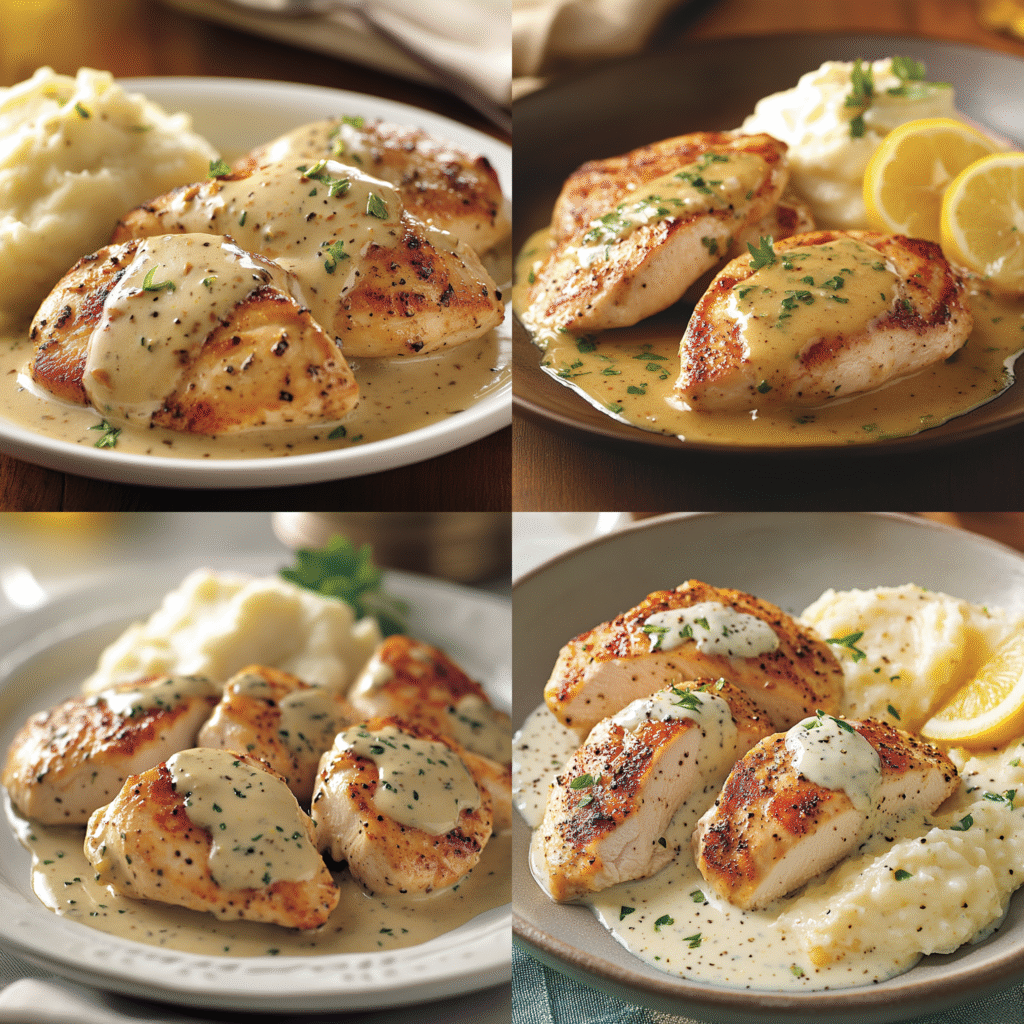
Five Ways to Change the Sauce
- Lighter: skip the cream and use all broth, then whisk in a teaspoon of butter at the end for body.
- Dairy-free: use coconut cream or an unsweetened, unflavored plant-based cream in place of heavy cream.
- Mushroom: sauté sliced mushrooms in the pan after removing the chicken, before adding the broth.
- Garlic-herb: cook 2 minced garlic cloves for 30 seconds in the pan, then add thyme, rosemary or tarragon with the broth.
- Honey-mustard: stir in a teaspoon of honey and an extra half teaspoon of Dijon for a sweeter, tangier version.
Chicken thighs work too. They take a couple of minutes longer and stay juicier, but cook them to 175°F or so for the best texture.
What to Serve With Chicken Medallions
On a weeknight, keep it simple with steamed green beans or asparagus and rice. A scoop of Chamorro red rice soaks up the sauce, and a bowl of crunchy cucumber salad adds a cold, tangy contrast.
For company, serve the medallions over garlic mashed potatoes or creamy polenta, with roasted vegetables and a lemony dessert such as the blueberry lemon mascarpone cake. If your guests enjoy lemon pan sauces, a seafood alternative on the same menu could be the Acadian redfish with lemon butter sauce.
For meal prep, portion the chicken and sauce over quinoa or couscous with roasted broccoli. Keep the sauce slightly looser than you want it, since it will thicken in the fridge.
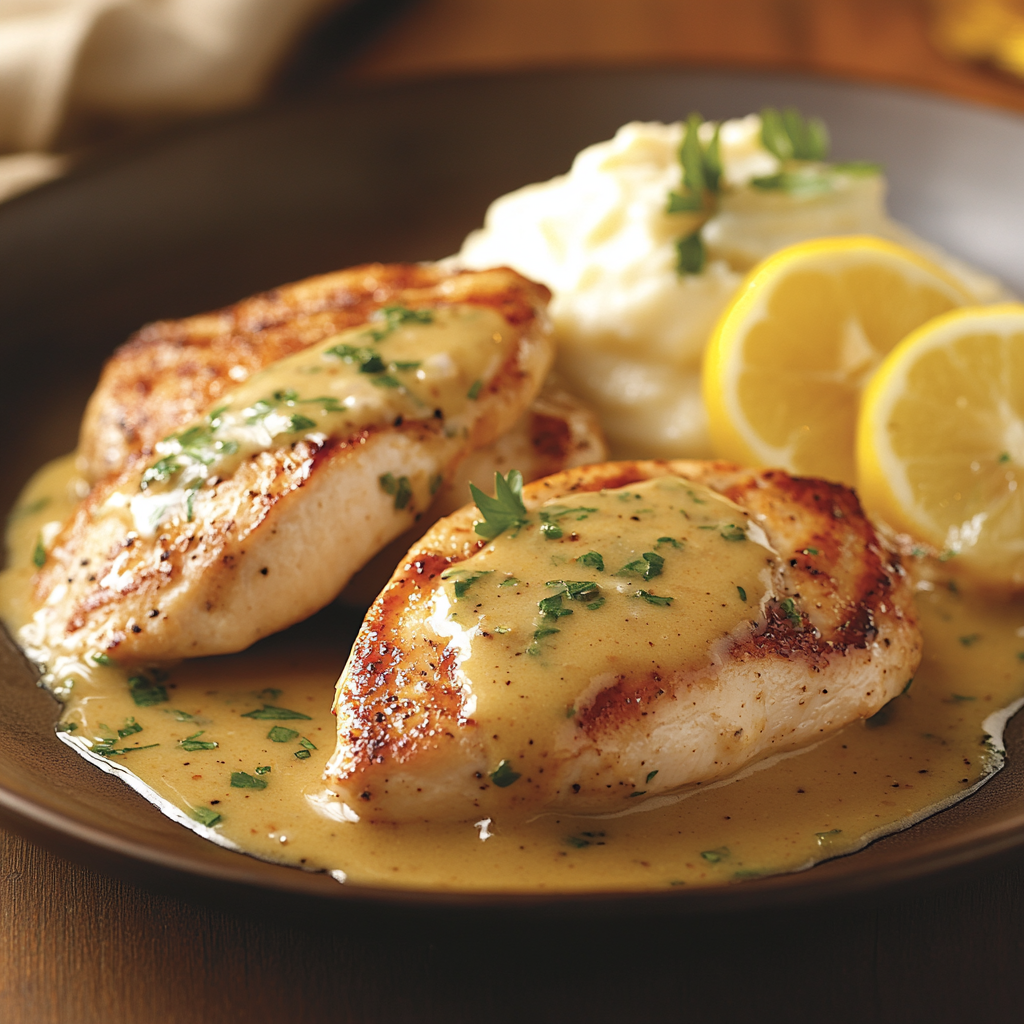
Storing and Reheating Leftovers
Refrigerate leftovers within 2 hours in an airtight container, and eat them within 3 days. They freeze for up to 3 months, ideally with the sauce so they stay moist, and should be thawed overnight in the refrigerator. Reheat gently in a skillet over low heat with a splash of broth, covered, until steaming hot (165°F). Microwaving works, but use medium power and stir the sauce halfway so it does not separate.
The recipe card lists about 230 calories per serving, which will vary with the size of your chicken breasts and whether you use the cream. The dish contains dairy if you add cream, and it is naturally gluten-free as long as your broth and mustard are.
Questions People Ask About This Chicken Medallions Recipe
Can I use frozen chicken? Yes, but thaw it fully in the refrigerator first and pat it very dry. Cooking from frozen releases water and prevents browning.
Why is my sauce thin? Simmer it a minute or two longer. If you want it thicker, stir a teaspoon of cornstarch into a tablespoon of cold broth and whisk it in.
Can I marinate the chicken first? A quick 20 to 30 minute marinade in olive oil, lemon juice and herbs adds flavor, but pat the pieces dry before searing so they brown.
What size pan do I need? A 12-inch skillet fits all the pieces in one layer. A smaller pan works if you cook in two batches.
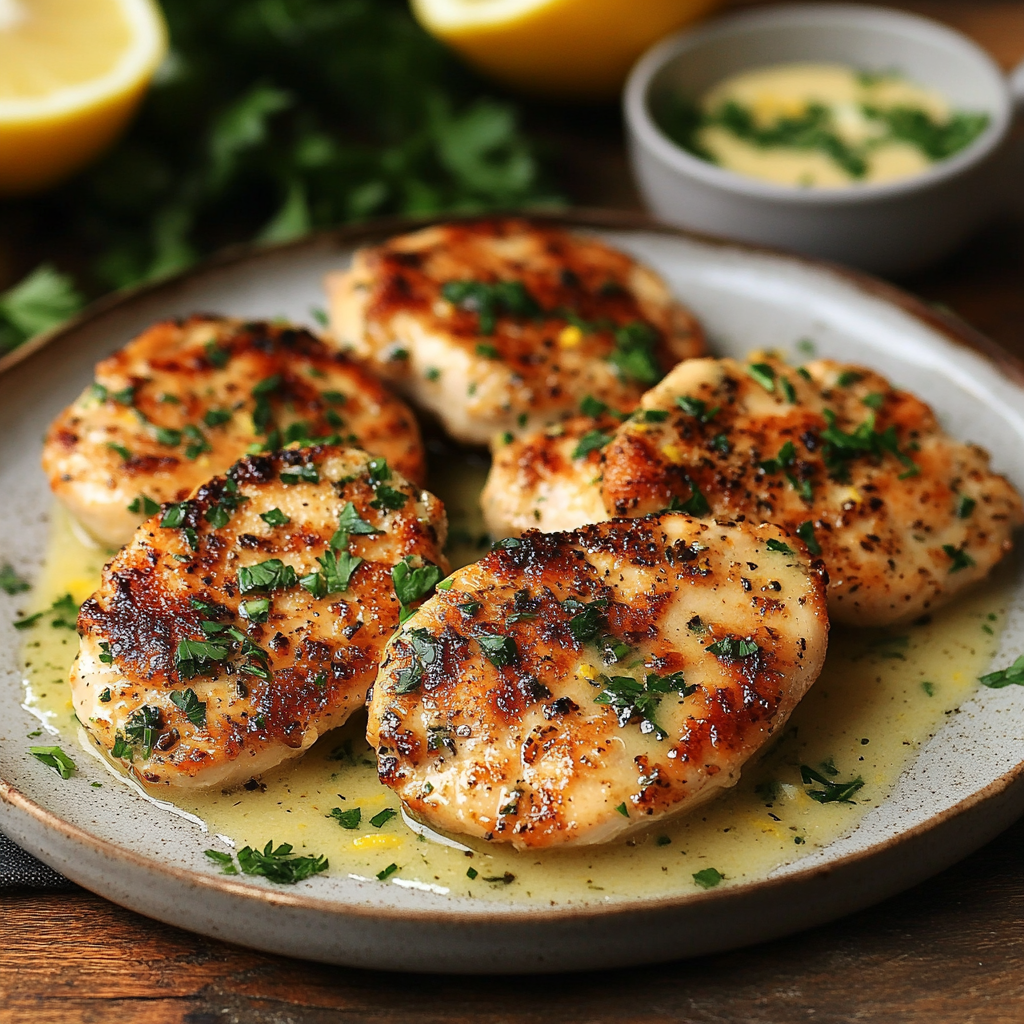
If you try it, tell me what you served it with and whether you kept the cream or went lighter. A comment and rating below help other readers.
Related reading: Lemon Chicken Piccata on Allrecipes, a similar pan-sauce technique with capers.