
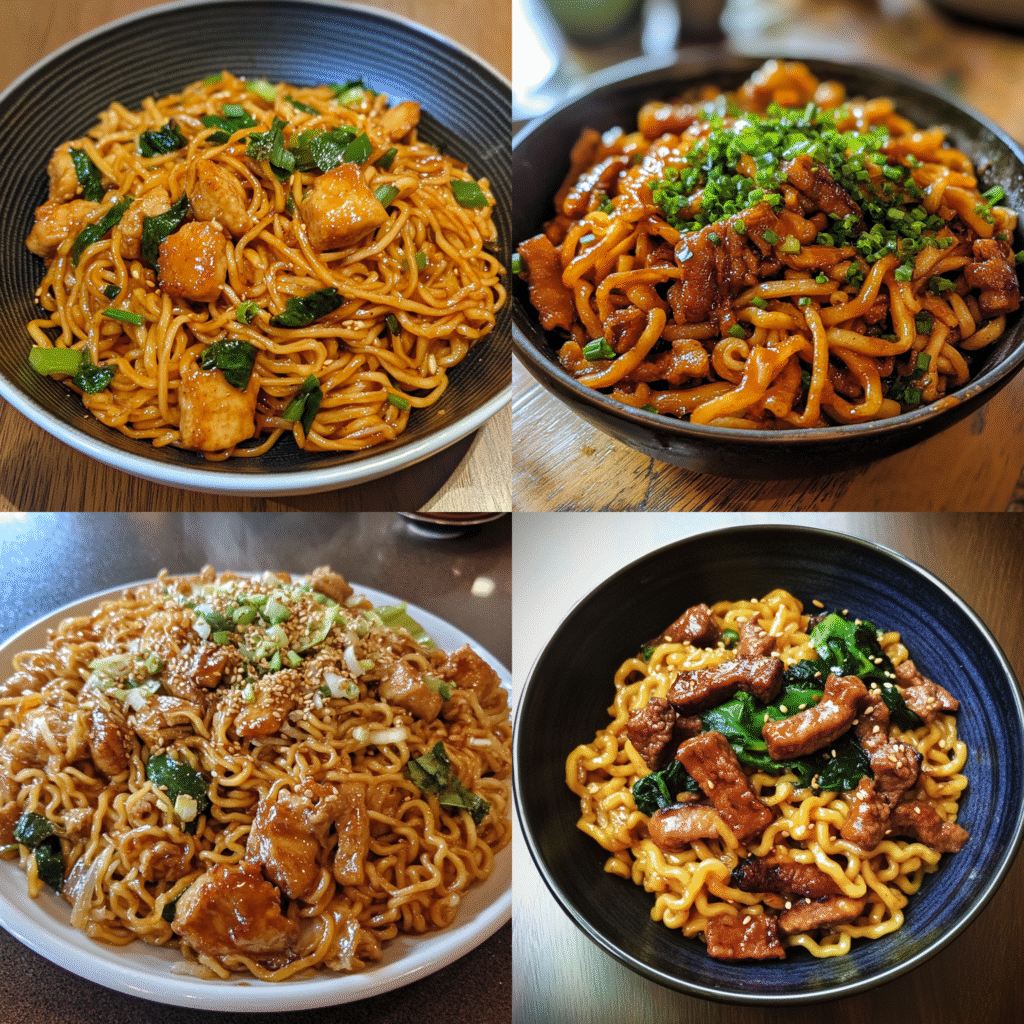
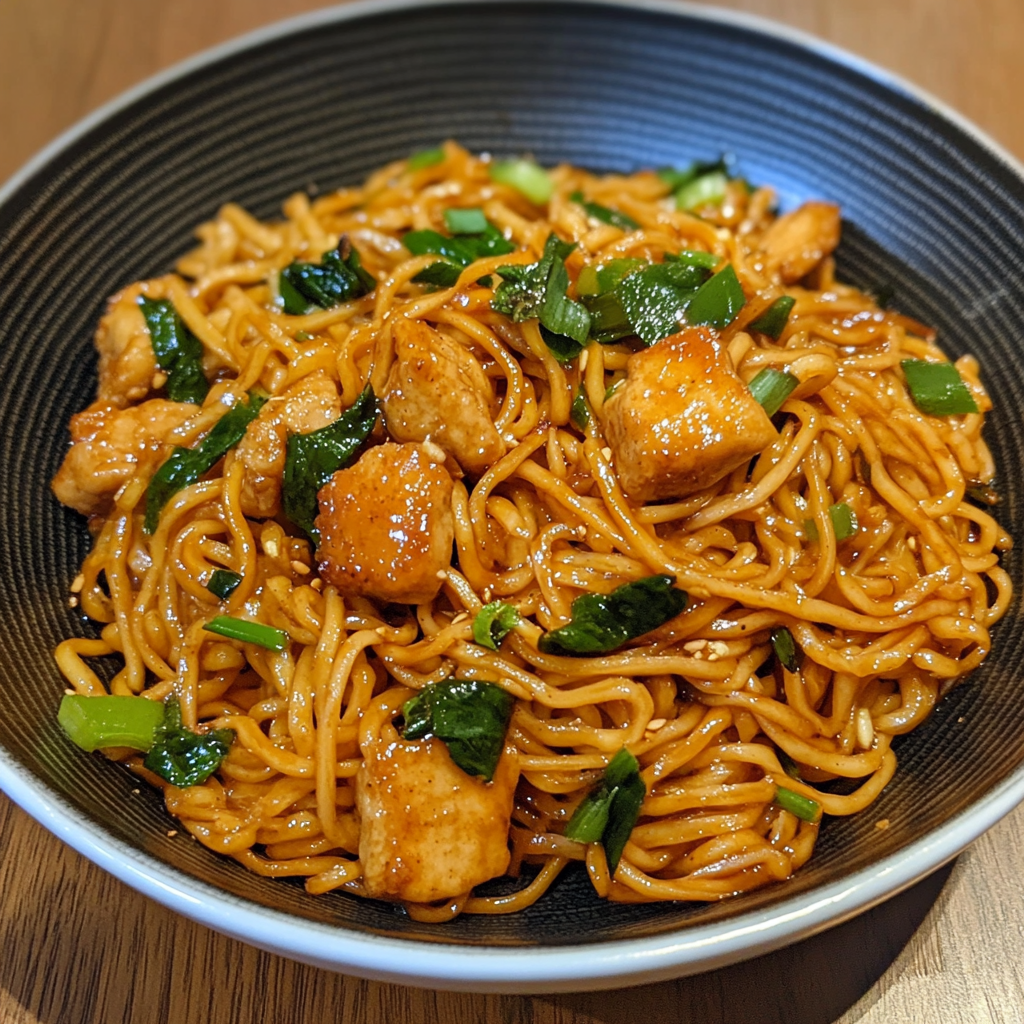
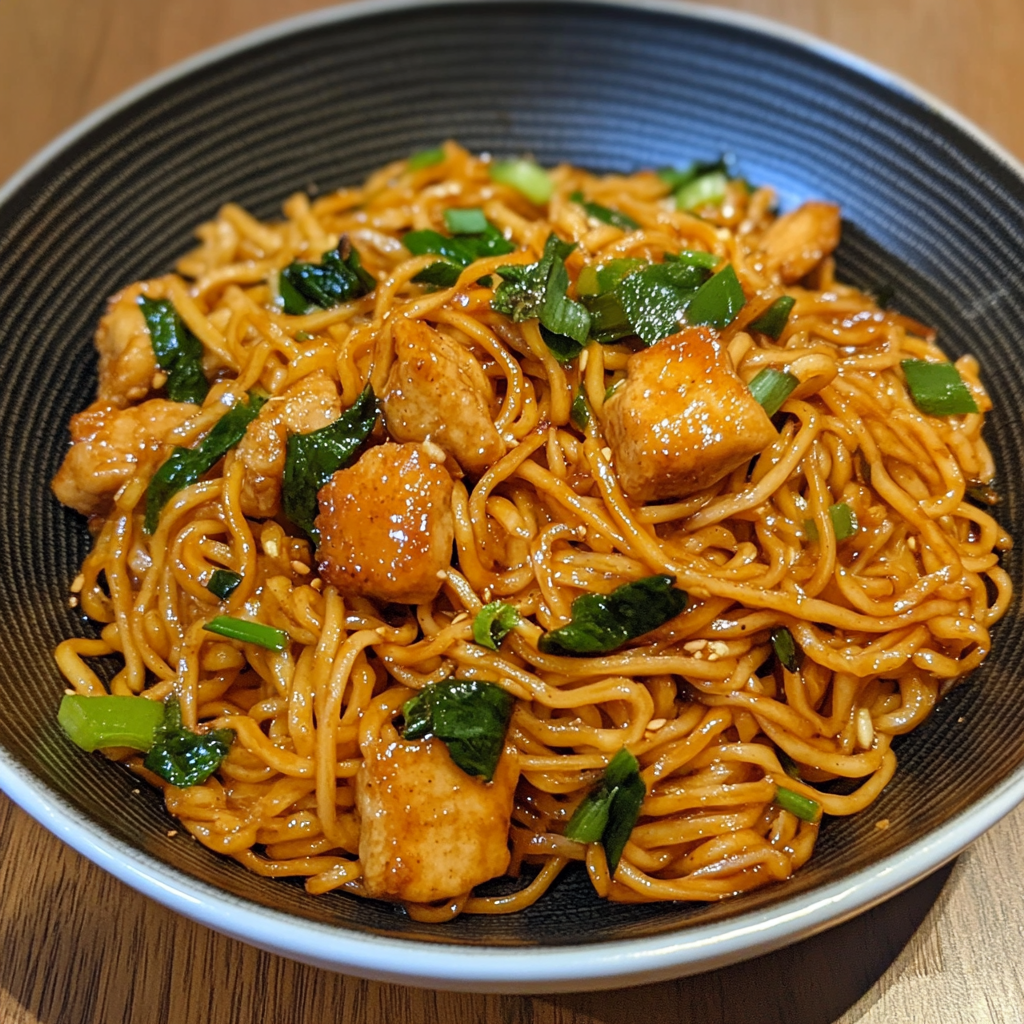
This fried saimin recipe turns thin, tender noodles into a quick Hawaiian-style stir-fry with browned Spam (or char siu), cabbage, carrots, egg and green onions, ready in about 25 minutes in one wok or skillet. It’s a lunch-counter and home-kitchen favorite in Hawaii, salty and savory with a little sweetness, and it’s a great way to turn leftover noodles and odds and ends of vegetables into a full meal. (The spelling “saimin” is the correct one. You’ll sometimes see it written “saimim,” including in this page’s web address.)
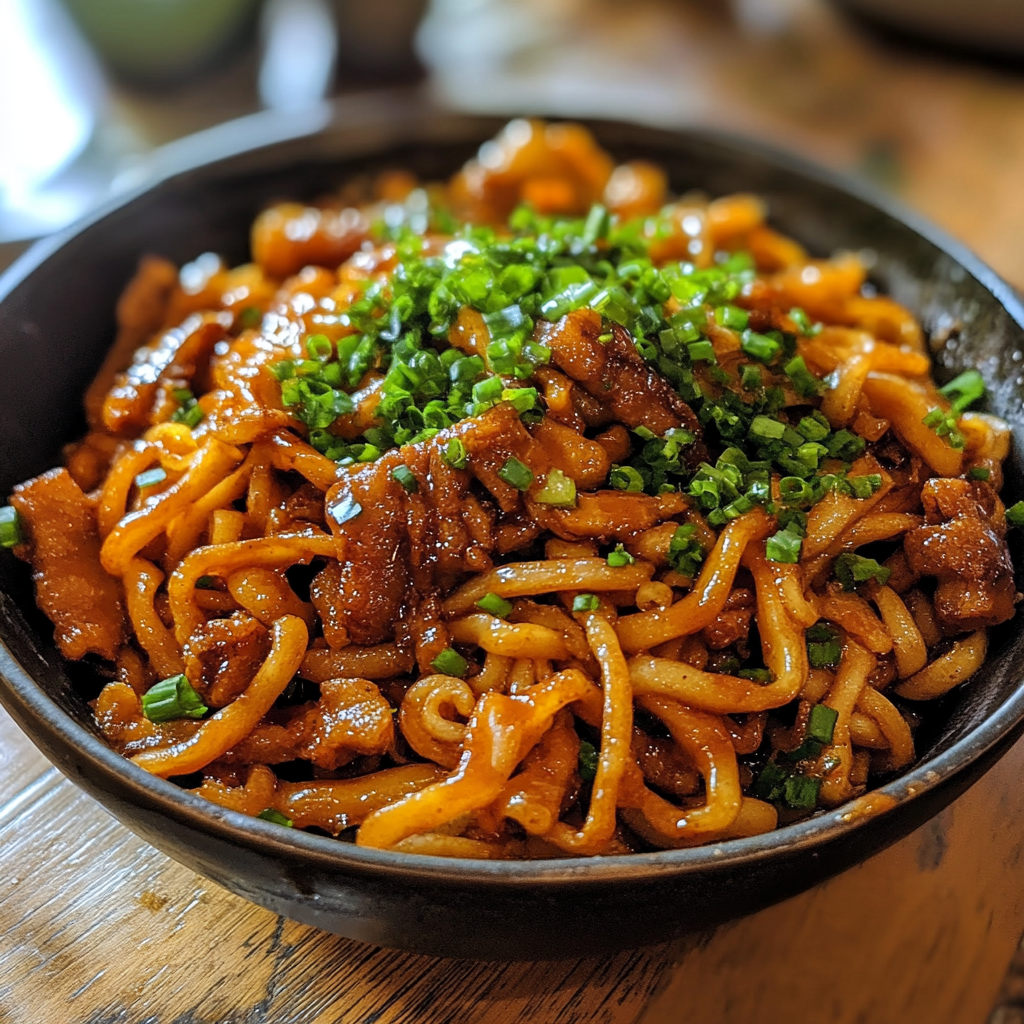
Fried Saimin Recipe: What It Is
Saimin is a Hawaiian noodle dish. It’s usually served as a soup, in a light broth with slices of fish cake, green onion, egg and pork, and it grew out of the mix of Chinese, Japanese, Filipino and Portuguese cooking on the islands’ plantations. The noodles are thin, soft wheat-and-egg noodles, a bit like ramen but gentler. Fried saimin is the same noodle, drained and stir-fried, so it’s closer to a Chinese chow mein or a Japanese yakisoba than to a soup.
The truth is simple: fried saimin is a Hawaii dish, and the noodles come out tender with some browned, slightly crisp edges where they touch the pan, not like deep-fried crispy noodles.
Which Noodles to Use
| Noodle | How close is it? | Notes |
|---|---|---|
| Saimin noodles | The real thing | Sold fresh or refrigerated in Hawaii, and in some Asian and international aisles elsewhere |
| Fresh ramen noodles | Very close | Thin, wavy ones are best; skip any flavor packet |
| Yakisoba noodles | Close | Slightly chewier; already sold for stir-frying |
| Thin egg noodles | Good | Cook 1 to 2 minutes less than the package says |
| Instant ramen blocks | Works in a pinch | Discard the seasoning packet, and cook until just tender |
| Rice noodles | Different, but gluten-free | Use with tamari, and don’t overcook |
Fried Saimin Recipe Ingredients
This serves four. Here are working quantities:
- 12 oz (340 g) saimin or similar noodles
- 6 oz (170 g) Spam, char siu, cooked chicken or shrimp, diced (or firm tofu)
- 2 eggs, beaten (optional)
- 3 cloves garlic, minced
- 3 cups shredded cabbage (about ¼ head)
- 1 carrot, cut into thin matchsticks
- 3 green onions, sliced
- 2 tablespoons neutral oil, plus 1 teaspoon sesame oil
- 2 tablespoons soy sauce and 1 tablespoon oyster sauce
- 1 teaspoon sugar, ¼ teaspoon white pepper, and a dash of fish sauce or chili flakes if you like
The Wok Sequence
- Prep the noodles. Boil them for 1 to 2 minutes less than the package says, so they’re just tender. Drain, rinse briefly under cool water, and drain very well. Toss with 1 teaspoon of oil so they don’t clump. Dry noodles stir-fry far better than wet ones.
- Brown the protein. Heat 1 tablespoon of oil in a wok or large skillet over medium-high heat. Cook the Spam until browned and a little crisp, about 3 to 4 minutes, then move it to a plate. (If you’re using raw chicken or shrimp, cook it through first. Chicken should reach 165°F.)
- Scramble the egg. Pour the beaten egg into the pan, scramble it into small curds, and move it to the plate with the protein.
- Cook the vegetables. Add the remaining oil, then the garlic and carrot for 30 seconds, then the cabbage. Stir-fry for 2 to 3 minutes until the cabbage wilts but still has some crunch.
- Add the noodles and sauce. Add the noodles and spread them out. Pour the soy sauce, oyster sauce and sugar around the edge of the pan, and toss everything for 2 to 3 minutes. For crisp edges, let the noodles sit undisturbed for 30 to 60 seconds between tosses.
- Finish. Return the protein and egg to the pan, add the white pepper, sesame oil and most of the green onions, and toss for 30 seconds. Taste, and adjust the salt, pepper or heat. Serve hot, topped with the rest of the green onions.
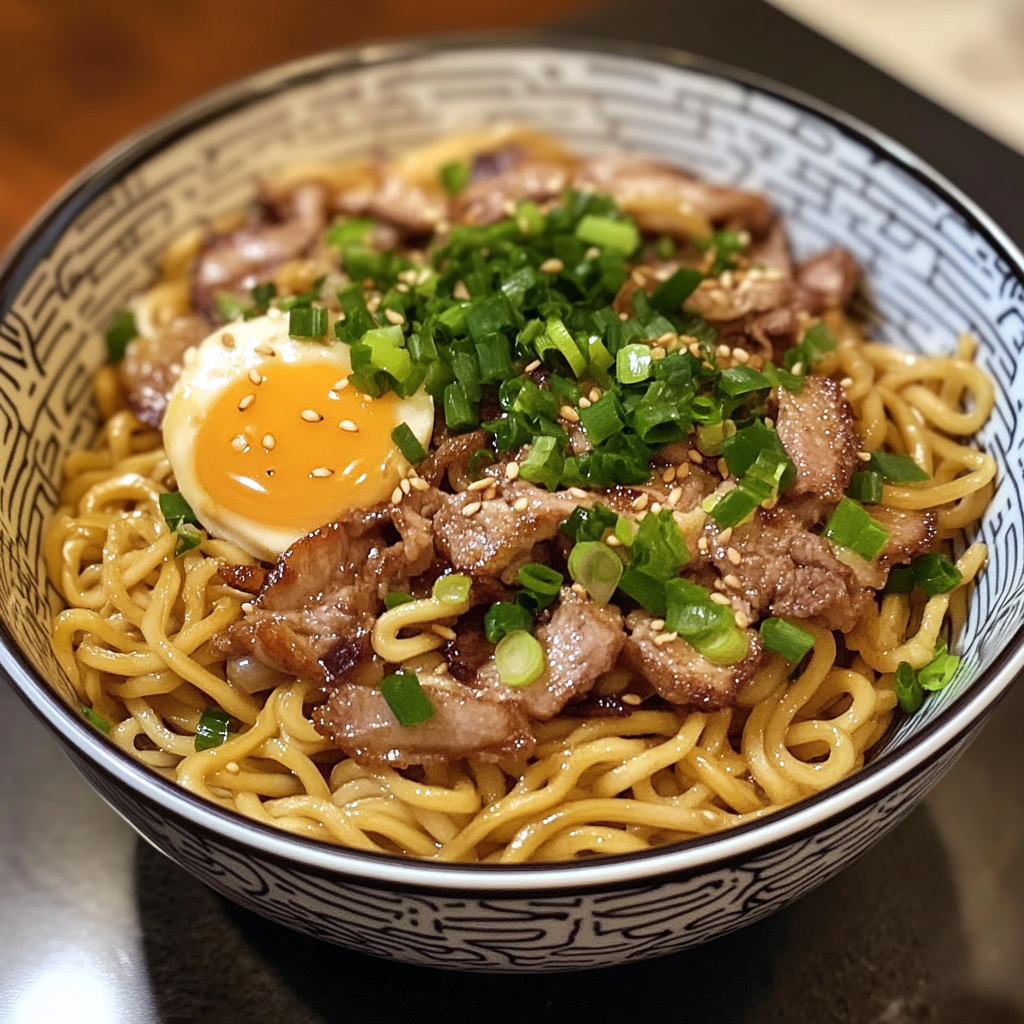
Fried Saimin Recipe Card
Fried Saimim
Equipment
- Wok or large frying pan
- Pot (for boiling noodles)
- Knife and chopping board
- Stirring spoon or spatula
- Strainer (for draining noodles)
Ingredients
- Saimim noodles or egg noodles, rice noodles, or instant ramen
- Soy sauce
- Oyster sauce optional
- Sesame oil
- Garlic minced
- Onions chopped
- Protein chicken, shrimp, pork, tofu, or tempeh
- Vegetables bell peppers, carrots, cabbage, bean sprouts, green onions
- Eggs optional, scrambled
- Chili sauce or red pepper flakes optional
- Fish sauce optional
- White pepper for seasoning
- Sugar a pinch for balancing flavor
Instructions
- Prepare the Noodles: Boil the saimim noodles according to the package instructions. Drain and set aside.
- Cook the Protein: Heat a tablespoon of sesame oil in a wok or large pan over medium-high heat. Add the protein (chicken, shrimp, or tofu) and cook until browned and cooked through. Remove from the pan and set aside.
- Sauté Vegetables: In the same pan, add a bit more oil if needed and sauté the garlic and onions until fragrant. Add the vegetables (carrots, bell peppers, cabbage) and stir-fry until slightly tender.
- Stir-fry Noodles: Push the veggies to the side and add the cooked noodles to the pan. Stir to combine and let them crisp slightly. Add the soy sauce, oyster sauce, and a dash of fish sauce (if using).
- Add Eggs (Optional): If using eggs, scramble them in the pan until cooked through and mix them with the noodles and vegetables.
- Combine and Serve: Add the cooked protein back to the pan, toss everything together, and season with white pepper and a pinch of sugar to taste. Serve hot, garnished with green onions or chili flakes for extra flavor.
Notes
Soft or Crisp-Edged?
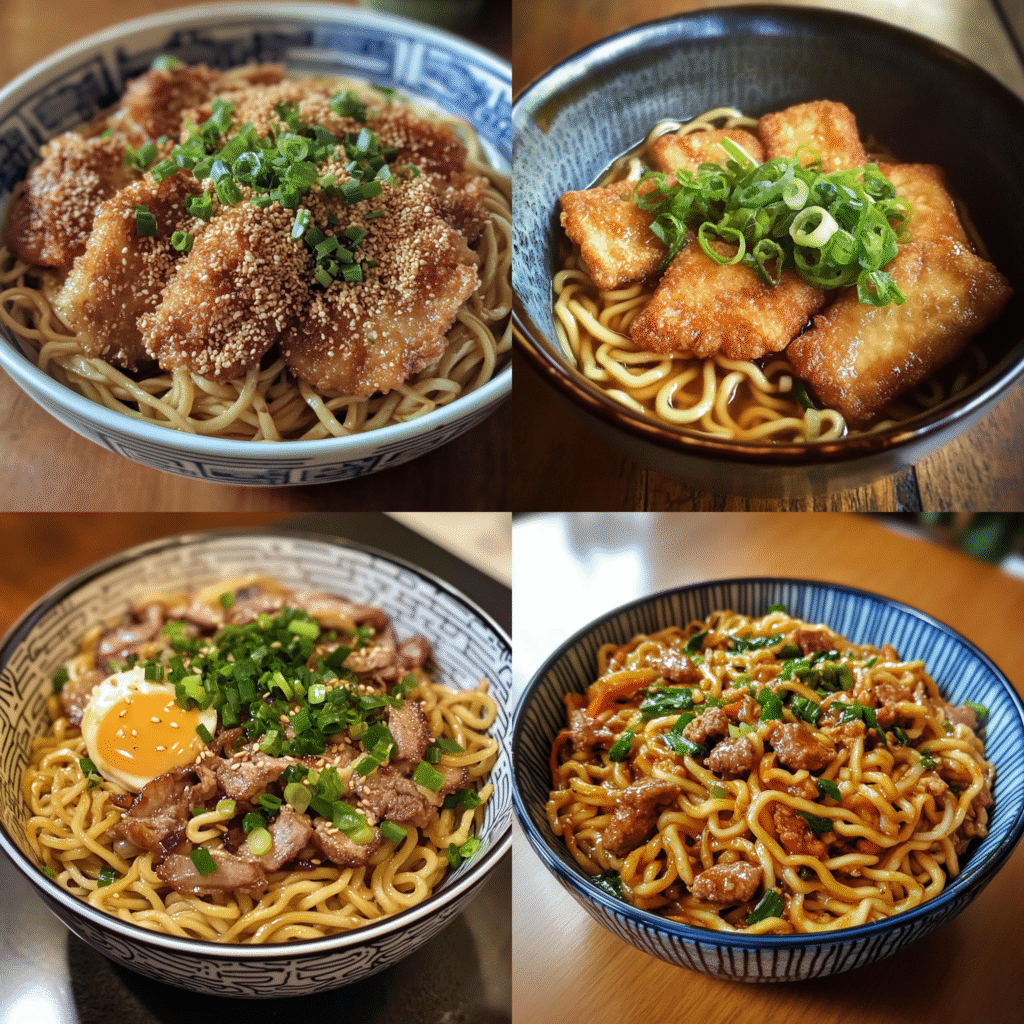
A matter of how long you let the noodles sit in the hot pan. For a soft, tender plate, toss constantly and take the pan off the heat as soon as the sauce is absorbed. For browned, slightly crispy edges, spread the noodles in a thin layer, leave them alone for a minute until they take on color, then flip in sections. A non-stick or well-seasoned carbon steel pan helps. A crowded pan steams, and noodles in a steamy pan turn mushy, so for a double batch, cook in two rounds.
Hawaiian-Style Toppings
Beyond Spam and char siu, the usual extras are sliced kamaboko (fish cake), crumbled nori, a fried egg on top, sliced Portuguese sausage, and plenty of green onion. A drizzle of sriracha or a spoonful of chili oil brings heat, and a squeeze of lime freshens it up. Vegetarian: use firm tofu, mushrooms and bean sprouts with extra soy sauce, and skip the oyster sauce and fish sauce.
What to Serve With It
It’s a full meal on its own, but a cold, crunchy side such as the sesame cucumber salad works well next to it. For a bigger Asian-inspired spread, add the Vietnamese shaking beef or the beef enoki rolls. To keep the island theme going, serve a tall glass of the Mai Tai mocktail, and for a salty-sweet snack in the Hawaiian crack-seed tradition, try the prune mui.
Fixes, Meal Prep and Leftovers
Mushy noodles: overcooked, or the pan was crowded. Undercook them slightly and use high heat. Too salty: Spam, soy sauce and oyster sauce all carry salt, so taste before adding more, and use low-sodium soy sauce. Bland: add a splash of fish sauce, another dash of soy sauce, or a pinch of sugar. Greasy: blot the Spam on a paper towel after browning. Clumped noodles: they weren’t rinsed and oiled after boiling.
For meal prep, boil the noodles and cut the vegetables ahead, then stir-fry just before eating. Refrigerate leftovers within 2 hours, keep them for up to 3 days, and reheat in a hot skillet with a splash of water for 2 to 3 minutes until steaming hot. Noodle dishes don’t freeze well. A realistic estimate for this amount is around 500 calories per serving. It contains wheat, egg, soy and (with oyster sauce) shellfish.
Questions About This Fried Saimin Recipe
What’s the difference between saimin and ramen? Saimin noodles are thinner and softer, and the soup is a lighter, fish-based broth. In a stir-fry, ramen noodles are a good substitute.
Do I have to use Spam? No. Char siu, cooked chicken, shrimp, bacon or tofu all work. Spam is the classic in Hawaii.
Can I make it gluten-free? Use rice noodles and gluten-free tamari, and check the label on your oyster sauce.
Can I use leftover noodles? Yes, cold, drained, day-old noodles stir-fry especially well.
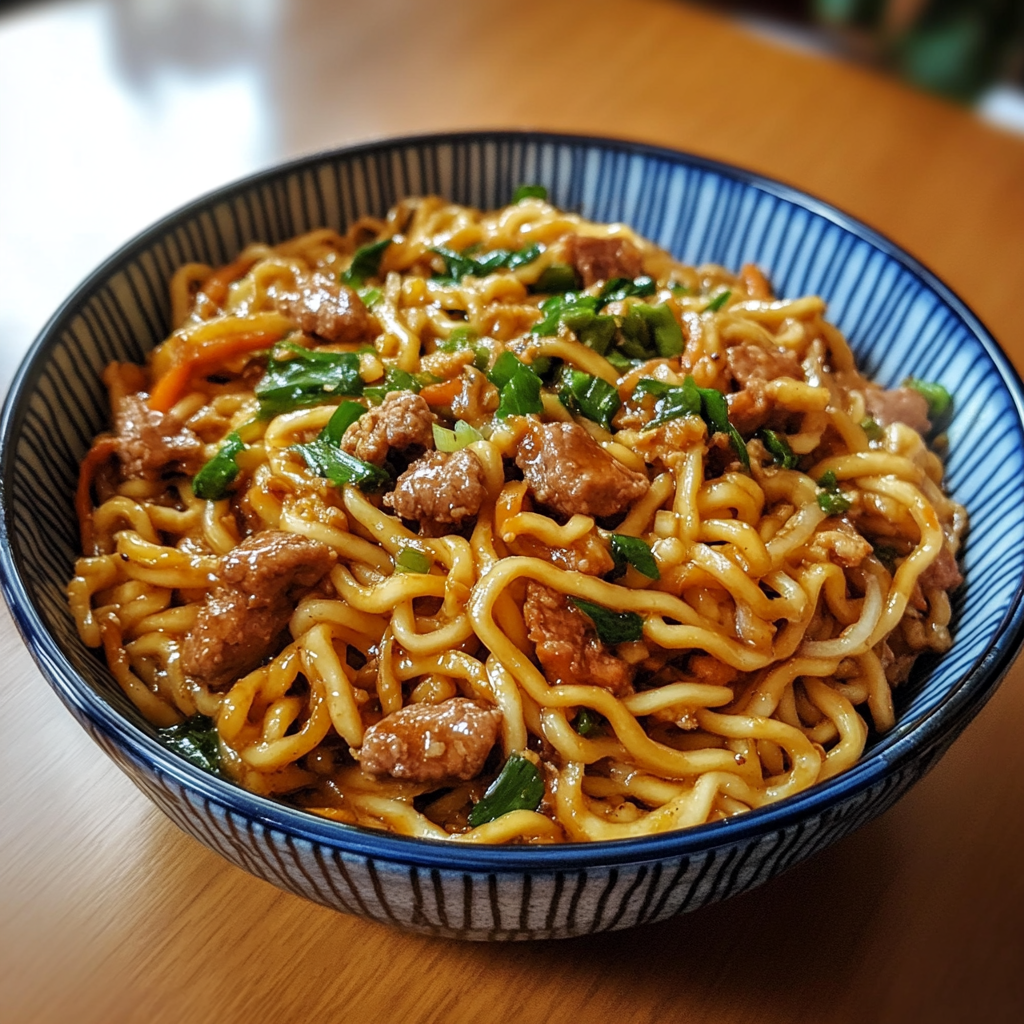
If you grew up eating fried saimin in Hawaii, tell me in the comments how your family makes it, especially which meat goes in. Notes from people who know the dish are worth more than any recipe.