
Have you ever been curious about how to make a cultured Raw Milk Yogurt Recipe at home? Well, now you’re going to learn just the amazing shortcut process! Pasteurized milk yogurts you buy at the store will not contain these naturally occurring enzymes or beneficial bacteria, so if you’re hoping to get that rich, deliciousness found only in raw yogurt, you’ll need a quart of freshly procured raw milk.
This guide will take you through every step of the way: selecting your starter culture, how to achieve that beautifully thick yogurt and a few tips on troubleshooting common dilemmas for perfect results! Whether you are just getting started with fermenting or a seasoned homesteader, this is the fail-proof method for having delicious raw milk yogurt in your mouth and on a spoon within 24 hours.
Why You’ll Love This Raw Milk Yogurt Recipe
Only 2 ingredients required: just raw milk and a yogurt starter culture, with no additives, thickeners, or preservatives.
Richer in probiotics and enzymes than pasteurized yogurt, supporting gut health with live cultures that survive the gentle culturing process.
Completely customizable texture: culture it longer for tangier, thicker yogurt or stop early for a milder, creamier result.
More economical than buying artisan or probiotic yogurt, especially if you already have access to a local raw milk source.
What Is Raw Milk Yogurt?
It is a fermented dairy product made from raw cow (or other animal) breastmilk combined with beneficial bacteria. Lactic acid bacteria consume lactose (the natural sugar found in milk) and ferment it into lactic acid.
This technique changes the texture, taste and thickness of milk, which is ultimately turned into a yogurt-like paste from a liquid state.
For millennia, yogurt has been made in more cultures than anyone today can possibly count. One of those was fermentation, which was one of the most frequently used methods to increase food shelf life before modern refrigeration.
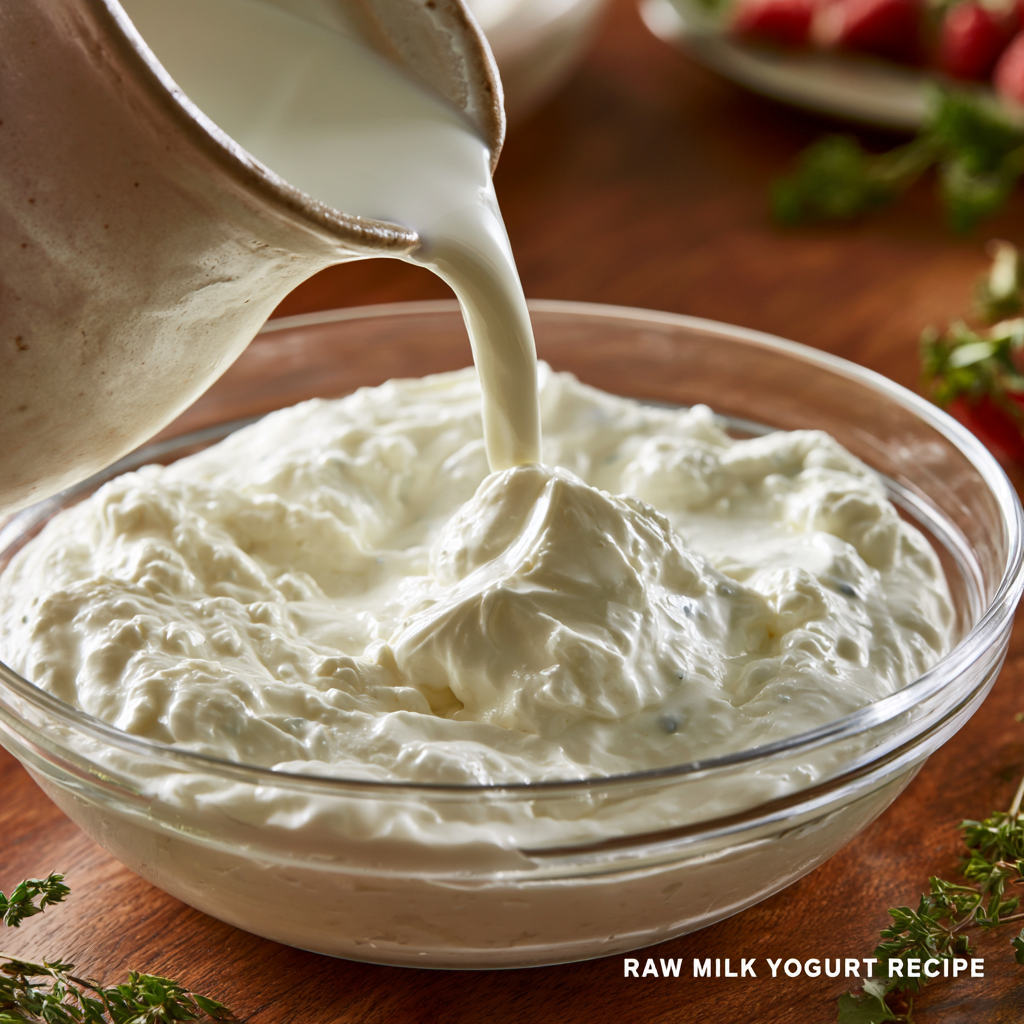
How Raw Milk Yogurt Is Different From Regular Yogurt
Although both products are created through fermentation, there are some differences between homemade raw milk yogurt and commercially produced yogurt.
| Feature | Raw Milk Yogurt | Commercial Yogurt |
|---|---|---|
| Ingredients | Fresh milk and live cultures | Often includes additives |
| Production | Small-batch homemade process | Industrial manufacturing |
| Flavor | Naturally tangy and fresh | Often sweetened or flavored |
| Texture | Depends on fermentation method | Usually standardized |
| Ingredient control | Complete control | Limited control |
Homemade yogurt allows you to choose:
- Added ingredients
- Milk quality
- Fermentation time
- Thickness
- Flavor
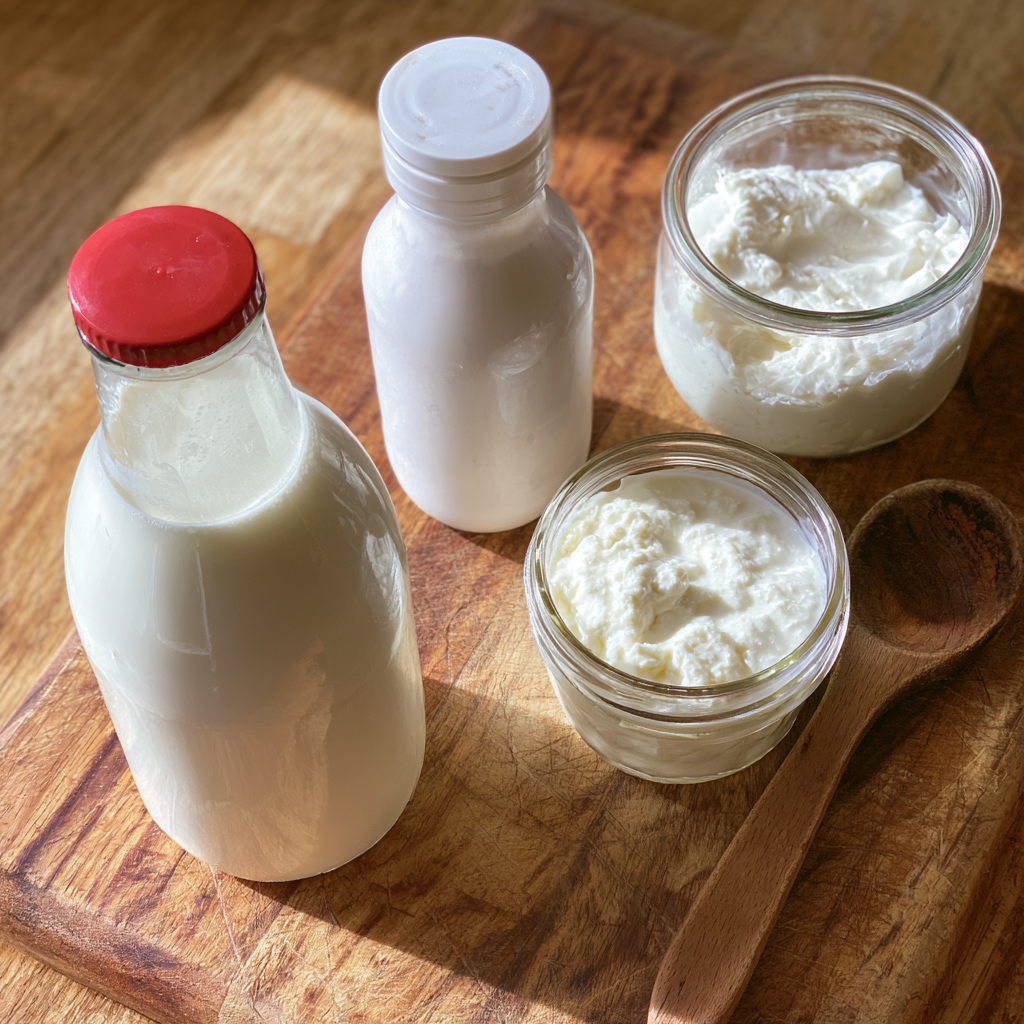
Why Make Homemade Raw Milk Yogurt?
There are several reasons people choose homemade yogurt instead of buying ready-made products.
1. Complete Control Over Ingredients
One major advantage of making your own yogurt is knowing exactly what goes into it.
A basic Raw Milk Yogurt Recipe requires only:
- Raw milk
- Yogurt starter culture
There are no unnecessary sweeteners, preservatives, or artificial ingredients.
2. Fresh Flavor and Better Texture
Fresh homemade yogurt often has a richer taste because it has not been stored for long periods.
Many people describe homemade yogurt as:
“Creamier, fresher, and more naturally flavorful than packaged yogurt.”
The final texture depends on:
- Milk fat content
- Fermentation duration
- Starter culture quality
- Temperature control
3. Traditional Fermentation Benefits
Fermented foods have been part of human diets for centuries.
Yogurt fermentation creates live bacterial cultures, including:
- Lactobacillus bulgaricus
- Streptococcus thermophilus
These microorganisms are responsible for yogurt’s unique flavor and texture.
Raw Milk Yogurt Recipe Ingredients
A simple homemade yogurt recipe does not require many ingredients.
Ingredients You Need
| Ingredient | Purpose |
|---|---|
| Fresh raw milk | Main yogurt base |
| Yogurt starter culture | Provides beneficial bacteria |
Optional ingredients:
- Nuts and seeds
- Raw honey for sweetness
- Fresh fruits
- Vanilla
- Cinnamon
Choosing the Best Milk for Yogurt
The quality of your milk directly affects your final yogurt.
For the best results:
- Use fresh milk.
- Choose high-quality milk from a trusted source.
- Use full-fat milk for a richer texture.
- Avoid milk with unusual odors or signs of spoilage.
Full-fat milk generally produces thicker and creamier yogurt because fat contributes to the mouthfeel.
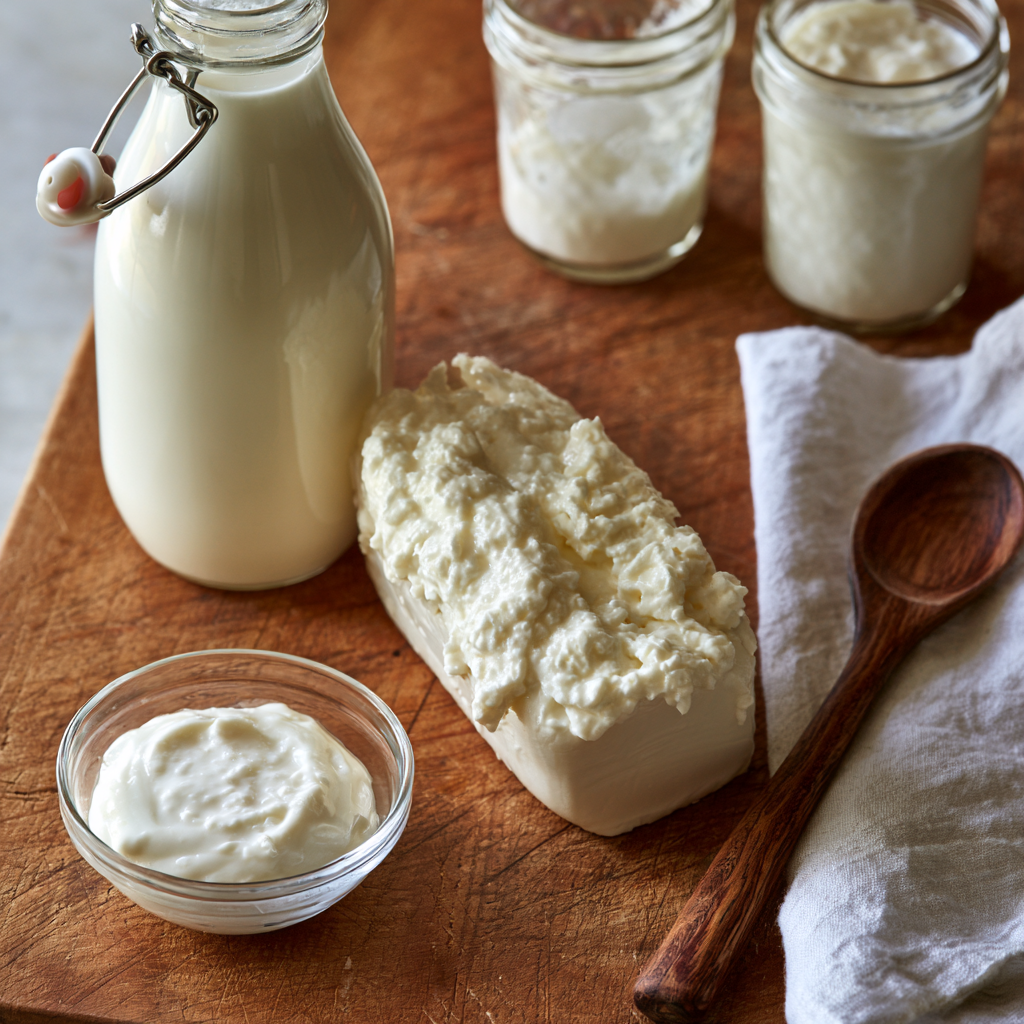
Equipment Needed for Making Raw Milk Yogurt
You do not need expensive equipment to prepare homemade yogurt.
Basic Equipment List
- Large clean saucepan
- Glass jars or containers
- Spoon
- Food thermometer
- Kitchen towel
- Insulated container or warm place
Optional equipment:
- Cheesecloth for Greek-style yogurt
- Yogurt maker
- Instant Pot with yogurt function
Can You Make Raw Milk Yogurt Without a Yogurt Maker?
Yes. A yogurt maker is convenient, but it is not necessary.
Traditional methods include:
Oven Method
The oven can maintain a warm environment for fermentation.
Steps:
- Place prepared yogurt inside glass jars.
- Keep jars in a warm oven.
- Allow fermentation for several hours.
Warm Kitchen Method
If your kitchen temperature is warm enough:
- Cover yogurt containers.
- Place them in a warm area.
- Allow natural fermentation.
Insulated Container Method
Many traditional yogurt makers simply use insulation.
Examples:
- Wrapped jars
- Thermal containers
- Warm blankets
The goal is maintaining a stable fermentation temperature.
How to Make Raw Milk Yogurt Recipe Step by Step
This section explains the complete process.
Step 1: Prepare the Milk
Start with fresh raw milk.
First:
- Clean all equipment.
- Pour milk into a clean container.
- Remove any unwanted particles if necessary.
Some people heat milk before making yogurt, while others prefer traditional raw fermentation.
Both approaches create yogurt, but the texture may differ.
Step 2: Add the Yogurt Starter
Once the milk reaches the correct temperature, add your starter culture.
A starter can be:
- Commercial yogurt starter powder
- A small amount of previous homemade yogurt containing live cultures
The starter provides the bacteria needed for fermentation.
Important Tip:
Do not add starter culture when milk is too hot because excessive heat can damage the beneficial bacteria.
Step 3: Allow the Yogurt to Ferment
Fermentation is the most important stage.
During this period:
- Bacteria multiply.
- Lactose converts into lactic acid.
- Milk proteins change structure.
- Yogurt becomes thicker.
Typical fermentation time:
| Fermentation Time | Result |
|---|---|
| 6–8 hours | Mild flavor |
| 10–12 hours | Balanced tanginess |
| 18–24 hours | Stronger flavor |
Longer fermentation usually creates a more sour yogurt.
Step 4: Chill the Yogurt
After fermentation:
- Place yogurt in the refrigerator.
- Allow it to cool completely.
- Avoid disturbing it while it sets.
Cooling improves:
- Flavor
- Thickness
- Texture
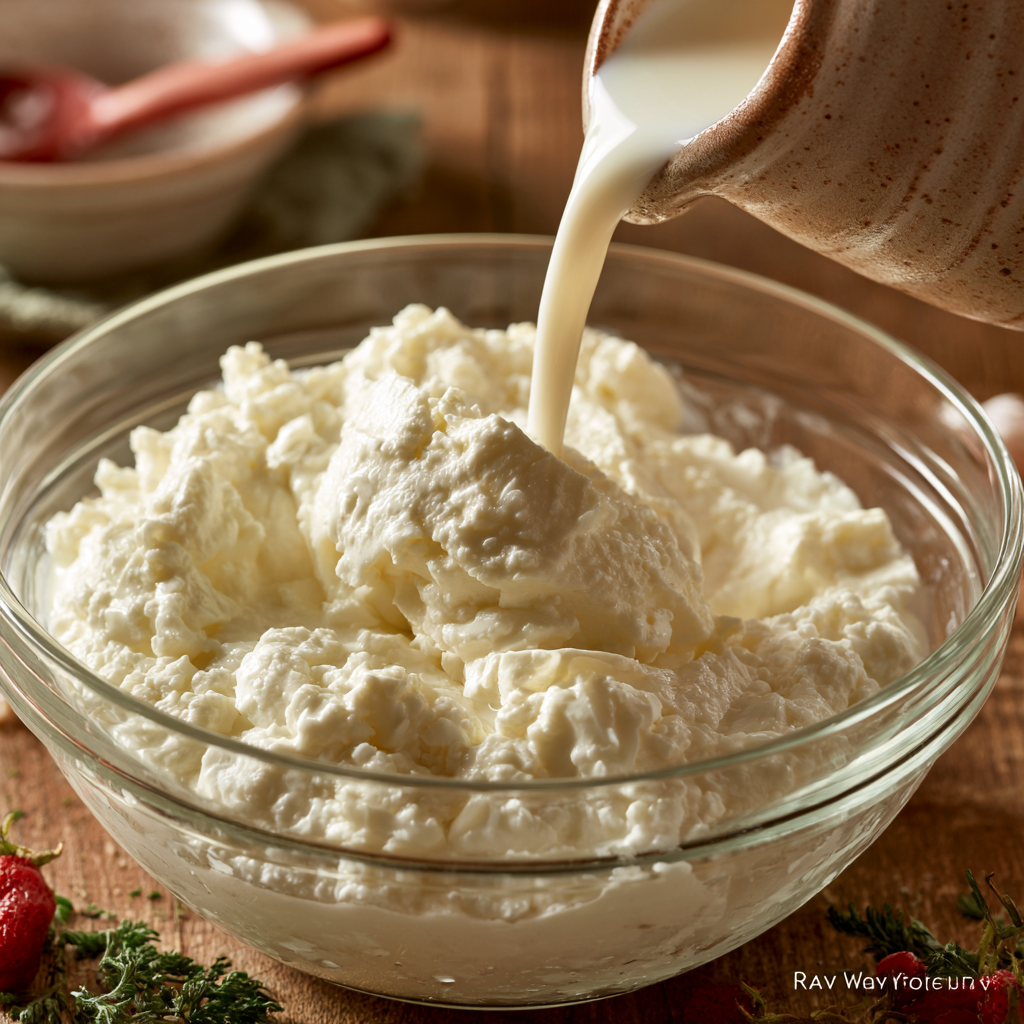
How Does Raw Milk Yogurt Fermentation Work?
Understanding fermentation helps you make better yogurt.
During fermentation, bacteria consume lactose and produce lactic acid.
This causes:
- Milk proteins to bind together.
- The liquid milk to become thicker.
- The flavor to become slightly sour.
The Science Behind Yogurt Making
The process involves:
Lactose Breakdown
Bacteria consume milk sugar.
↓
Acid Production
Lactic acid increases.
↓
Protein Transformation
Milk develops yogurt texture.
↓
Final Product
Creamy fermented yogurt.
Raw Milk Yogurt Recipe Without Heating Milk
Some people prefer a traditional raw method where milk is not heated.
Advantages
- Maintains the traditional preparation style.
- Requires fewer steps.
- Preserves the natural characteristics of raw milk.
Possible Challenges
- Texture may be thinner.
- Results may vary depending on milk quality.
- Fermentation requires careful temperature control.
For beginners, experimenting with small batches is recommended.
Tips for Making Thick and Creamy Homemade Yogurt
A successful Raw Milk Yogurt Recipe depends on several factors.
Use Full-Fat Milk
Higher fat content usually creates:
- Richer texture
- Creamier mouthfeel
- Better consistency
Use Fresh Starter Culture
Older starter cultures may contain weaker bacteria.
For best results:
- Use fresh yogurt starter.
- Replace starter regularly.
Keep Temperature Stable
Temperature fluctuations can slow fermentation.
A stable environment creates better results.
Avoid Disturbing Yogurt During Fermentation
Moving containers frequently can interfere with the setting process.
Allow yogurt to remain still until fermentation finishes.
Why Is My Raw Milk Yogurt Thin?
Thin yogurt is a common problem.
Possible reasons include:
| Problem | Solution |
|---|---|
| Weak starter culture | Use fresh starter |
| Low temperature | Keep yogurt warmer |
| Short fermentation | Ferment longer |
| Low-fat milk | Use full-fat milk |
| Movement during setting | Leave yogurt undisturbed |
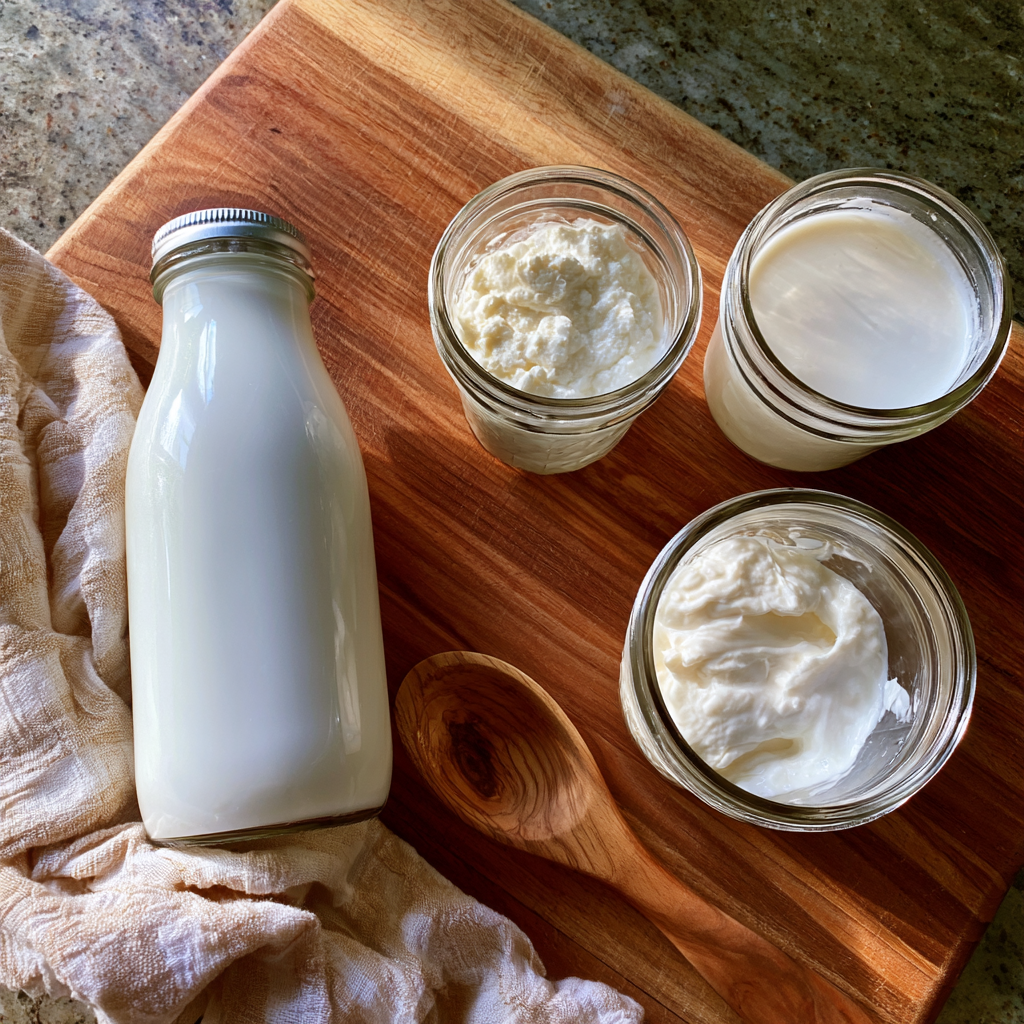
Health Benefits of Homemade Raw Milk Yogurt
Homemade yogurt is valued because it combines dairy nutrition with fermentation.
Nutritional Components
Raw milk yogurt can provide:
- Protein
- Calcium
- Phosphorus
- Vitamins
- Live cultures
However, nutritional content varies depending on:
- Processing method
- Milk source
- Animal diet
Raw Milk Yogurt Safety Tips
Food safety is an important part of making fermented dairy products.
Follow These Practices
- Use clean equipment.
- Store yogurt properly.
- Use fresh-quality milk.
- Monitor smell and appearance.
- Keep finished yogurt refrigerated.
Always consider local food safety guidance regarding raw milk consumption.
How Long Does Homemade Raw Milk Yogurt Last?
Properly stored yogurt can usually last several days to a couple of weeks in refrigeration.
Discard yogurt if you notice:
- Strange color changes
- Unusual mold growth
- Strong unpleasant smell
Different Ways to Enjoy Raw Milk Yogurt
Your homemade yogurt can be used in many ways.
Breakfast Ideas
- Yogurt with fruit
- Granola bowls
- Smoothies
- Honey and nuts
Cooking Uses
- Salad dressing
- Marinades
- Sauces
- Dips
Dessert Ideas
- Fruit yogurt bowls
- Frozen yogurt
- Yogurt parfaits
Frequently Asked Questions About Raw Milk Yogurt Recipe
Can You Make Yogurt From Raw Milk?
Yes, raw milk can be fermented into yogurt by introducing live bacterial cultures and maintaining suitable fermentation conditions.
Does Raw Milk Yogurt Have Probiotics?
Properly fermented yogurt contains live bacterial cultures that are commonly associated with probiotic foods.
How Long Does Raw Milk Yogurt Take to Make?
The fermentation process usually takes between 6 and 24 hours depending on temperature, starter strength, and desired flavor.
Why Is My Homemade Yogurt Not Thick?
The most common reasons are weak starter culture, incorrect temperature, short fermentation time, or milk composition.
Can I Use Store-Bought Yogurt as a Starter?
Yes, as long as it contains live active cultures.
What Temperature Is Best for Yogurt Fermentation?
Most yogurt cultures work best in a warm environment around 100–110°F (38–43°C).
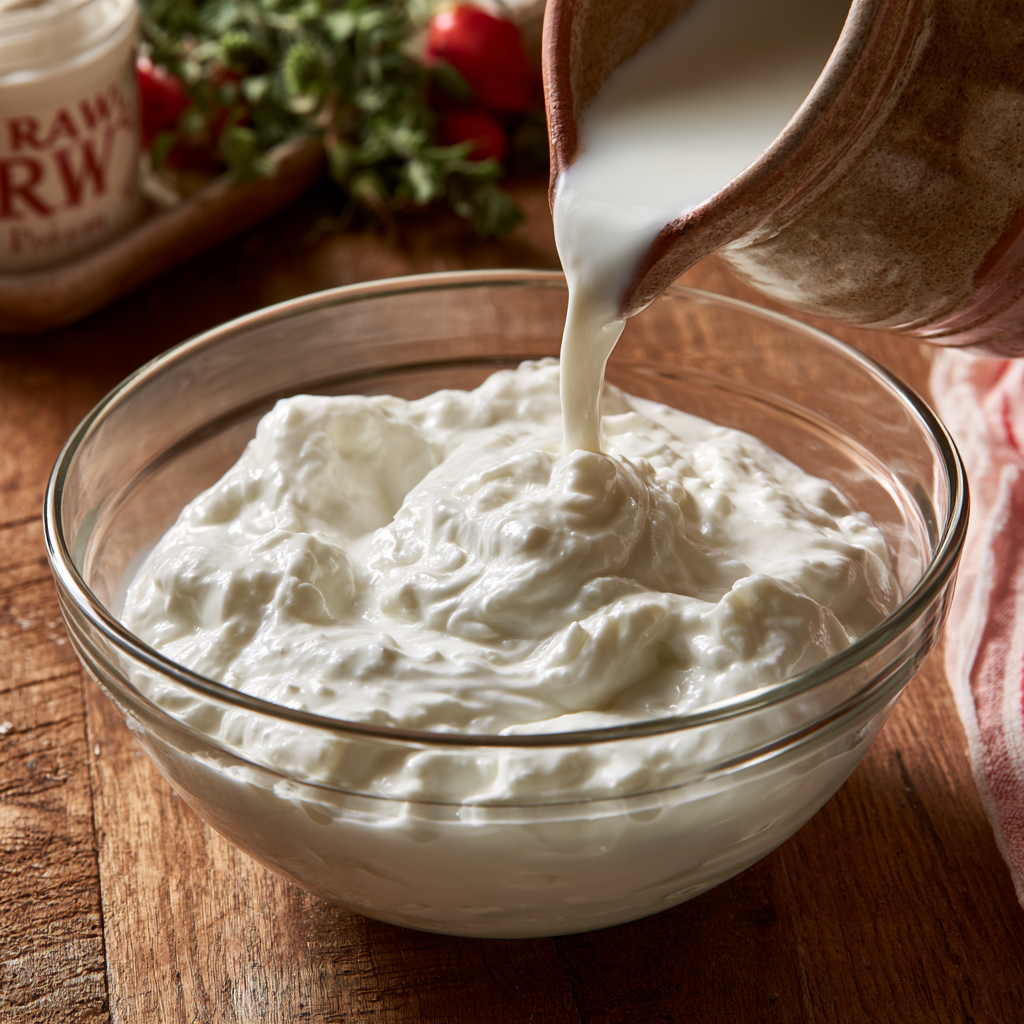
Final Thoughts: Making the Perfect Raw Milk Yogurt Recipe at Home
Creating homemade yogurt is a simple traditional process that requires only a few ingredients and some patience.
A good Raw Milk Yogurt Recipe depends on three important factors:
- Quality milk
- Strong live cultures
- Proper fermentation conditions
Once you understand the fermentation process, making fresh yogurt at home becomes easier and more consistent.
Whether you enjoy it for breakfast, cooking, or simply as a naturally fermented food, homemade raw milk yogurt offers a rewarding way to create a fresh dairy product in your own kitchen.
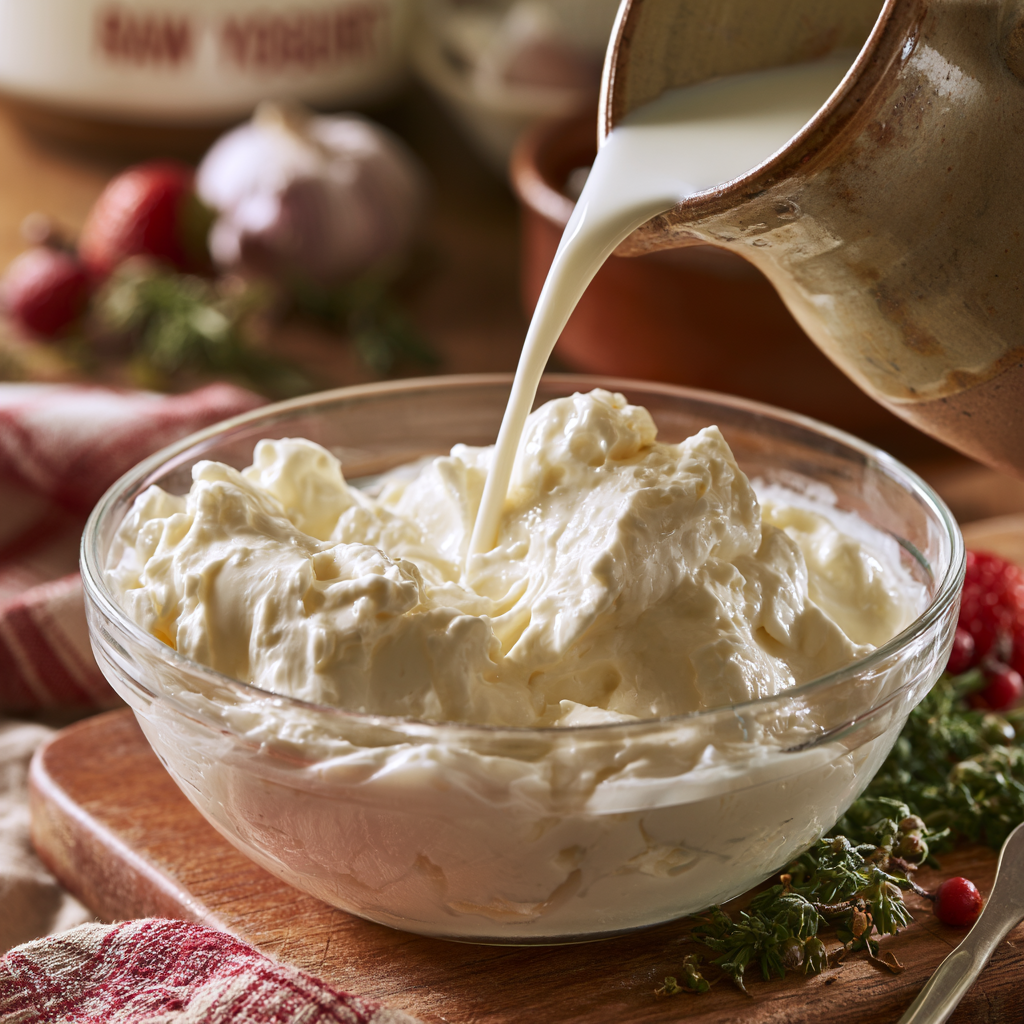
Raw Milk Yogurt Recipe
Ingredients
Equipment
Method
- Heat the milk gently until warm (about 110°F / 43°C).
- Mix the yogurt starter with a small amount of warm milk.
- Add the starter mixture back into the milk and stir gently.
- Pour into a clean glass jar.
- Cover and keep warm for 8–12 hours until the yogurt sets.
- Refrigerate for a few hours before serving.
Video
Notes
- Use fresh milk and a good-quality yogurt starter for the best results.
- Keep the yogurt warm and still while it ferments.
- Longer fermentation creates a tangier flavor.
- Store homemade yogurt in the refrigerator and use within about 7 days.
- Always use clean equipment to maintain good yogurt quality.