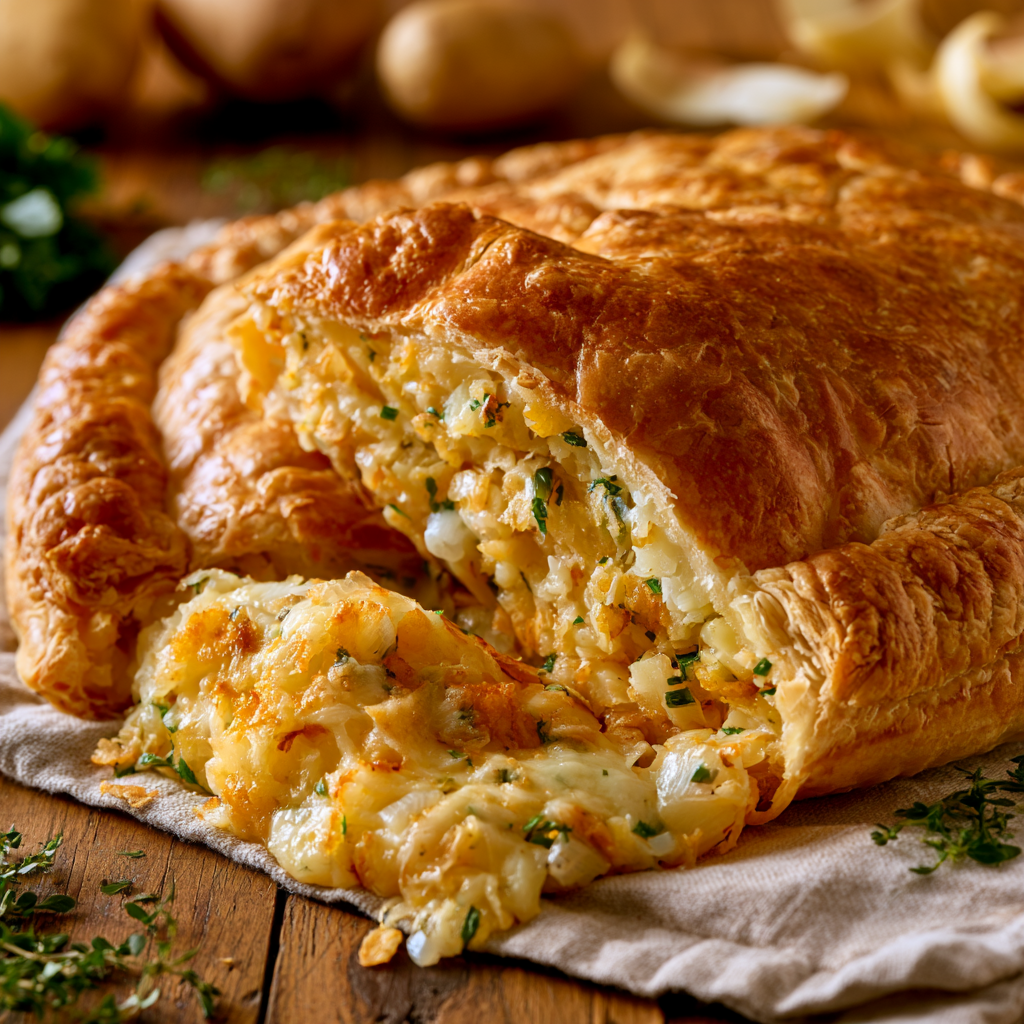
A potato peel pie is a creative way to transform leftover potato skins into a comforting savory dish instead of throwing them away. The recipe combines prepared potato peels with a flavorful filling, herbs, cheese, and a crisp pastry crust to create a rustic pie with a satisfying texture.
Many people search for a potato peel pie recipe because they want to use every part of the potato after cooking. This dish works especially well after making baked potatoes, mashed potatoes, or other recipes where clean potato skins are left behind.
This guide explains how to prepare the potato skins safely, build a balanced filling, avoid a soggy crust, and make a savory potato pie with potato skins that works as a main dish, lunch option, or side.
What Makes Potato Peel Pie Different?
Unlike a standard potato pie that relies mostly on mashed potatoes or sliced potatoes, this version highlights the potato peel itself. Properly cleaned and cooked potato skins add a slightly earthy flavor and a pleasant texture to the filling.
The key to a good potato peel pie is preparation. Potato skins need to be scrubbed well, softened before baking, and combined with ingredients that add moisture and flavor. Cheese, onions, herbs, and a creamy binder help balance the natural texture of the peels.
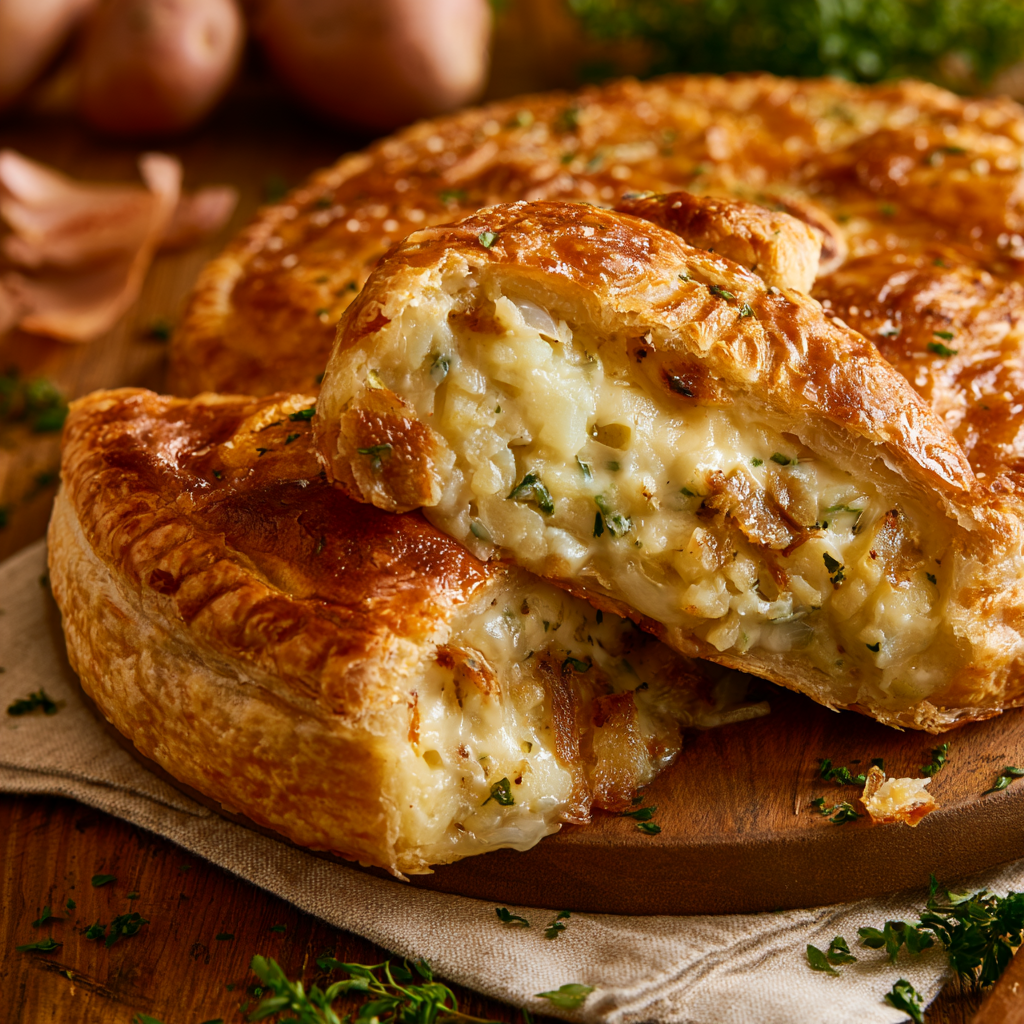
Choosing and Preparing Potato Skins
For this leftover potato peel recipe, use skins from firm potatoes that have been washed thoroughly before peeling.
Good options include:
- Russet potatoes for thicker, more textured skins
- Yukon Gold potatoes for a softer peel and buttery flavor
- White potatoes for a mild taste
Avoid using potato skins that are:
- green in color;
- heavily damaged;
- moldy;
- exposed to dirt that cannot be removed.
Wash potatoes under running water and scrub the surface before peeling. If the peels are already leftover from cooking, make sure they were stored properly and are still fresh.
Potato Skin Pie Ingredients
This recipe uses simple ingredients that complement the potato skins without overpowering them.
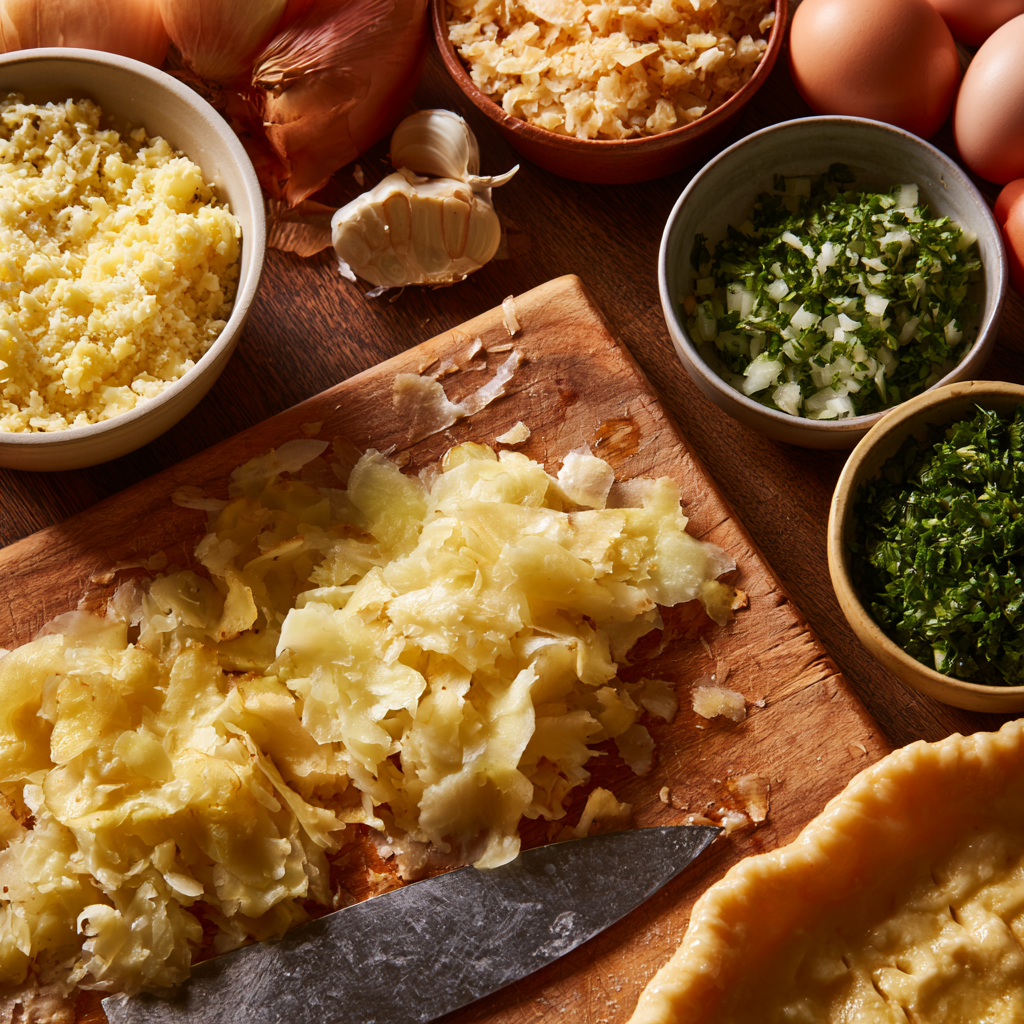
Ingredients
For the filling:
- 2 cups cleaned potato peels, finely chopped
- 1 tablespoon olive oil or butter
- 1 medium onion, finely diced
- 2 garlic cloves, minced
- 1 cup grated cheddar cheese or another melting cheese
- 2 large eggs
- ½ cup milk or cream
- 2 tablespoons chopped parsley or chives
- ½ teaspoon dried thyme
- ½ teaspoon salt, or to taste
- ¼ teaspoon black pepper
For the crust:
- 1 prepared pie crust or homemade pastry crust
- 1 tablespoon butter or oil for greasing the pie dish
Optional additions:
- cooked mushrooms for extra savoury flavor;
- cooked spinach for added texture;
- diced cooked bacon for a richer filling.
How to Make Potato Peel Pie
1. Prepare the Potato Peels
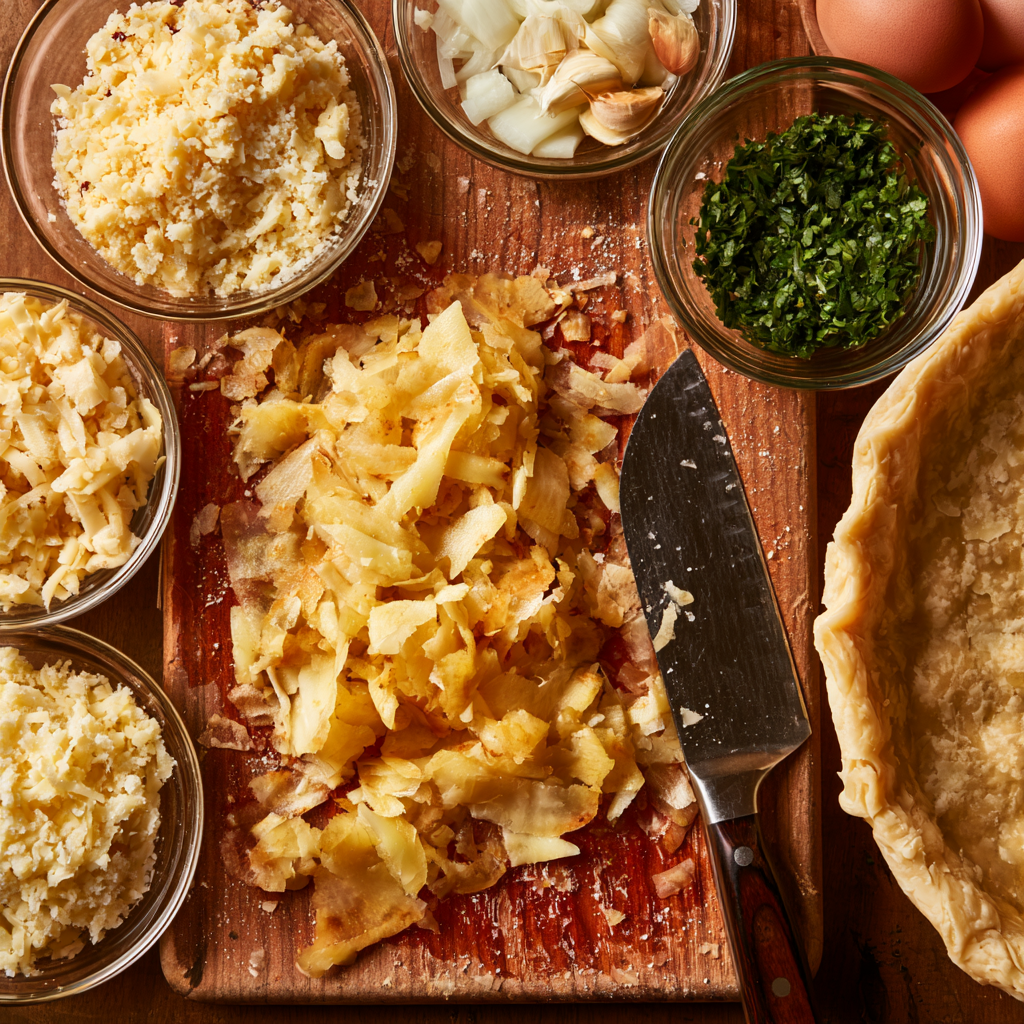
If using fresh potato peels, rinse them well and pat them dry. Chop the skins into small pieces so they blend evenly into the filling.
Bring a small pot of salted water to a boil. Add the potato peels and simmer for about 5–7 minutes until they soften slightly. Drain well and allow them to cool.
This step is important because raw potato skins may remain too firm during baking.
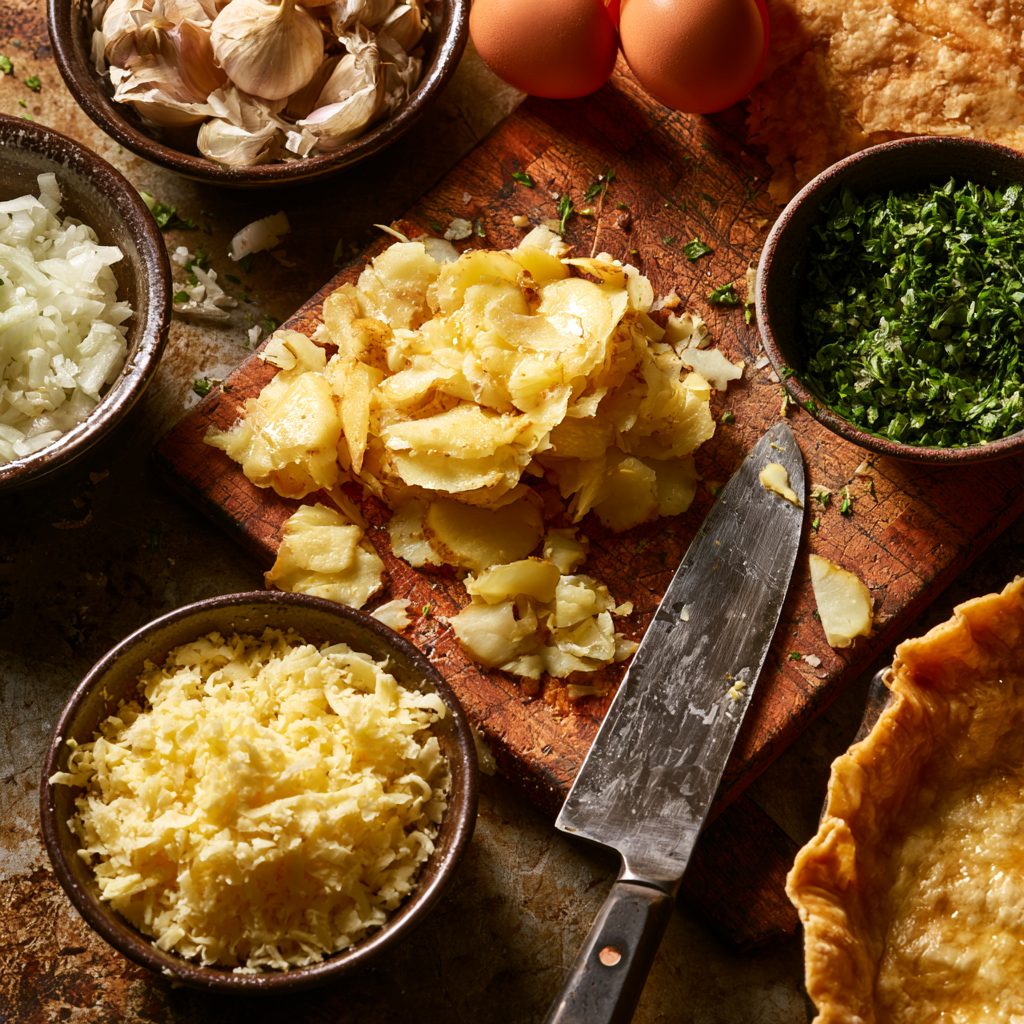
2. Build the Flavor Base
Heat olive oil or butter in a pan over medium heat. Add the onion and cook until softened and lightly golden.
Add garlic and cook briefly until fragrant. Avoid browning the garlic too much because it can create a bitter taste.
Mix in the softened potato peels and cook for another few minutes. This allows the skins to absorb the onion and garlic flavors.
Remove from heat and let the mixture cool slightly.
3. Prepare the Pie Filling
In a bowl, whisk together eggs and milk until combined.
Add the cooked potato peel mixture, grated cheese, herbs, salt, and pepper. Stir until everything is evenly distributed.
The filling should look moist but not watery. Excess liquid can make the crust soft instead of crisp.
4. Assemble the Pie
Preheat the oven to 375°F (190°C).
Place the pie crust into a greased pie dish. Trim the edges if needed.
Pour the potato peel filling into the crust and spread it evenly.
For a golden top, a small amount of extra cheese can be sprinkled over the surface before baking.
5. Bake Until Set
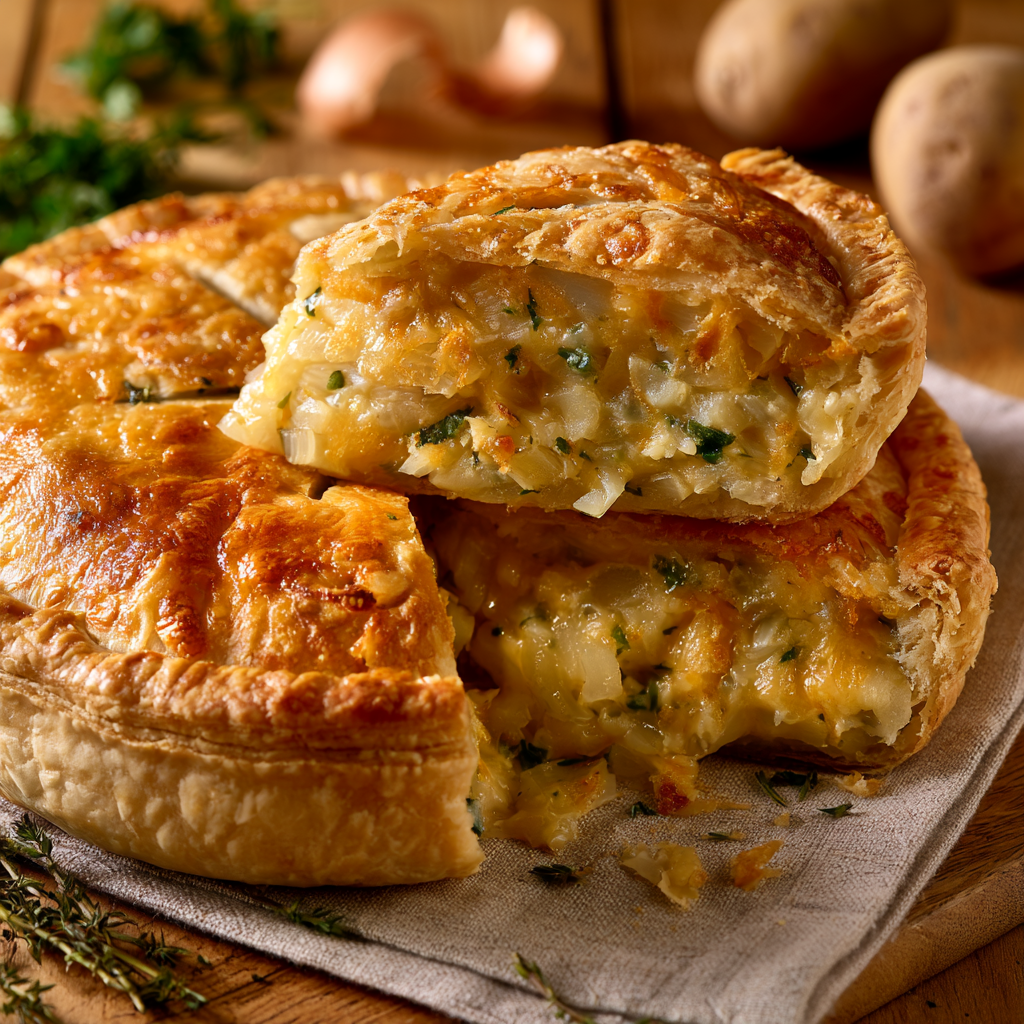
Bake for approximately 35–45 minutes, or until:
- the crust is golden brown;
- the center is firm;
- the filling no longer looks liquid.
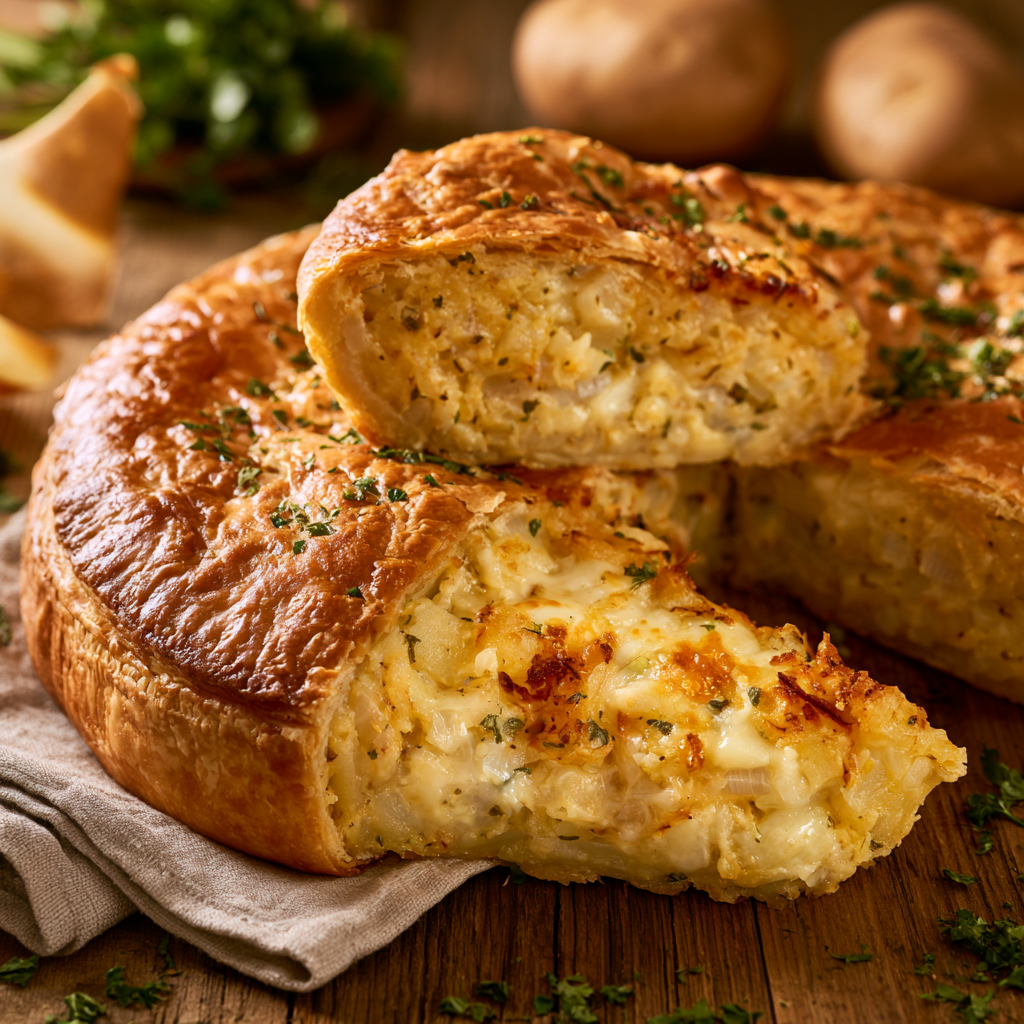
Allow the pie to rest for 10–15 minutes before slicing. This helps the filling hold its shape.
Tips for a Better Potato Peel Pie
Chop the Peels Evenly
Large pieces of peel can create a chewy texture. Smaller pieces distribute better throughout the filling.
Remove Excess Moisture
Potato skins hold water after boiling. Drain them thoroughly before mixing with other ingredients to prevent a watery pie.
Balance the Texture
Potato peels provide texture, while eggs, milk, and cheese create a softer filling. Keeping this balance prevents the pie from becoming either dry or heavy.
Do Not Overload the Filling
Adding too many extra ingredients can hide the flavor of the potato skins and make the pie difficult to set.
Common Problems and Solutions
The Pie Filling Is Too Wet
Possible cause: The potato peels contained too much water or too much milk was added.
Solution: Drain the cooked peels well and measure liquid ingredients carefully.
The Crust Becomes Soft
Possible cause: Warm filling was added directly to the crust or the filling contained excess moisture.
Solution: Allow the potato mixture to cool before assembling the pie.
The Potato Skins Feel Too Tough
Possible cause: The peels were not softened before baking.
Solution: Simmer the skins briefly before adding them to the filling.
Substitutions and Variations
Dairy-Free Version
Replace butter with olive oil and use a dairy-free cheese alternative. The texture may be slightly different because cheese helps bind and enrich the filling.
Different Cheese Options
Cheddar provides a stronger flavor, while mozzarella creates a milder, stretchier filling. Parmesan can be added in small amounts for extra savory notes.
Gluten-Free Option
Use a gluten-free pie crust or prepare the filling as a crustless baked dish.
Serving Suggestions
Potato peel pie can be served warm with:
- a fresh green salad;
- roasted vegetables;
- soup as part of a larger meal;
- a simple yogurt or herb sauce.
It works well as a lunch dish because it can be sliced into portions and reheated easily.
Storage and Reheating
Store leftover pie in a covered container in the refrigerator.
To reheat:
- warm individual slices in the oven for a crisp crust;
- use a microwave for convenience, though the crust may become softer.
The pie is best enjoyed within a few days when stored properly.
Potato Peel Pie
Ingredients
Equipment
Method
- Wash potato peels thoroughly and remove any damaged or green sections. Chop the peels into small pieces.
- Place the potato peels in a saucepan of lightly salted boiling water. Simmer for 5–7 minutes until slightly softened. Drain well and set aside.
- Heat olive oil or butter in a pan over medium heat. Add diced onion and cook until soft and lightly golden.
- Add minced garlic and cook for about 30 seconds. Stir in the softened potato peels and cook briefly to combine the flavors.
- In a bowl, whisk together eggs and milk. Add cheese, herbs, salt, and pepper.
- Mix the potato peel mixture into the egg mixture until evenly combined.
- Place the pie crust into a greased pie dish. Pour in the filling and spread evenly.
- Bake in a preheated oven at 375°F (190°C) for 35–45 minutes, until the crust is golden and the filling is set.
- Let the pie rest for 10–15 minutes before slicing and serving.
Video
Notes
FAQ:Potato Peel Pie Recipe
Can I use leftover potato skins from baked potatoes?
Yes, leftover potato skins can work well if they are clean, fresh, and have been stored properly. Chop them into smaller pieces before adding them to the filling.
Do potato peels need to be cooked before making pie?
Cooking the peels briefly before baking helps soften their texture and allows them to blend better with the other ingredients.
Can I make potato peel pie without a crust?
Yes. The filling can be baked in a greased dish as a crustless savory potato bake.
What potatoes work best for potato peel pie?
Potatoes with firm skins, such as russet or Yukon Gold varieties, are suitable because their peels hold their texture during cooking.