
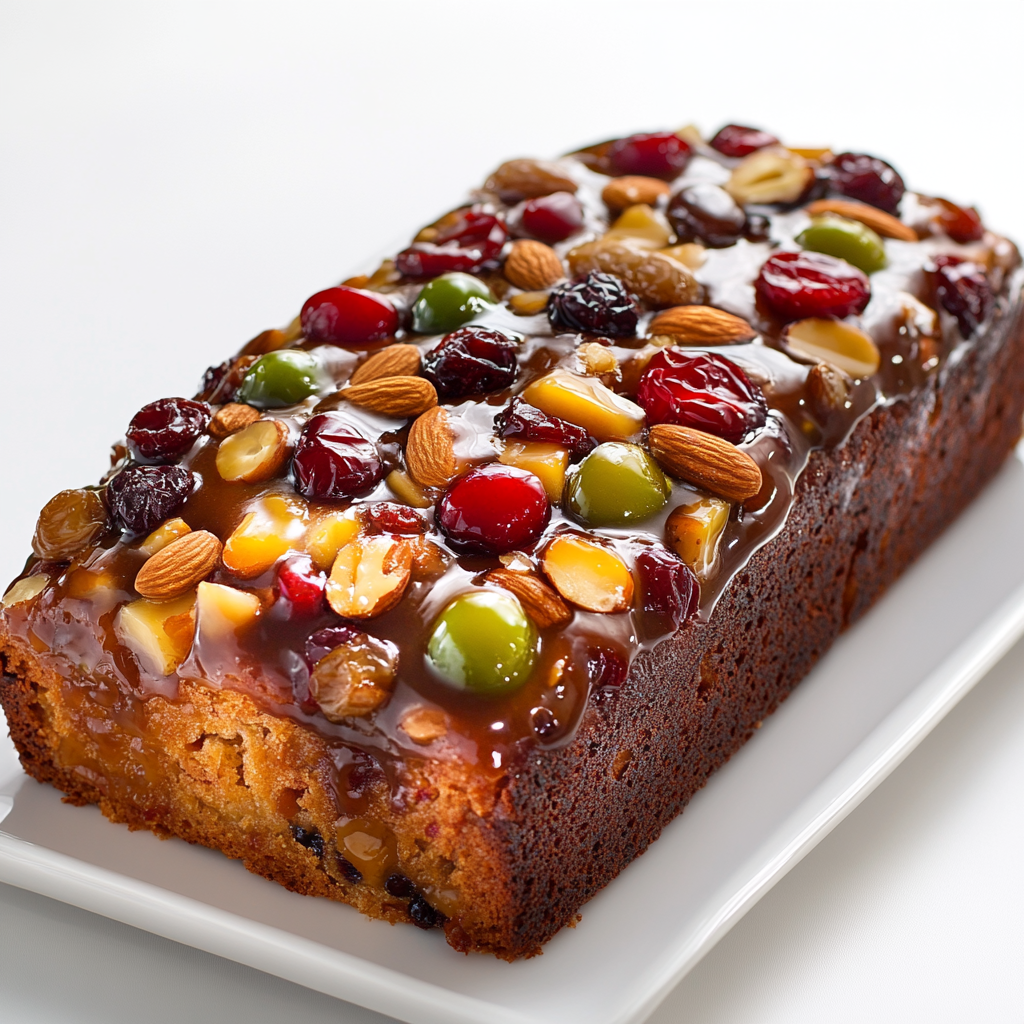
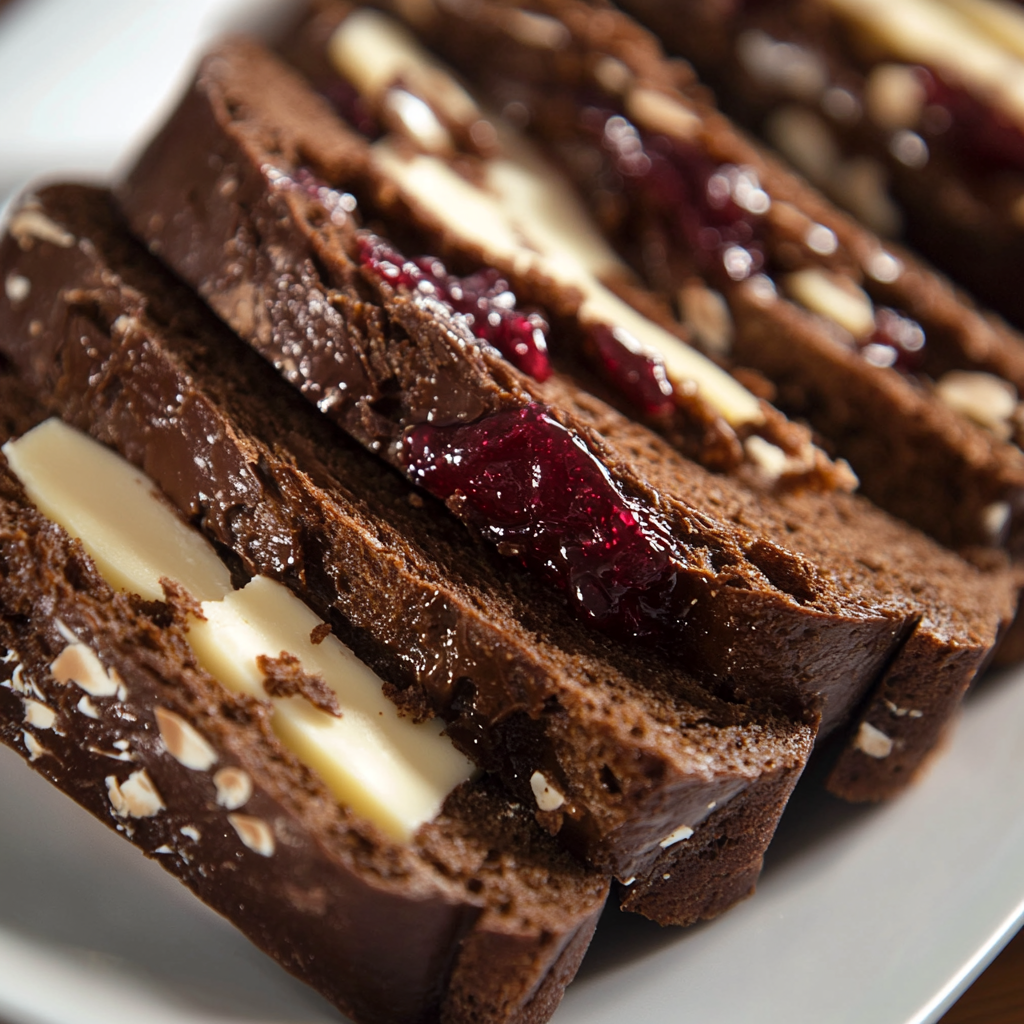
Few things say Easter in Jamaica like a dark, glossy slice of spiced bun pressed together with a thick slice of cheese. This Jamaican Easter bun recipe uses Dragon Stout, the sweet and malty Jamaican stout, to give the loaf its deep color, a gentle bitterness that balances the sugar, and a moist crumb that stays good for days. There is no yeast, no kneading and no mixer involved. The batter comes together in two bowls, bakes in a single loaf pan and gets a sticky honey glaze while it is still hot.
A plain spice loaf is not quite the same thing as a proper bun. To get the real look and taste you need three things: enough stout, a spoonful of molasses or browning for that near-black crumb, and plenty of fruit. This recipe has all three. Below you will find the full method step by step, how to tell when the bun is baked through, fixes for the most common problems, easy variations, and the best ways to store it.
- What Is a Jamaican Easter Bun?
- Why Dragon Stout Works So Well in Bun
- Ingredients for This Jamaican Easter Bun Recipe
- Equipment You Will Need
- How to Make Jamaican Easter Bun with Dragon Stout
- How to Know Your Bun Is Fully Baked
- Common Problems and How to Fix Them
- Variations to Try
- How to Serve Jamaican Easter Bun
- Storing and Freezing
- Jamaican Easter Bun Recipe FAQs
- Final Thoughts
What Is a Jamaican Easter Bun?
Jamaican Easter bun, usually just called “bun”, is a sweet, spiced fruit loaf eaten through Lent and especially over Good Friday and the Easter weekend. Its roots go back to the English hot cross bun, which arrived with British colonial rule. Over time, Jamaican bakers turned the small yeasted roll into a large sliceable loaf, darkened it with molasses, and filled it with raisins, mixed peel and warm spices such as nutmeg, cinnamon and pimento, the local name for allspice.
Most homemade buns today are quick breads raised with baking powder instead of yeast, which makes them easy to bake at home. In shops they are sold wrapped in plastic in every size, from small rounds to large loaves, and the classic way to eat them is bun and cheese: a slice of bun with a slice of processed cheddar-style cheese. It is one of the best-known Easter traditions in Jamaican cuisine, and the habit has travelled with Jamaican families to the UK, Canada and the United States.
Why Dragon Stout Works So Well in Bun
Dragon Stout is brewed in Jamaica and is noticeably sweeter and smoother than many dry Irish-style stouts. It tastes of dark malt, caramel and a hint of molasses, which is exactly the flavor profile a bun is built around. In this recipe it does three jobs at once:
- Color: the dark malt deepens the crumb, so you need less browning or molasses to get that classic brown-black look.
- Flavor: the roasted, slightly bitter edge keeps a very sweet loaf from tasting flat and makes the spices stand out.
- Moisture: a full cup of liquid stout keeps the crumb tender, and the bun actually tastes better a day after baking.
If you cannot find Dragon Stout, Guinness Foreign Extra Stout or any other sweet stout is the closest swap. For an alcohol-free bun, use a malt beverage such as Malta in the same amount. The flavor is a little sweeter but the color and texture stay very close.
Ingredients for This Jamaican Easter Bun Recipe
Everything here is easy to find in a regular supermarket, apart from the stout and browning, which are sold in most Caribbean and international food stores. Exact amounts are in the recipe card further down.
- All-purpose flour: 3 cups gives a sturdy crumb that holds plenty of fruit without crumbling.
- Baking powder: the only leavening, so check that yours is fresh.
- Spices: cinnamon, nutmeg (freshly grated if you have it), allspice and a pinch of cloves.
- Dark brown sugar: adds moisture and a caramel note. Light brown sugar works but the bun will be paler.
- Dragon Stout: one full cup, measured after the foam settles.
- Molasses or browning: for the deep color and a slightly bittersweet finish.
- Butter: melted, so no creaming is needed.
- Egg and vanilla: the egg binds the batter, the vanilla rounds out the spices.
- Dried fruit: raisins plus mixed peel or chopped glacé cherries.
- Glaze: honey, brown sugar and a splash of water, brushed on hot.
Molasses or Browning?
Browning is a Caribbean burnt-sugar sauce used mainly for color. It is very concentrated, so 1 tablespoon is enough for one loaf. Molasses adds both color and flavor; use 2 tablespoons of regular (unsulphured) molasses. Blackstrap molasses is much more bitter, so if that is all you have, use only 1 tablespoon and add a little extra brown sugar.
Choosing the Fruit
Raisins are the standard, and currants or sultanas work just as well. Mixed candied peel adds a citrus note, while red glacé cherries give the bright spots you see in many bakery buns. For extra-plump fruit, soak it in a few tablespoons of the stout for 30 minutes, then drain well before using. Whatever you choose, toss it in a spoonful of flour before it goes into the batter so it does not sink.
Equipment You Will Need
- A 9×5-inch (23×13 cm) loaf pan and parchment paper
- A small saucepan for warming the stout mixture
- Two mixing bowls, a whisk and a rubber spatula
- A wooden skewer or an instant-read thermometer
- A pastry brush for the glaze
How to Make Jamaican Easter Bun with Dragon Stout
The whole process takes about 20 minutes of hands-on work. Most of the time is baking and cooling, and the bun is best when it rests overnight before slicing.
1. Prepare the Oven and Pan
Heat the oven to 350°F (175°C) with a rack in the middle. Grease the loaf pan and line it with a strip of parchment that hangs over the two long sides. The overhang makes it easy to lift the sticky, glazed bun out later.
2. Warm the Stout Mixture
Pour the stout into a small saucepan and add the dark brown sugar, molasses (or browning) and butter. Warm over low heat, stirring, just until the sugar dissolves and the butter melts. Do not let it boil. Take it off the heat and let it cool until it feels only slightly warm, about 10 minutes, then whisk in the egg and vanilla. If the mixture is too hot, the egg will start to cook.
3. Mix the Dry Ingredients
While the stout mixture cools, whisk the flour, baking powder, cinnamon, nutmeg, allspice, cloves and salt in a large bowl. Whisking for a good 30 seconds spreads the baking powder and spices evenly, which helps the bun rise without streaks.
4. Coat the Fruit
Place the raisins and mixed peel or cherries in a small bowl and toss them with 1 tablespoon of the flour mixture until every piece is lightly dusted. This thin coating helps the fruit cling to the batter instead of dropping to the bottom.
5. Bring the Batter Together
Pour the stout mixture into the dry ingredients and stir with a spatula just until no dry flour remains. The batter should be thick and glossy, a little looser than cookie dough. Fold in the fruit. Stop as soon as it is evenly spread, because overmixing makes a quick bread tough.
6. Bake Low and Slow
Scrape the batter into the pan and smooth the top. Bake for 60 to 70 minutes. The sugar and molasses brown quickly, so check at 40 to 45 minutes and lay a loose sheet of foil over the top if it is already dark. The bun is ready when a skewer in the center comes out clean.
7. Glaze While Hot
A few minutes before the bun is done, simmer the honey, brown sugar and water in a small pan for about a minute until syrupy. As soon as the bun comes out of the oven, brush the glaze all over the top. The heat helps it soak in slightly and set to a shiny, sticky finish.
8. Cool, Wrap and Rest
Let the bun cool in the pan for 15 minutes, then lift it out with the parchment and cool completely on a rack. Once cool, wrap it tightly in plastic wrap or foil and leave it at room temperature overnight. The crumb firms up, the flavors settle, and the slices come out clean instead of crumbly.
How to Know Your Bun Is Fully Baked
A dense, fruit-heavy loaf can look done on the outside long before the center is set. Use more than one check:
| Test | What you want to see |
|---|---|
| Skewer in the center | Comes out clean or with a few moist crumbs, never wet batter |
| Internal temperature | About 200 to 205°F (93 to 96°C) on an instant-read thermometer |
| Top of the loaf | Firm and springy; a crack along the middle is normal |
| Sides | Pulling away slightly from the pan |
Common Problems and How to Fix Them
| Problem | Likely cause | How to fix it |
|---|---|---|
| Fruit sank to the bottom | Fruit not floured or batter too thin | Toss fruit in flour and measure the stout exactly |
| Gummy, dense center | Underbaked or overmixed | Bake until 200°F inside and stir only until the flour disappears |
| Dry, crumbly slices | Overbaked or sliced while warm | Start checking early, then wrap and rest overnight |
| Top too dark before center is set | Oven runs hot or no foil tent | Tent with foil after 40 to 45 minutes and use an oven thermometer |
| Bitter aftertaste | Blackstrap molasses or too much browning | Use regular molasses and measure browning carefully |
Variations to Try
Alcohol-Free Bun
Swap the stout for the same amount of Malta or another malt drink. Reduce the brown sugar by 2 tablespoons, since malt drinks are sweeter than stout.
Extra-Fruity Bun
Add up to half a cup more fruit, such as chopped prunes, dates or dried cranberries. Keep the total fruit under 2 cups so the batter can still hold it.
Ginger and Orange Bun
Add 1 teaspoon of ground ginger with the spices and the finely grated zest of one orange to the stout mixture. It pairs very well with the mixed peel.
Mini Buns
Divide the batter among 12 greased muffin cups or small loaf pans. Bake at the same temperature and start checking at 25 minutes. Small buns make easy Easter gifts.
How to Serve Jamaican Easter Bun
The traditional pairing is bun and cheese. Cut a thick slice of bun, add a slice of processed cheddar or a sharp cheddar, and top with a second slice of bun if you like it as a sandwich. The salty cheese against the sweet, spiced bread is the whole point.
Bun is also good on its own with a cup of tea or coffee, or lightly toasted with salted butter. Leftover slices that start to dry out make an excellent base for a fruity bread pudding. If you enjoy Caribbean baking, try this soft Belizean johnny cake next, and for more spiced fruit bakes, the old-fashioned Bible cake and these soft gingerbread cookies follow the same warm flavor theme.

Storing and Freezing
- Room temperature: wrapped tightly, the bun keeps for up to 5 days and stays moist.
- Refrigerator: wrapped, it keeps for up to 2 weeks. Bring slices to room temperature before eating.
- Freezer: freeze the whole loaf or individual slices separated with parchment for up to 3 months. Thaw in the wrapping at room temperature.
- Refreshing: warm a slice for a few seconds in the microwave or toast it lightly to bring back the soft texture.
Jamaican Easter Bun Recipe FAQs
Can I make Jamaican Easter bun without stout?
Yes. Use the same amount of Malta, ginger beer or strong brewed black tea. The bun will be slightly lighter in flavor, so do not skip the molasses or browning.
Does the alcohol cook out?
Most of it evaporates during the long bake, but baked goods can still hold small amounts of alcohol. If you need a completely alcohol-free bun, use a malt drink instead.
What cheese is served with Easter bun?
In Jamaica it is usually processed cheddar-style cheese, often sold in tins. Any firm cheddar, mild or sharp, works well.
Why is my bun not dark enough?
Light brown sugar, too little molasses or a lighter stout will all give a paler loaf. Use dark brown sugar and add 1 teaspoon more browning next time.
How far ahead can I bake it?
Bake it one or two days before Easter. Wrapped tightly, the flavor and texture improve as it rests.
Can I use whole wheat flour?
Replace up to one third of the all-purpose flour with whole wheat flour. More than that makes the bun heavy and dry.
Jamaican Easter Bun Recipe with Dragon Stout
Equipment
- Oven
- Loaf pan (9×5 inch)
- Mixing bowls
- Sifter
- Wooden spoon or spatula
- Measuring cups and spoons
- Parchment paper (optional)
- Cooling rack
- Whisk (optional for dry ingredients)
Ingredients
- 3 cups all-purpose flour 375 g, plus 1 tbsp for the fruit
- 1 tablespoon baking powder
- 1 teaspoon ground cinnamon
- 1 teaspoon ground nutmeg freshly grated if possible
- 1/2 teaspoon ground allspice pimento
- 1/4 teaspoon ground cloves
- 1/2 teaspoon salt
- 1 cup Dragon Stout 240 ml; or another sweet stout
- 1 cup dark brown sugar packed, 200 g
- 2 tablespoons molasses or 1 tbsp browning
- 3 tablespoons unsalted butter melted
- 1 large egg
- 1 teaspoon vanilla extract
- 1 cup raisins or currants
- 1/2 cup mixed peel or chopped glacé cherries
For the glaze
- 2 tablespoons honey
- 1 tablespoon brown sugar
- 1 tablespoon water
Instructions
- Prep: Heat the oven to 350°F (175°C). Grease a 9×5-inch loaf pan and line it with parchment, leaving an overhang on the long sides.
- Warm the stout mixture: In a small saucepan over low heat, stir the stout, dark brown sugar, molasses and butter until the sugar dissolves. Do not boil. Cool for about 10 minutes until just warm, then whisk in the egg and vanilla.
- Mix the dry ingredients: In a large bowl, whisk the flour, baking powder, cinnamon, nutmeg, allspice, cloves and salt.
- Coat the fruit: Toss the raisins and mixed peel with 1 tablespoon of the flour mixture.
- Make the batter: Pour the stout mixture into the dry ingredients and stir just until no dry flour remains. Fold in the fruit.
- Bake: Spread the batter in the pan and bake 60 to 70 minutes, until a skewer in the center comes out clean (about 200°F / 93°C inside). Tent with foil after 40 to 45 minutes if the top is getting dark.
- Glaze: Simmer the honey, brown sugar and water for 1 minute. Brush over the bun as soon as it comes out of the oven.

- Cool and rest: Cool 15 minutes in the pan, lift out and cool completely on a rack. Wrap tightly and rest overnight before slicing. Serve with cheese.

Notes
- No Dragon Stout? Use Guinness Foreign Extra or another sweet stout. For an alcohol-free bun, use Malta and reduce the brown sugar by 2 tablespoons.
- Browning vs molasses: use 1 tbsp browning or 2 tbsp regular molasses. If using blackstrap, use only 1 tbsp.
- Best texture: wrap the cooled bun and let it rest overnight. Slices are cleaner and the flavor is deeper.
- Mini buns: bake in 12 muffin cups and start checking at 25 minutes.
- Storage: up to 5 days wrapped at room temperature, 2 weeks in the fridge, or 3 months frozen.
- Nutrition: values are estimates per slice (1/12 of the loaf), calculated from the ingredients listed.
Final Thoughts
A good bun is dark, moist, packed with fruit and full of warm spice, and this Jamaican Easter bun recipe with Dragon Stout gets you there with one bowl of dry ingredients, one saucepan and a loaf pan. Bake it a day ahead, wrap it well and serve it with a thick slice of cheese for a true taste of Easter in Jamaica.