
This communion wafer recipe makes thin, plain, unleavened wafers from just flour and water, baked until pale and crisp. It takes about 25 minutes and makes roughly 40 small wafers, which is enough for a small home gathering, a Bible study group or a personal devotion. Before you bake, it’s worth checking what your own church tradition requires, because the rules differ.
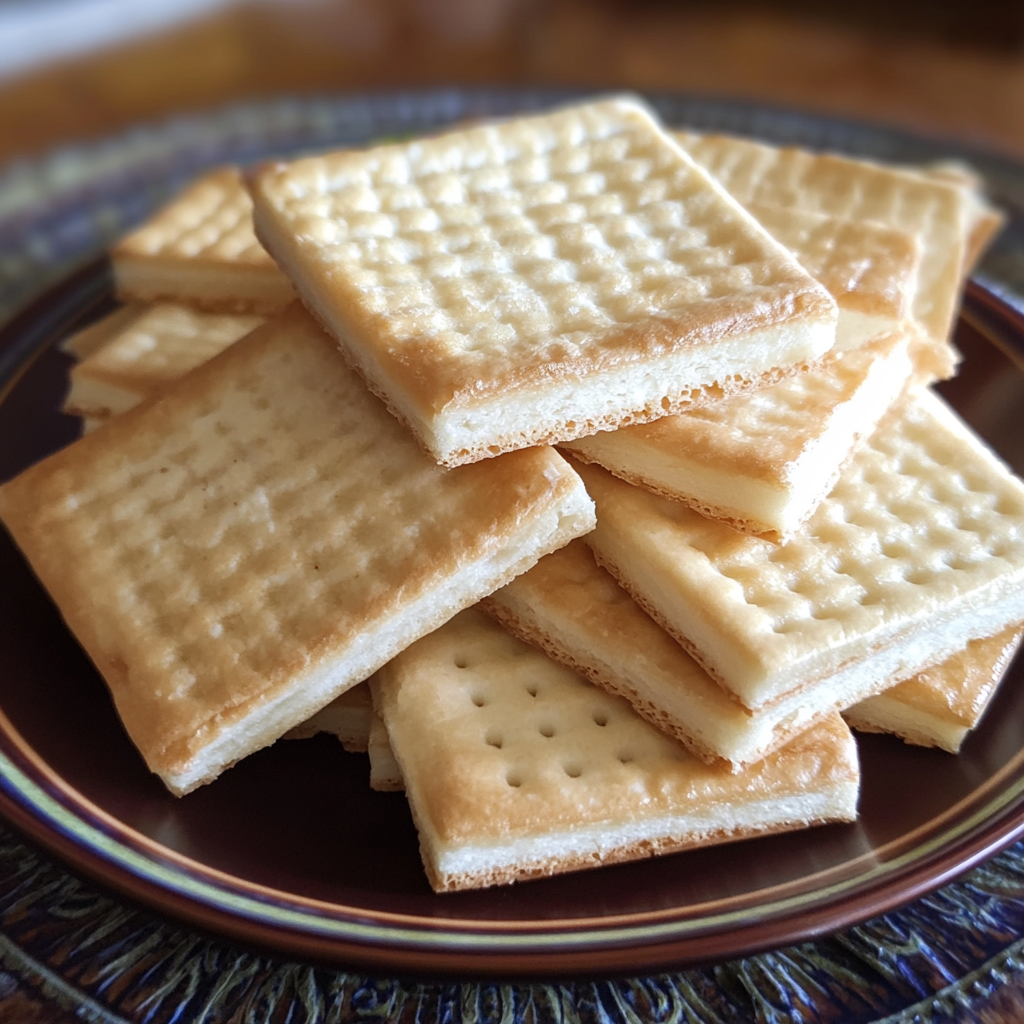
Communion Wafer Recipe: What Different Churches Use
Churches don’t all use the same bread, and some have firm rules about it. A short, general overview:
| Tradition | Bread commonly used |
|---|---|
| Roman Catholic | Unleavened bread made only of wheat flour and water, recently made |
| Lutheran, Anglican/Episcopal and many Protestant churches | Often unleavened wafers, though some use ordinary bread |
| Eastern Orthodox | Leavened bread (prosphora) |
| Many evangelical and home churches | Varies: wafers, crackers, or regular bread, chosen by the congregation |
This recipe makes the plain, unleavened wafer used in many Western churches. If your church is Catholic, note that church law (Canon 924 and the 2004 instruction Redemptionis Sacramentum) calls for bread of wheat flour and water only, with nothing added, and altar breads for Mass are normally obtained from approved suppliers. If you’re not sure what’s right for your community, ask your pastor or minister before baking for a service.
Many traditions associate the lack of leaven with the Passover bread of the Last Supper, and some see further symbolism in its simplicity. How those symbols are interpreted differs between churches, so I’ve kept this page to the practical side of baking.
Communion Wafer Recipe Ingredients
- 1 cup all-purpose flour (unbleached preferred)
- ⅓ cup water (filtered or spring water is fine)
- Optional: 1 teaspoon olive oil and a pinch of salt
The oil and salt are optional, and some communities leave them out. The oil makes the dough a little easier to roll, and the salt adds a faint flavor. If your tradition calls for flour and water only, skip both.
How to Make the Wafers
- Prepare. Heat the oven to 350°F (175°C) and line a baking sheet with parchment paper. Make sure your hands, bowl and work surface are clean. Some people like to pray or read Scripture before they begin, and that’s entirely up to you.
- Mix the dough. Stir the flour and water together (with the oil and salt, if using) until a smooth, firm dough forms. Knead for a minute. It should be soft but not sticky. Add a teaspoon of flour or water if needed.
- Roll very thin. On a lightly floured surface, roll the dough to about 1/16 inch (1.5 mm) thick, or as thin as you can without tearing. Thinner wafers are crisper and dissolve more easily. If the dough keeps springing back, cover it for 5 minutes and try again.
- Cut. Use a round cutter of about 1 to 1½ inches, or a knife, to cut small circles or squares. If you like, press a small cross or design into each one with a fork or stamp.
- Bake. Place the wafers on the sheet, prick them lightly with a fork so they stay flat, and bake for 8 to 10 minutes, until they’re dry and just beginning to turn golden at the edges. Don’t let them brown. Wafers should stay pale.
- Cool completely on a rack. They crisp as they cool.
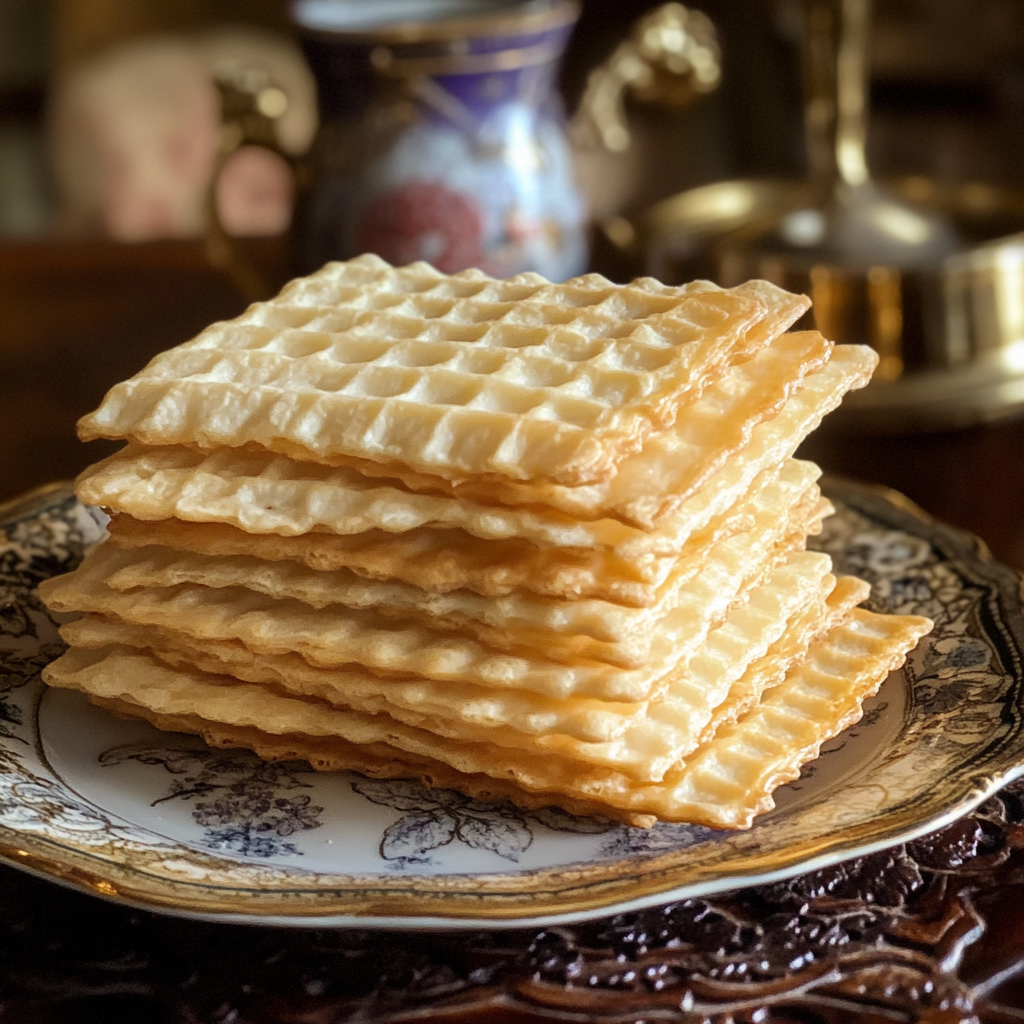
Communion Wafer Recipe Card
Traditional Communion Wafer Recipe
Equipment
- Mixing bowl
- Rolling Pin
- Clean surface or cutting board
- Fork or small cross stamp (optional)
- Round cutter (1–1.5 inch) or knife
- Baking sheet
- Parchment paper
- Airtight container for storage
Ingredients
- 1 cup all-purpose flour unbleached preferred
- 1/3 cup water filtered or spring water recommended
- Optional: 1 teaspoon olive oil
- Optional: Pinch of salt
Instructions
- Prepare: Preheat oven to 350°F (175°C). Line a baking sheet with parchment paper. Prepare your heart and space with prayer or Scripture.
- Mix Dough: In a bowl, combine flour and water (plus oil and salt if using). Mix until a soft, smooth dough forms.
- Roll Out: Roll dough very thin about 1/16 inch thick or less. Dust surface lightly with flour to prevent sticking.
- Cut Wafers: Use a small round cutter or knife to make circles or squares. Optionally, press a small cross or design into each wafer using a fork or stamp.
- Bake: Place wafers on the baking sheet. Bake for 8–10 minutes, or until just beginning to turn golden at the edges. Do not overbake or brown.
- Cool and Store: Let wafers cool completely. Store in an airtight container in a cool, dry place until use.
Notes
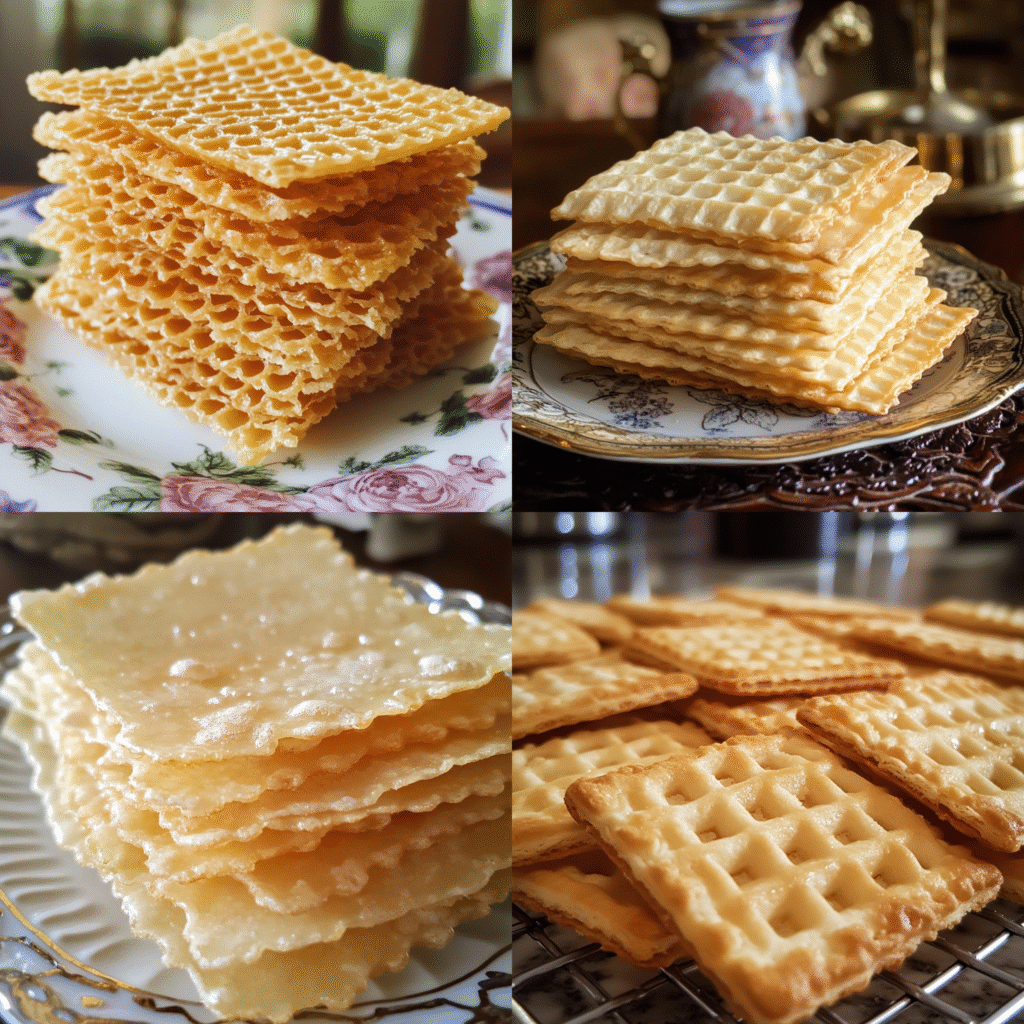
Getting a Thin, Crisp Wafer
They’re chewy, not crisp. Too thick or underbaked. Roll thinner and bake a minute or two longer, without browning. They curl or puff. Prick them with a fork before baking, and bake on parchment. They’re brown or bitter. The oven runs hot, so check at 7 minutes. They crack when cut. The dough is too dry. Knead in a few drops of water. They stick to the counter. Dust with a little flour and lift with a thin spatula.
Commercial altar breads are baked between hot metal plates, which gives a very thin, even wafer. A home oven will be a little rougher, which is fine. A pasta roller on its thinnest setting can also make the dough thinner and more even if you have one.
Gluten and Dietary Needs
For someone with celiac disease or gluten intolerance, a gluten-free wafer can be made from a 1:1 gluten-free flour blend or rice flour with a little water, rolled and baked the same way, though the dough is more fragile and may need a little more water. Use separate bowls, boards and cutters to avoid cross-contamination.
Whether a gluten-free wafer is acceptable depends on the church. Many Protestant congregations use them freely. The Catholic Church, however, does not consider fully gluten-free hosts valid for Mass, though it permits low-gluten hosts (made from wheat with most of the gluten removed) with the bishop’s approval. If this matters in your community, speak with your clergy. Another common option in many churches is to offer a small piece of ordinary bread and a gluten-free alternative separately, so everyone can take part.
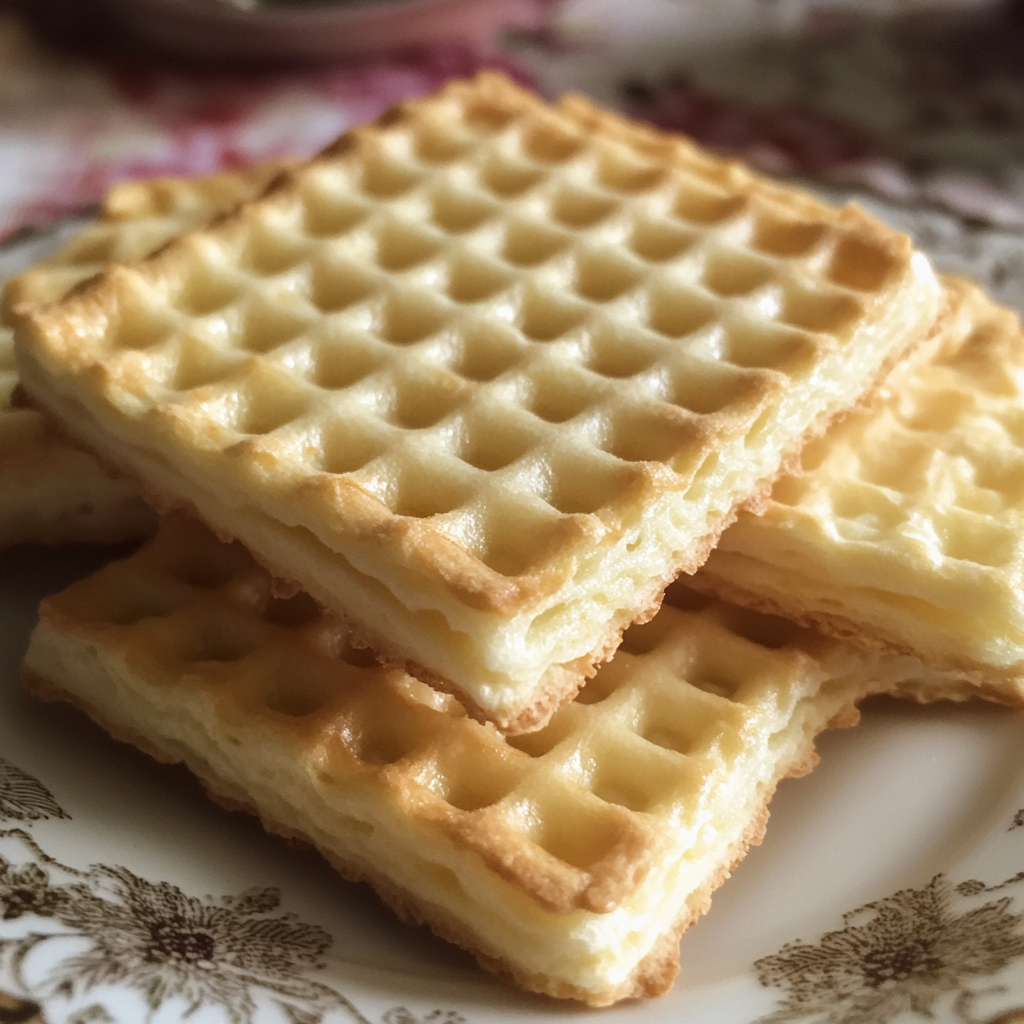
Storing and Handling
Wafers have almost no moisture, so they keep well if they stay dry. Make sure they’re completely cool, then store them in an airtight container in a cool, dry place for up to a few weeks. Humidity is the enemy: if they soften, re-crisp them in a 250°F oven for a few minutes, and if you ever see mold, throw them out. For longer storage, freeze them in a sealed bag for a few months and thaw before use. Handle them with clean hands or tongs, and bake only what you expect to need.
What to do with leftover blessed bread varies a great deal between traditions, from consuming it to reserving it in a special place, so ask your pastor or minister rather than guessing. Unblessed leftover wafers are just bread, and they keep like any other cracker.
The recipe card lists about 10 calories per wafer. They contain wheat (and oil, if you add it). If you enjoy simple baking, other plain breads on this site include Bolo do Caco and Belizean johnny cakes, though they’re leavened and not suitable for communion in traditions that require unleavened bread.
Questions About This Communion Wafer Recipe
Are communion wafers made only from flour and water? In many traditions, yes. Some home recipes add a little oil or salt, but churches with strict rules, such as the Catholic Church, require flour and water only.
Can I use whole wheat flour? Yes, if your tradition allows it. The wafer will be darker, denser and a little harder to roll thin.
Should wafers have flavor? They’re traditionally plain, without sugar, spices or flavorings.
Can I use these for a Catholic Mass? Altar breads for Mass are normally obtained from approved sources, so check with your priest first.
How thin should the dough be? About 1/16 inch (1.5 mm) or thinner.
If your church or family has its own way of making communion bread, I’d be glad to hear about it in the comments. Experience from people who bake for their congregations helps other readers more than any recipe.
Related reading: Unleavened Bread for Communion on Allrecipes