
This prune mui recipe turns ordinary dried plums into a salty, sweet and sour snack with a hint of five-spice and licorice. You rehydrate the fruit, toss it with a seasoning mix, let it soak up the flavor, then dry it again until chewy. The work takes about half an hour, but the drying takes most of a day in a dehydrator, so plan ahead. It’s a candy-like snack with a strong flavor, and a few pieces go a long way.
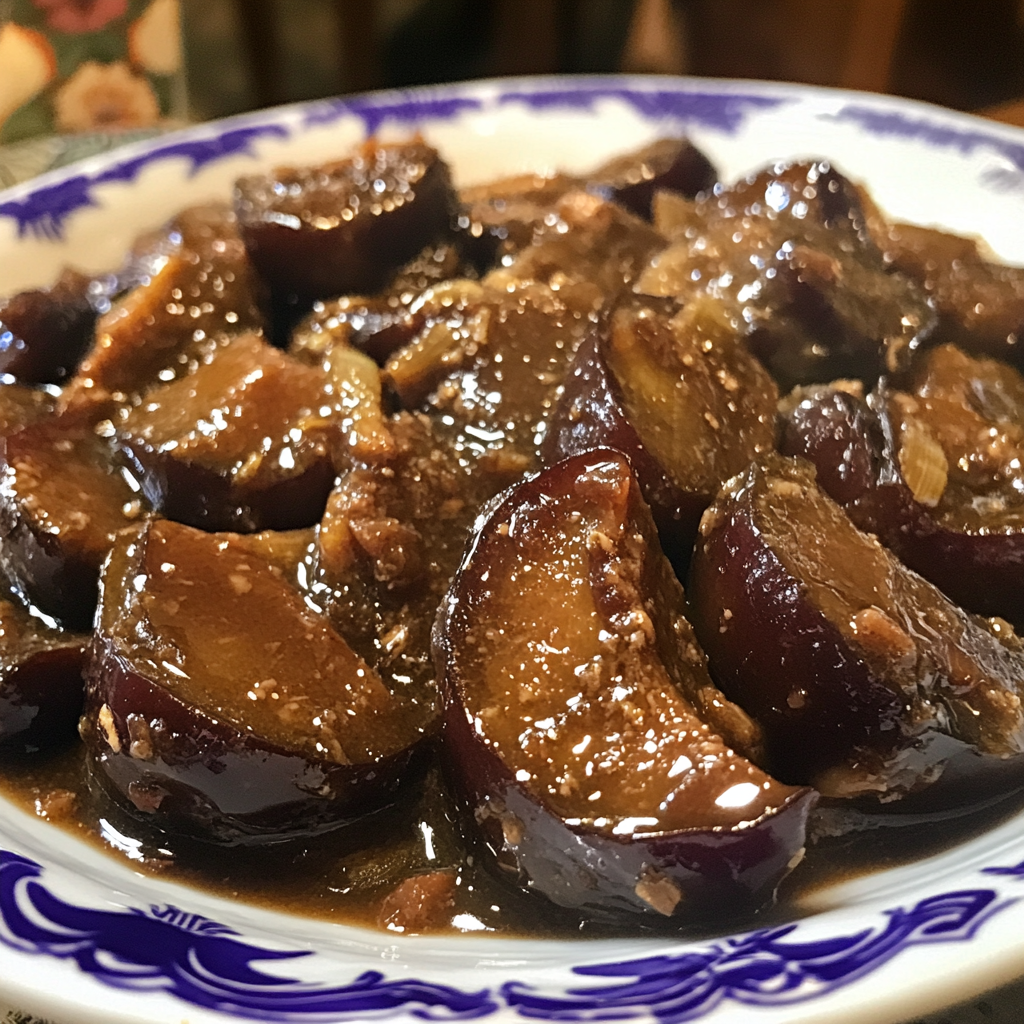
Prune Mui Recipe: What You’re Making and What It’s Called
“Prune mui” doesn’t have one fixed definition, so here’s how it relates to snacks you may know:
| Name | What it is |
|---|---|
| Hua mei (話梅) | A Chinese snack of dried plums seasoned with salt, sugar and licorice |
| Li hing mui | The Hawaiian crack-seed version, flavored with a salty-sweet-sour “li hing” powder |
| This recipe | A home version that starts from store-bought dried plums (prunes) and seasons them with salt, sugar, five-spice and optional licorice |
The traditional versions are made by pickling and drying fresh plums over a long period. This shortcut starts from dried plums, so the texture and flavor are close but not identical to the shop-bought snack, and you shouldn’t expect a perfect copy.
Prune Mui Recipe Ingredients
- 10 to 12 dried plums (prunes), pitted or unpitted
- 2 tablespoons salt
- 2 tablespoons sugar (white or brown)
- 1 teaspoon Chinese five-spice powder
- 1 to 2 teaspoons licorice root powder (optional)
- 1 tablespoon plum powder or li hing powder (optional)
- Warm water for soaking
Li hing powder is sold in Hawaiian, Asian and some online shops, and it’s the easiest way to get the real flavor. The old “prunella” mentioned on some sites is an unrelated herb, not a substitute. The mix is very salty on purpose. If you’re cautious about salt, start with 1 tablespoon and taste before adding more.
Three Flavors to Balance
Salty: the main note, and the one that preserves the fruit. Cut it back if the snack tastes harsh. Sweet: from the sugar and the plums themselves. Add a tablespoon more for a candy-like result, or a little less for a savory tang. Sour: prunes aren’t very tart, so the sourness is mostly an illusion created by the salt and the licorice powder. A squeeze of lime or a pinch of citric acid in the mix makes it noticeably tangier. Taste a small piece after it’s been marinated, and adjust the next batch.
How to Make It
- Rehydrate. Soak the plums in warm water for 1 to 2 hours until plump. Drain, and pat dry with a kitchen towel.
- Mix the seasoning. In a bowl, combine the salt, sugar, five-spice, licorice powder and plum powder, and stir until even.
- Marinate. Add the plums and toss gently until each is well coated. Cover and leave for 2 to 3 hours, or longer for a stronger flavor.
- Dry. See the options below. The plums are done when they feel dry on the outside and chewy, but not sticky, in the middle.
- Cool and store. Let them cool completely before packing them in a jar.
How to Dry Them (and Which Method to Pick)
| Method | Time | Notes |
|---|---|---|
| Dehydrator at 135°F (57°C) | 6 to 8 hours | The most reliable; stays clean and even |
| Oven at its lowest setting | 4 to 6 hours | Prop the door open slightly; check often |
| Air drying | Several days | Only in hot, dry weather; see the warning below |
A caution about air drying. Rehydrated fruit coated in a sugary mix can grow mold if it dries slowly in humid air. Unless you live somewhere hot and dry, use the dehydrator or oven. If you see fuzzy spots or smell anything sour or off, throw the batch away.
Prune Mui Recipe Card
Prune Mui (Chinese Preserved Plums)
Equipment
- Large mixing bowl
- Airtight container or jar
- Dehydrator or food dryer (optional)
- Clean kitchen towel or drying rack (for air drying)
Ingredients
- 10-12 dried plums prunes
- 2 tablespoons salt
- 2 tablespoons sugar white or brown
- 1 teaspoon Chinese five-spice powder
- 1-2 teaspoons licorice root powder optional
- 1 tablespoon plum powder or prunella (optional)
- Water for soaking the plums
Instructions
- Rehydrate the Plums: Soak the dried plums in warm water for about 1-2 hours to soften them. Drain the water and gently pat the plums dry with a kitchen towel.
- Prepare the Spice Mixture: In a mixing bowl, combine the salt, sugar, Chinese five-spice powder, licorice root powder, and plum powder (if using). Stir well to make sure the spices are evenly mixed.
- Marinate the Plums: Add the rehydrated plums to the spice mixture and toss them gently to coat each plum evenly. Let the plums marinate in the spice mixture for about 2-3 hours or longer for a stronger flavor.
- Dry the Plums: Option 1: Air Drying – Lay the marinated plums out on a clean drying rack or kitchen towel in a well-ventilated area for several days, flipping them occasionally until fully dried.
- Option 2: Dehydrator/Oven – Place the plums on a dehydrator tray or baking sheet and dry them in a dehydrator at a low temperature (around 135°F/57°C) for 6-8 hours or in the oven at the lowest possible temperature for about 4-6 hours.
- Cool and Store: Once the plums are fully dried and chewy, allow them to cool completely. Store them in an airtight container or jar in a cool, dry place.
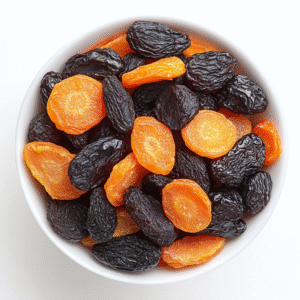
Notes
What to Do With Them
Eat them as is, as a few chewy pieces with a cup of tea. Chop them into trail mix, drop one into a glass of lemonade, or simmer one in a pot of tea for a salty-sweet twist. A Hawaiian-style trick is to dust li hing powder on fresh fruit such as pineapple, mango or apple slices, or to rim a glass with it, like the one in the Mai Tai mocktail. A pinch in a pitcher of sugar-free lemonade adds a salty-sweet depth. Cut up pieces can also go into a marinade or glaze for pork or chicken, where they work a bit like a salty-sweet plum sauce.
Mistakes to Avoid
Plums too wet when seasoning. Pat them dry, or the coating turns into a salty slurry. Over-marinating. More than a day can make them intensely salty. Drying too fast. High heat hardens the outside while the inside stays soft. Keep the temperature low. Drying too little. Plums that stay sticky and soft won’t keep. Too much licorice. It can overpower everything else, so start with a teaspoon.
Storage, Salt and Licorice: An Honest Note
Store fully dried plums in an airtight jar in a cool, dry place for a few weeks, or in the refrigerator for longer. If they feel damp or sticky, refrigerate them and eat them sooner.
This is a salty, sugary snack, so it’s best in small amounts. The recipe card lists about 40 calories per serving, which is a plausible figure for one plum. The sodium is high, which matters for anyone watching blood pressure. And licorice root, eaten in large amounts, can raise blood pressure and isn’t recommended during pregnancy, so skip it if either applies to you. Dried plums do contain fiber and potassium, but this is a treat, not a health food, and the traditional beliefs about preserved plums being “detoxifying” or “stress-relieving” aren’t supported by good evidence.
Questions About This Prune Mui Recipe
Is this the same as store-bought li hing mui? Close in flavor, but not identical. The commercial version starts from fresh plums that are brined and dried over a long time.
Can I skip the drying step? You can eat the plums after marinating, but they’ll be soft, wet and won’t keep. Refrigerate them and eat them within a few days.
Where do I find licorice and plum powder? Asian and Hawaiian groceries, Chinese herbal shops, or online.
Can I use fresh plums? That’s a different, longer process involving brining and sun drying. This recipe is designed for dried plums.
If you grew up eating these, or have a family way of making them, tell me about it in the comments. Your version helps other readers more than anything on this page.